
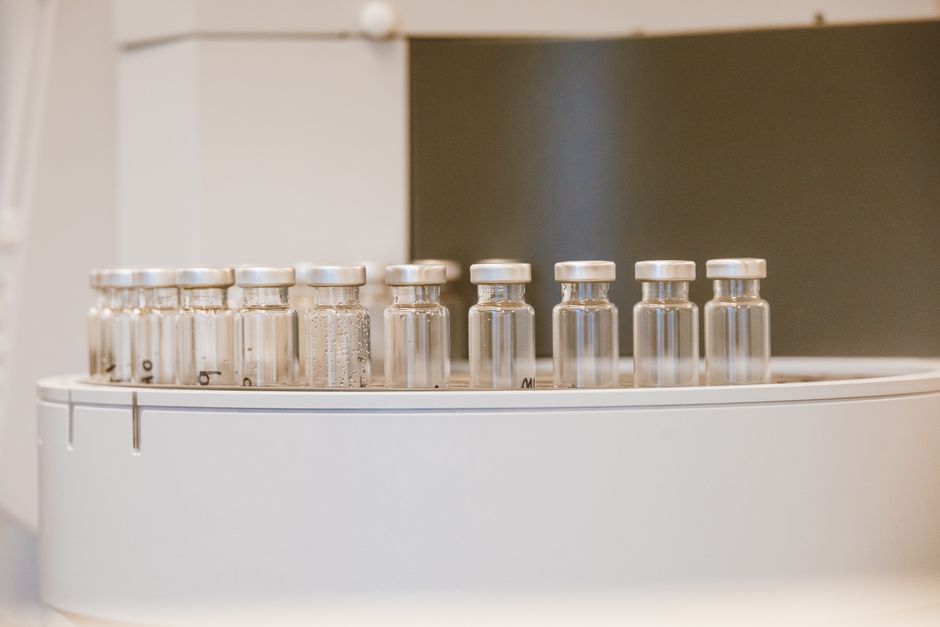
A glowing dial and a seller’s label—'tritium'—don't close the case.
A listing shows a bright watch photo and the seller insists it’s tritium. That single claim matters: genuine tritium can raise a watch’s value, change safety perceptions, and affect collectibility. Many sellers misuse the term for painted lume to justify higher prices.
Simple home checks usually settle the question. Expect tests that look for self-sustained glow without charging, tiny sealed glass tubes (GTLS) instead of brush strokes, and consistent, tube-shaped illumination. These checks require only a dark room, a loupe or strong magnifier, and a few minutes—no lab equipment or radiation meter needed.
- Tritium’s half-life is about 12.3 years—true glow fades predictably over decades.
- Gaseous tritium light sources (GTLS) are sealed glass tubes, not painted dots.
What actually makes tritium different
The essential distinction is the energy source. A sealed tritium vial contains tritium gas; beta particles from radioactive decay continuously excite a phosphor lining, producing a steady glow that does not depend on prior exposure to light. Painted, photoluminescent lume contains pigments that store visible or ultraviolet light and then re-emit it — the glow appears only after charging and fades as the stored energy dissipates (for background, see how lume works).
That contrast — continuous radioluminescence versus charge-dependent phosphorescence — makes a few simple home checks effective:
- Dark-room/no-charge: leave the item in a dark drawer for several hours. Visible glow without recent light strongly suggests tritium.
- Light-charge test: shine a bright flashlight or sunlight for a minute, then go dark. Painted lume brightens noticeably then fades over minutes to hours; tritium shows no charge-and-fade behavior.
- UV/blacklight: photoluminescent paint often fluoresces under UV; tritium typically shows little change.
Because tritium’s output is essentially steady on human timescales (it only dims slowly over years), these behavioral differences are reliable, low-effort indicators.
If it glows without being charged, it’s probably tritium. If it needs a light charge to glow, it’s painted lume.
Ordered tests and minimum tools
-
Tools and setup
A dark room, a bright white light or UV torch, a loupe or macro lens, and a camera are required. Work with the watch at eye level and avoid direct sunlight before testing.
-
Daylight visual inspection
Examine the dial and hands in good light to spot brush strokes, uneven edges, or tiny glass vials. Painted lume often shows texture or pooling; tritium vials look like tiny uniform tubes or sealed dots.
-
Macro/loupe check
Use a loupe or macro photo to confirm seams, glass ends, or backing differences that indicate a vial. This step reduces misidentifying painted texture as tritium in later dark tests.
-
Dark-room baseline
Let eyes adapt and observe glow for several minutes. Tritium emits a steady, low-level glow; charged paint is brightest immediately and decays noticeably within seconds to minutes.
-
Charge test with bright/UV light and camera
Shine a UV or bright torch for ~10 seconds, then compare pre- and post-charge brightness. Painted lume will jump in intensity and then fade on camera; tritium shows little or no change.
Run the visual and macro checks before dark and charge tests to avoid mistaking temporarily charged paint for continuous tritium glow.
Dark-room observation
Prepare a truly dark room: close blinds, cover gaps with towels, switch off LEDs and appliance lights, and mute phone screens. Allow the eyes to adapt for about 30–60 seconds before judging brightness; stray light ruins the comparison.
If painted lume is suspected, charge it first with a bright lamp or sunlight for 10–30 seconds. Tritium vials do not need charging.
Observe the item immediately after lights-out and note three things:
- Brightness change in the first minute: painted lume typically appears much brighter immediately after charging and then drops noticeably. Tritium will show a steady, low-level glow with no quick spike.
- Decay over time: watch at ~1 minute, ~5 minutes, and ~15–30 minutes. Painted lume often fades substantially across these checkpoints; tritium remains roughly constant.
- Uniformity and edges: painted lume can look patchy or feathered; tritium vials are small, sharply bounded tubes with even internal brightness.
Make notes or take time-stamped photos (use long exposure on a camera if available) to capture changes. These simple timed observations provide a fast, reliable first read.
Do not pry or break vials. Tritium tubes are sealed and contain gas; damaged tubes should be handled with gloves and disposed of according to local regulations.
Charge-and-compare test
Step-by-step: charge and compare
- In a lit area, expose the suspected element to a bright white LED for 30–60 seconds. Photograph immediately (see camera tips).
- Repeat with a UV/blacklight for 5–10 seconds and photograph in the same framing and settings.
- Move straight into complete darkness. Observe and compare the two charges immediately (within 2–3 seconds), then at 1, 5, and 15 minutes.
What to expect:
- Tritium vial: little or no immediate brightness change between white and UV charging; glow level stays steady and decays only over years.
- Painted lume: brightens noticeably after charging, especially with UV; initial brightness drops substantially over minutes.
Camera/photo tips
- Use the same focus, framing, and exposure for before/after shots. Lock exposure (manual or exposure lock) to compare light levels.
- A tripod and 1–5 second exposures capture faint painted lume; reduce exposure if the scene clips with painted lume after heavy UV.
- Shoot RAW if available to compare subtle differences in tonality.
Why this works
The test exploits a fundamental difference: tritium emits continuously from decay and won’t ‘‘charge,’’ while painted lume stores incident light and shows a rapid, charge-dependent boost and decay.
Lock camera settings and use a tripod; changing exposure or angle can mimic a change in brightness and lead to a false conclusion.
Magnified inspection: vials versus painted lume
Use a loupe or phone macro to inspect surfaces closely. Sealed tritium vials are tiny glass tubes or beads; painted lume is a pigmented coating on a flat or slightly contoured surface.
What to look for
- Sealed glass vials: cylindrical or rounded shape, smooth continuous curvature, tiny glass seams or a faint mold line, bright pinpoint reflections, and sometimes tiny trapped air bubbles near an endcap. Endcaps are often slightly domed or show a circular termination.
- Painted lume: flat or slightly uneven texture, visible brush strokes, pooling at edges, grainy or chalky surface, and possible overspray on adjacent parts. Edges of painted markers often show irregular borders rather than a crisp glass rim.
Phone-macro techniques
- Use the phone’s macro mode or a clip-on macro lens and steady the phone on a surface or tape. Tap to lock focus, increase exposure, and take multiple angles.
- Shine a bright light at a low angle to reveal surface relief (brush strokes, seams). Rotate the part while photographing to catch reflections that betray curvature or glass.
- Crop and inspect photos at 100% rather than relying on digital zoom; compare suspected spots side-by-side.
Small details seen under magnification usually make identification obvious.
A clip-on macro lens (5–20×) for a phone plus a steady surface often matches a cheap 10× loupe for these checks.
Common complications and when to escalate
What if tritium looks very dim or weak?
Tritium output falls with age; decades-old vials often glow faintly but steadily. If brightness holds constant through the timed observation steps, weak tritium is likelier than painted lume—document the behaviour and consider professional confirmation for valuable pieces.
Why can painted lume briefly mimic a steady glow?
Modern photoluminescent pigments can glow strongly right after charging and appear steady in very low light. The key difference is fade: painted lume drops noticeably over minutes to hours and shows brush strokes or texture under magnification.
When should radium or other hazardous lume be suspected?
Suspect older radioactive paint if the material flakes, has a chalky texture, yellowed varnish, or an unusually persistent glow; escalate testing and handling precautions and consult resources on spotting vintage radioactive lume like radium.
When is professional testing warranted?
Seek a lab, certified watchmaker, or radiation survey service for cracked vials, ambiguous home-test results, or high-value transactions. Professional analysis (scintillation counters, gamma spectrometry) settles doubt and documents safety for sale or conservation.
What immediate safety steps are recommended?
Minimise handling, use gloves, isolate the item in a sealed bag or box, and avoid inhaling dust from flaky paint. If radiation is suspected, stop casual inspection and arrange professional assessment promptly.
Quick checklist and verdict
- Essential photos: full item, close-up of luminous area, macro of seam/texture, ruler and timestamp.
- Red flags — stop and get testing: brightness increases after charging, visible brush strokes, loose/repaired vials, or inconsistent glow.
- Pass indicator: steady, low continuous glow with sealed-glass appearance.
Photograph each test and keep timestamped files. A short visual record lets experts verify results later.
Decision rule: steady low glow plus smooth cylindrical vial features → likely tritium. Brightening after white/UV charge, visible brush strokes, or obvious paint texture → painted lume. If uncertain, stop and seek professional testing.
-
Set up & photograph
Photograph whole item, close-up of lume, and a macro of any seam; include ruler and timestamp.
-
Dark-room timing
In total darkness photograph immediately, then at 1, 5, and 15 minutes; record times.
-
Charge and compare
After 30s white-light and 30s UV photos, compare brightness; strong increase indicates painted lume.
-
Macro inspection
Use magnified shots to show seams, reflections, and texture; glass vials look smooth and cylindrical.
-
Decide or escalate
Mark ‘pass’ if steady low glow with vial traits. Mark ‘ask expert’ if brightening, paint texture, or repair signs.
Keep photo filenames and short captions for each image.
Great breakdown on magnified inspection. I used my phone macro lens and noticed seams and tiny reflections that definitely pointed to a sealed vial rather than paint.
One question: under magnification the glow looked very even but slightly dimmer than I expected. Could that be old tritium vs freshly applied paint?
Good observation, David. Evenness with dimmer output can indicate old tritium — its activity drops over years. Also check the charge-and-compare step: if UV/white charging doesn’t boost brightness but the glow is steady, that supports aged tritium. If the brightness increases noticeably after charging, it’s likely painted lume.
I had the same issue — turned out mine was old tritium. The vendor confirmed it was original but aged. Glad I did the magnified + charge tests before buying another watch.
Good guide but surprised there wasn’t more about painted mimics that intentionally age paint to look like tritium. Seems like a growing scam tactic.
Price and safety perception bit rang true. I wouldn’t pay a premium unless I can confirm real tritium — safety aside, it’s just not worth the markup.
Charge-and-compare test saved me. I charged with a UV flashlight and the unknown lume spiked bright then faded in 10 minutes. The article’s timed checks (1-, 5-, 15–30-minute marks) made it clear. Quick tip: use your phone camera exposure lock to get consistent photos for the checklist.
I appreciate the “when to escalate” section. I got an ambiguous result (no obvious seams, slight post-charge brightening). I ended up photographing the process as the checklist suggested and sent it to a local lab for testing — they confirmed painted lume. Worth the small fee for peace of mind.
Thanks for sharing, Sara — exactly the kind of situation where escalation is wise. Your photo documentation likely made the lab’s job easier. We added a note in the checklist about framing and exposure settings for clearer evidence.
Tried the dark-room observation tonight — nailed it. The painted lume I had faded a lot after 5 minutes, so easy to tell. Thanks!
I followed step 3 (set complete darkness) but my apartment has a tiny LED standby on the router that I couldn’t switch off. The vial still looked steady to me. Could that small light mess up the test?