

40mm vs. 42mm on Slim Wrists: Visual Differences and Fit Tradeoffs
A 42mm square watch is not merely “a little” larger than a 40mm one. Its face occupies more of the wrist’s top surface, so the Apple Watch Series 11 42mm…
Discover step-by-step tutorials. Learn the intricacies of watches, from care tips to adjusting settings, and elevate your watch knowledge.
A 42mm square watch is not merely “a little” larger than a 40mm one. Its face occupies more of the wrist’s top surface, so the Apple Watch Series 11 42mm…

Circumference is useful for setting a starting range, but it does not show how much flat—or gently curved—surface a case has to occupy. Two 6.5-inch wrists can have noticeably different…

Factory service is usually the conservative choice while a watch is under the maker’s warranty. A manufacturer or its authorized network can confirm coverage, use the prescribed process, and avoid…

Identify collars (sleeves), split rods, or quick‑release tabs first. Use minimal steady force—gentle taps or a thin pick to free collars; press tabs to release quick‑release. If links are fragile,…
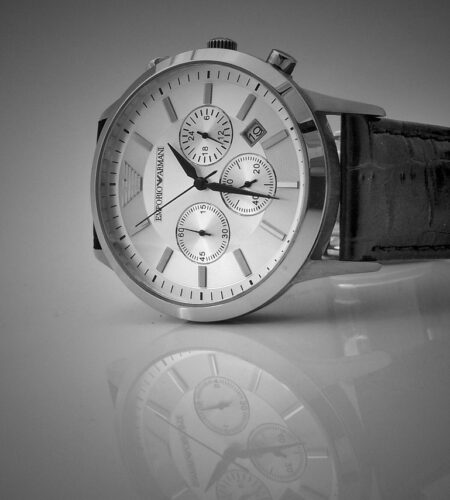
The important dimension is the watch’s total height — crystal, case middle, and caseback combined. That stack determines whether a shirt cuff will glide over the top or sit against…
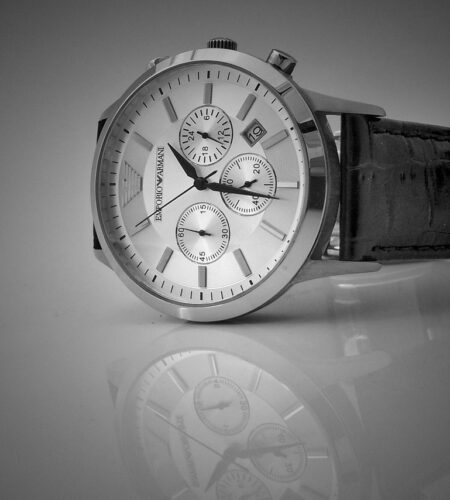
A good-looking watch does little good if the fit causes problems. Fit affects more than appearance: it changes how the watch feels all day, how securely it stays on, and…

The basic rule is simple: choose a strap whose width equals the watch’s inner lug spacing (the distance between the inside faces of the lugs where the spring bar sits)….
Think of watch fit as the result of three linked mechanical factors: wrist shape, lug geometry, and strap/bracelet attachment. Each one pushes or pulls the case into a particular position…
Accurate wrist measurement is a small step with large payoffs. It prevents buying watches that look oversized or tiny on the arm, straps that don’t fit, or cases that feel…
When internal fogging or droplets appear, small, calm actions in the first minutes can reduce corrosion risk. The priority is to remove ongoing exposure and dry external surfaces without driving…
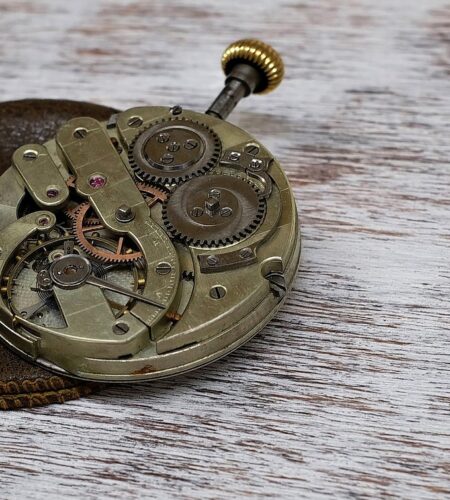
Key factors that change turnaround These specifics give a better basis for realistic ETAs and targeted questions at drop-off.
A watch is gaining time when its hands advance faster than a reliable reference clock, measured as seconds gained per day (s/day) or per month. Small, steady gains are common;…