
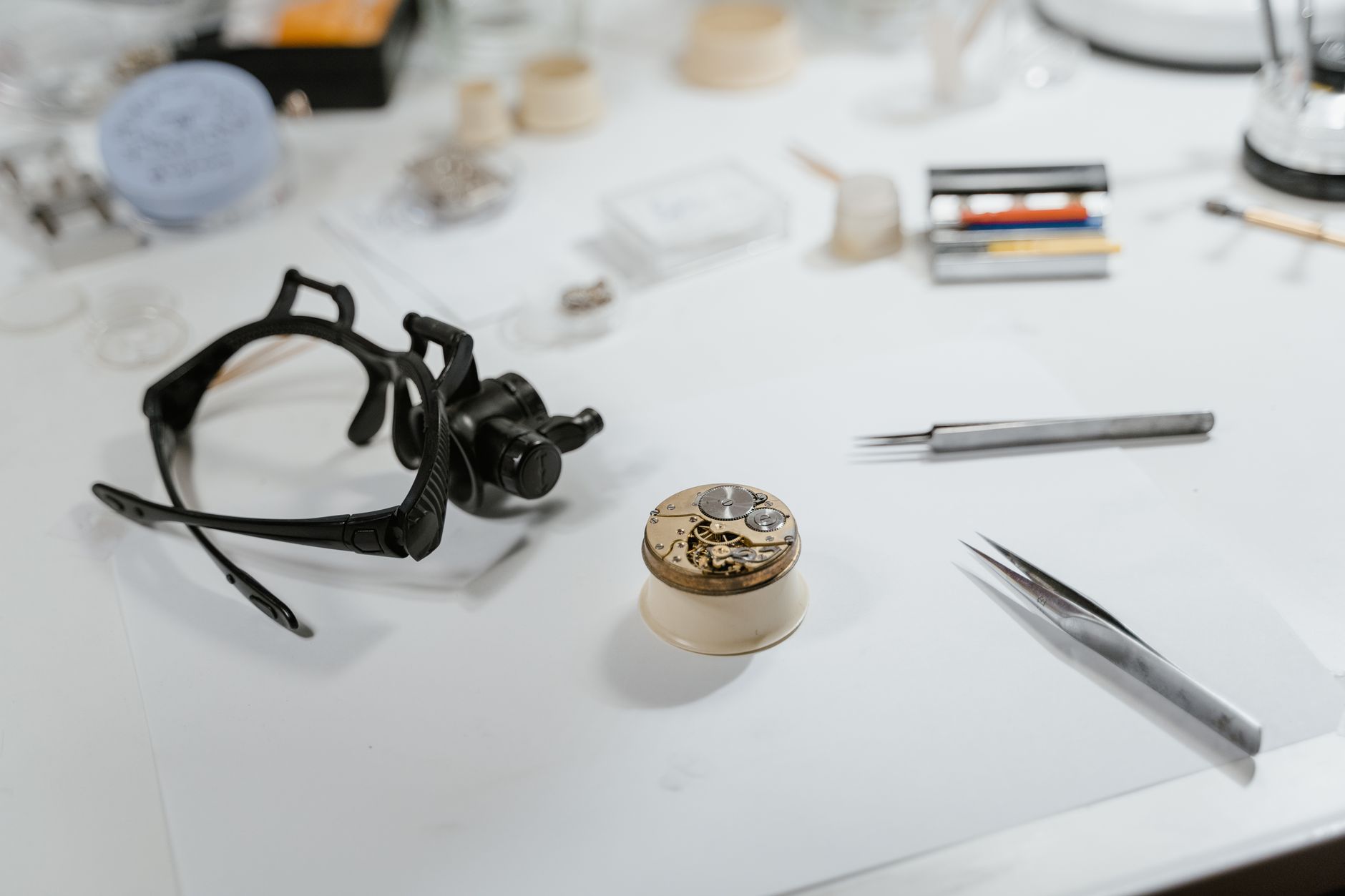
Essential Tools for Watch Mods: What to Buy First Without Overspending
Before adding anything to a cart, write down the next job: the movement, case model, crystal setup, and how far the work will go. A NH35 in a familiar case…
Before adding anything to a cart, write down the next job: the movement, case model, crystal setup, and how far the work will go. A NH35 in a familiar case…

For most beach, pool, and boat days, 316L stainless steel is the sensible place to start. It has strong everyday resistance to corrosion, takes the occasional knock well, and is…

For a budget watch worn most days, choose PVD-coated stainless steel. It is usually the lower-risk finish for a bracelet, clasp, case edges, and other places that constantly meet desks,…

Black coatings need little special treatment, but the wrong shortcut can make damage more obvious. Skip abrasive polishing cloths and metal pastes: they may brighten exposed steel while dulling the…

Legibility for reduced eyesight is about what the eye can quickly perceive in low light, not a manufacturer’s brightness number. Practical readability depends on the visible area of lume, the…
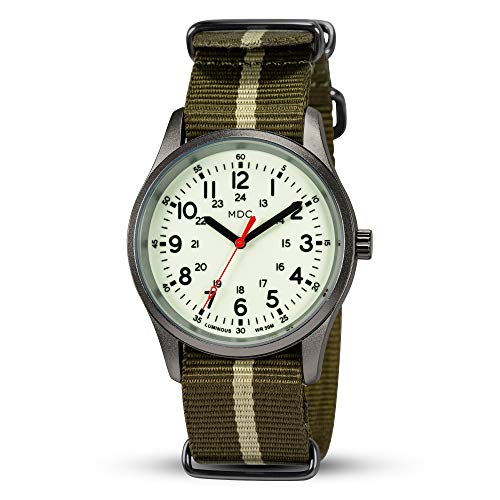
For background on the materials and mechanisms behind lume, see . Start with a consistent test: charge the dial under a 1,000–2,000 lux lamp for 30 seconds, then take a…

Engraving falls into a few distinct methods — each leaves a recognizable finish, performs differently over time, and costs more for different reasons. Below are the common techniques and when…
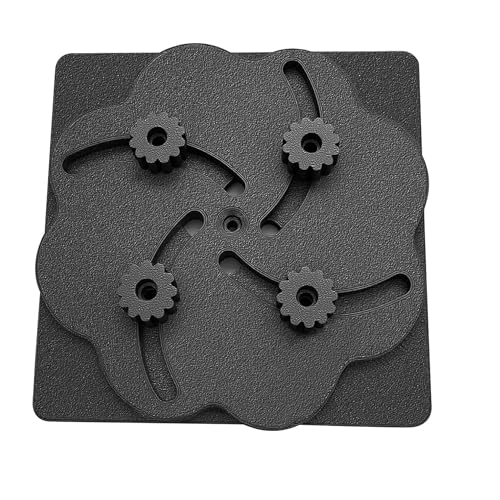
Quick comparison Practical rule of thumb For plated or thin-finish parts, prefer non-abrasive laser settings tuned for surface marking or chemical-safe masking; avoid aggressive rotary or deep CNC cuts unless…

Photograph everything before shipping Pack to immobilize and protect Documentation and insurance for claims Costs and turnaround
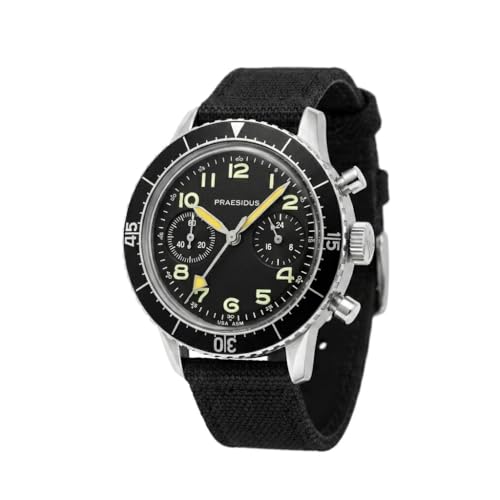
Cockpit vibration is not just louder knocks — it’s a mix of continuous, high‑frequency inputs from engine harmonics, control inputs, prop or rotor pulses and turbulence. Those inputs create thousands…
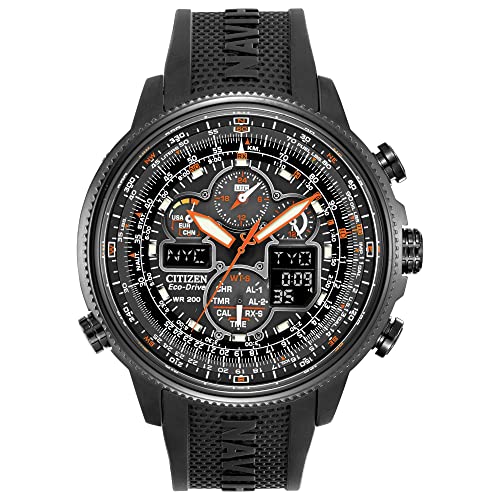
Typical in‑flight tasks A chronograph is pulled out for discrete, repeatable timing tasks rather than broad situational awareness. Frequent uses include: When these tasks occur multiple times per flight or…

Quick upgrades Routine maintenance For step‑by‑step strap guides and deeper coverage of durability upgrades, see the related how‑to articles linked below.