

Torn between a safe Seiko and a flashier microbrand? Choices reveal priorities, not price.
Standing at the display, the familiar Seiko feels like a safe bet — predictable size, easy servicing through brand networks, low drama. The microbrand tempts with bolder dial choices, heftier specs and the satisfaction of wearing something uncommon. The emotional trade-off is clear: anxiety about spare parts and long‑term service versus the thrill of distinct design or higher technical ratings. If ease of ownership matters, Seiko is the safer choice; if personality and specs excite, a microbrand often wins. Ultimately, it’s a priorities decision — not just price.
- Seiko Presage Cocktail Time — dressy, ~50m WR, polished finish.
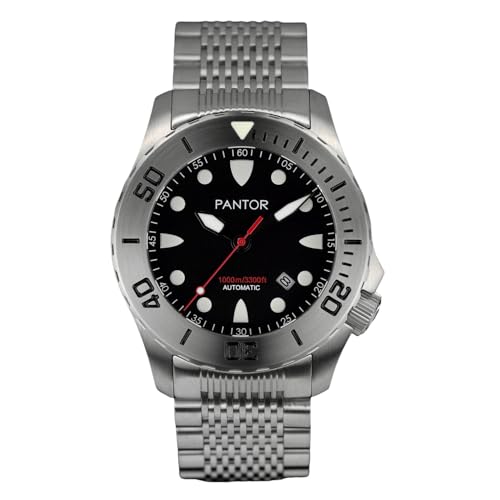
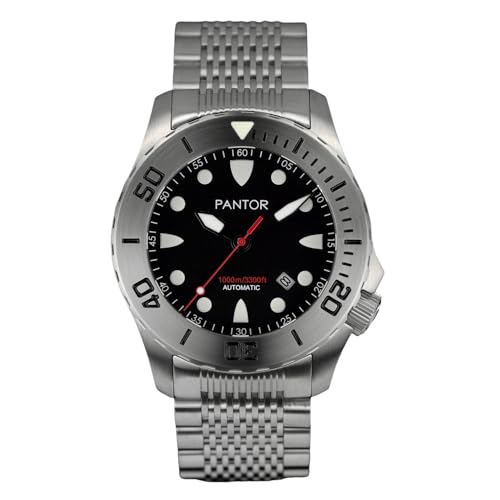
- Pantor Seahorse 1000M — 1000m WR, tool case, high value.

How to Decide: Key Dimensions Compared
The caliber determines accuracy, ease of repair and parts availability; these affect ownership cost and long-term performance. Compare beat rate, jewel layout and known service routes, and consult the movement differences that matter.
Service networks, warranty clarity and replacement-part pricing shape lifetime value. Seiko typically wins on global support; microbrands vary from excellent to sparse.
Microbrands often offer distinctive dials, case shapes, and higher finishing relative to price; Seiko delivers consistent, heritage-driven execution. Choose based on desire for uniqueness versus classic reliability.
Compare tangible specs—sapphire, water resistance, lume, and case steel—against price. Microbrands may push higher specs; Seiko tends toward balanced, proven feature sets.
How the comparison was done
Conclusions draw from short hands-on checks, published specs, repair documentation, owner reports, and independent forum and bench tests. Preference was given to evidence about long-term ownership rather than marketing claims.
-
Sources consulted
Manufacturer specs, official service parts lists, watchmaker forums, owner reviews, and timing logs informed the assessment.
-
Hands-on checks
Brief inspections and timing checks were performed when samples were available; teardown reports and photos were used otherwise.
-
Weighting
Serviceability, parts availability, and likely repair costs carried more weight than headline specs such as depth ratings or movement beat-rate.
Archetypal Seiko Dress Mechanical
Best value Seiko mechanical under $400
The Seiko Presage Cocktail Time is Seiko’s approachable dress-mechanical: a stainless-steel, date-equipped watch built around a cocktail‑inspired dial theme. It fits buyers who want the classic look of a vintage dress watch with a lively, eye-catching dial without stepping into premium price tiers—suitable as a first mechanical dress watch or a polished everyday option.
- Striking dial finishing—pressed pattern and graduated sunburst that reads well in photos and in person
- Proven Seiko automatic (automatic + manual winding; ~41‑hour power reserve) with a long service lineage
- Transparent caseback and traditional dress proportions keep the watch versatile
- Wide dealer and service network makes repairs and parts accessible globally
- Strong value under ~$400 for build and brand recognition
- Modest power reserve (~41 hours) compared with some modern movements
- Movement is reliable but mainstream rather than a high‑spec or boutique caliber
- Date window interrupts the dial’s symmetry for purists
- Water resistance and overall specs are conservative (not a sports watch)
Extreme-spec 1000m microbrand diver
Extreme-depth diver with helium escape valve
Pantor Seahorse 1000M is a value-focused, tool-first dive watch from a small independent brand that prioritizes raw capability over dealer-backed convenience. It dresses up as a serious instrument: a large 45mm stainless case, sapphire crystal, helium escape valve, and an automatic Miyota movement packaged at a street price far below comparable full‑service luxury dive pieces.
This watch suits buyers who want maximum depth rating and mechanical reliability for the money, and who accept DIY service paths, limited dealer support, and a rougher finish in exchange for those specs. For a quick primer on those trade-offs and how microbrands differ from mainstream makers, see the what are microbrand watches.
- True 1000m rating with helium escape valve — built for extreme diving
- Sapphire crystal improves scratch resistance
- Reliable Miyota automatic movement
- Very strong value near ~$700 for the spec set
- Robust 45mm tool‑watch presence and solid case construction
- Finishing lags mainstream rivals — cruder brushing, edges, and dial execution
- Limited dealer/service network; warranty management handled by the brand
- Large 45mm may feel bulky on smaller wrists
- QC can vary more than big‑name manufacturers
|
Top pick
Seiko Presage Cocktail Time: Green Mojito Dial
|
VS |
Value pick
Pantor Seahorse 1000M Dive Watch for Men
|
|---|---|---|
|
Seiko automatic (in-house)
|
Movement |
Miyota automatic (third-party)
|
|
Refined dress finishing
|
Finishing |
Tool-focused, rougher
|
|
Easy global servicing
|
Serviceability |
Limited, owner-sourced
|
|
50 m
|
Water resistance |
1000 m
|
|
Stronger resale
|
Resale |
Lower resale potential
|
| Shop picks | Shop picks |
Fast Answers: Common Concerns
Are microbrand movements lower quality than Seiko's?
Many microbrands use reliable third-party automatics (Miyota, Seiko NH) that perform well out of the box. Regulation and finishing often vary—Seiko models generally receive steadier QC and a longer movement lineage.
How easy are repairs and servicing?
Seiko benefits from a global service network and easier parts sourcing; routine servicing is straightforward. Microbrands typically rely on independent watchmakers; OEM parts and long-term warranty service can be limited.
Do microbrands cut corners to hit spec numbers?
Sometimes. To offer extreme specs (1000m depth, sapphire, helium valves) at a low price, finishing, dial decoration, or aesthetic refinement may be simplified.
What about resale value and authenticity checks?
Seiko generally holds resale better; most microbrands depreciate unless rare or collectible. Research authenticity and brand reputation before buying to verify provenance and likely demand.
Any servicing risks to worry about?
Main risks are water-resistance failure and compromised seals after amateur crown or casework. Use certified pressure testing for dive watches and a qualified watchmaker for movement overhauls every 3–7 years.
Pre-purchase checklist — five quick steps
-
Define the priority
Decide whether reliability/service, unique design, or raw specs matter most; rank those priorities before browsing so choices stay objective.
-
Verify the movement and serviceability
Confirm the calibre (Seiko in-house or Miyota/ETA) and parts availability, ask about recommended service intervals, and note whether local watchmakers commonly service that movement.
-
Inspect finishing and QC
Look for consistent dial finishing, even lume, smooth crown/bezel action, and minimal case tool marks—photos and close-ups reveal a lot for online purchases.
-
Confirm seller, warranty, and return policy
Buy from an authorized dealer or a seller with clear warranty terms and a return window; request serial numbers and recent service receipts when available.
-
Calculate total ownership cost
Add likely servicing, strap/bracelet swaps, and potential shipping/repair costs to the sticker price to compare true value.
Place a freshly wound watch dial-up overnight and compare elapsed time to a phone clock the next day. ±20–30 seconds/day is acceptable for many affordable automatics; worse results warrant a seller disclosure or price reduction.

Recommendation and next steps
- Risk-averse buyers who value service networks and consistent finishing should lean Seiko.
- Spec-forward buyers who accept warranty and support trade-offs will find microbrands more rewarding.
For a low-risk, well-supported everyday mechanical, Seiko is the safer pick; for standout specs or unique designs at a similar price, a vetted microbrand can deliver more excitement. Next steps: run the checklist above, request timing photos, buy from authorized dealers or marketplaces with buyer protection, and read linked resources before committing.
Nice breakdown. For someone who wants a daily beater that’s easy to service, Seiko all the way. The Cocktail Time’s dial is gorgeous and it’s reassuring knowing any watchmaker can handle the movement.