
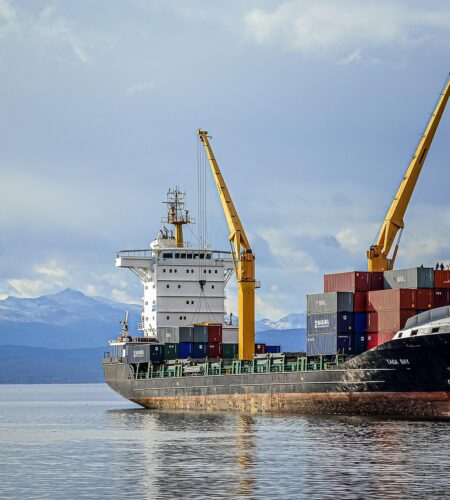
An enticing microbrand dial shouldn't come with hidden headaches.
What if the perfect microbrand watch arrives weeks late, gets stuck in customs, or can’t be returned without paying a small fortune? That excitement quickly turns into stress when shipping rules, import duties and long pre-order windows are unknown.
Practical checks calm the risk: confirm the seller actually ships to the destination country; read the shipping, VAT/duties and returns pages; note stated lead times and backorder policy; look for tracking and preferred couriers; scan forum or comment threads for real delivery experiences; ask the seller about return-label costs before placing the order.
How microbrands handle shipping
Start by understanding what are microbrand watches — that context explains why shipping systems are often informal and varied.
Most microbrands follow a few common patterns:
- Direct shipping from a small workshop or factory; lead times can be unpredictable for low-run models.
- Third‑party fulfillment in a target region to speed delivery and handle returns.
- Pre‑orders / made‑to‑order with explicit wait windows rather than ready stock.
Typical restrictions and terms to expect:
- Destination limits (some countries excluded).
- Customs and duties explicitly billed to the customer; declared value and HS codes may be omitted.
- Insurance/returns caps—limited cover for high‑value items.
Red flags that signal risk:
- Vague or missing shipping and customs policy.
- No tracking or a refusal to declare value and HS codes.
- Unclear return process or only non‑traceable payment methods.
Absent or fuzzy policies increase chances of unexpected taxes, long delays, or limited recourse if a shipment is lost.
Incoterms and who pays customs
-
Scan for an incoterm code
Look for DDP, DAP, DDU, EXW, FOB. DDP (Delivered Duty Paid) means the seller covers duties; DAP/EXW usually shifts costs to the buyer.
-
Read the 'duties and taxes' clause
If the policy explicitly says duties included or sellers pay import taxes, that confirms DDP-style handling. If it names the buyer as responsible, expect extra charges on delivery.
-
Check shipment origin and carrier notes
Origin affects which customs rules apply. Carriers or couriers often add handling fees; look for named couriers and any brokerage fee warnings.
-
Search for VAT/GST and clearance fees
Some sellers prepay VAT but not clearance or brokerage fees. A clear list of what’s covered avoids surprises.
-
Confirm how delays and returns are handled
Policies that cover customs delays, reshipment, or returns at seller expense signal better after-sales support; buyer-responsible return customs is a red flag.
If no clear language appears, assume buyer pays duties and ask the seller for written confirmation before purchasing.
Estimate landed cost step-by-step
-
Verify the declared value
Check the commercial invoice or seller’s declared customs value — this is the starting point for all duties and VAT. Confirm whether the seller declared the transaction price, a discounted amount, or a different value that might trigger enquiries.
-
Find VAT and duty rates
Use the product HS (tariff) code to look up duty rates on the destination country’s customs website or a reputable duty calculator. Remember VAT/import tax usually applies to (item value + duty + shipping), and some products have special rates or exemptions.
-
Include shipping and insurance
Add the actual shipping fee and any insurance cost; carriers often include shipping in the VAT base. If the seller prepaid freight, confirm whether that amount is already in the declared value or must be added separately.
-
Add handling and brokerage charges
Account for carrier clearance fees, customs broker charges, and remote-area or delivery surcharges — these are often flat fees or small percentages. When the payment party is unclear, budget a conservative fee to avoid surprises.
-
Prepare documents that speed clearance
Ensure a clear commercial invoice with HS codes, full product descriptions, origin, and importer ID (EORI or local equivalent) is attached and sent electronically to the carrier. Include permits, proof of payment, and a contact phone number to reduce hold-ups.
Quick formula: Landed cost = item value + duty + VAT + shipping + brokerage/handling. Add a contingency buffer (10–30% depending on destination and uncertainty).
Map delays and follow a clear escalation path
Common delay windows
- Production (microbrand workshops): 2–12+ weeks. Small runs, component shortages, or hand-finishing commonly add weeks.
- International carriers (air/express): 2–21 days. Faster services usually arrive within a week; economy routes take longer and have less visibility.
- Customs / import checks: 3–21+ days. Random inspections or missing paperwork can add unpredictable hold times.
- Local postal service: 2–14 days after international handoff. Smaller posts often move slower and batch deliveries.
- Exception / lost status: If tracking shows ‘exception’ or no scan for several days, treat as delayed and investigate immediately.
Action sequence when a package stalls
- Check tracking details, shipping method, and the invoice’s incoterm. Confirm whether duties were prepaid or payable on arrival.
- Ask the seller for: current production status (if pre-order), the final tracking number, and a copy of the commercial invoice or airway bill.
- Contact the carrier with the tracking number and reference the last scanned event; request an update or investigation number.
- If customs holds the parcel, request the customs reference and any fee invoices; arrange payment or ask the seller for missing documents.
- Wait for carrier investigation results; if no progress after a reasonable window, request the seller open a lost-package claim.
For timelines on pre-order behavior and expected shipping cadence, consult the brand’s pre-order shipping expectations.
File a claim with the carrier after the carrier’s investigation closes without resolution or after transit exceeds the service’s published maximum (commonly ~14 days domestic, ~30–45 days international). If the seller is unresponsive, open a payment dispute with the payment provider and keep all correspondence and tracking evidence.
Cross‑border returns, warranties and customs
Who usually pays return shipping and import duties?
Responsibility depends on the seller’s policy and chosen Incoterm. Many microbrands expect the buyer to cover outbound shipping and import duties unless a defect is confirmed; some provide prepaid labels or reimburse duties for warranty cases. Always confirm before shipping.
How are international warranties typically handled?
Warranties are often limited by geography: the brand may offer global warranty for manufacturing defects but require shipping to a designated service center. Proof of purchase and clear defect photos shorten approval; expect the brand to set whether repair, replacement, or refund applies.
How to minimize customs costs when returning for repair?
Request an RMA (Return Merchandise Authorization) and ask the seller to issue a commercial invoice marked ‘Returned for repair — not for resale’ with an RMA reference. Sellers can sometimes ship a customs document or prepaid label that notes repair status, which helps customs accept a duty-free reimport when applicable.
What speeds up repairs and avoids unnecessary delays?
Provide detailed fault photos, serial numbers, and the RMA immediately; use tracked courier and keep shipment references in all messages. If a local service center exists, route the item there to avoid cross‑border paperwork and long transit times.
What practical checks before buying reduce future headaches?
Ask whether returns, repairs, and any customs on returns are covered and who pays; verify local service options and typical turnaround times. Also consult the customs and warranty returns checklist before committing to a purchase.
Checklist for low‑risk international microbrand purchases
-
Shipping & tracking
Seller provides a tracked courier option, clear transit windows, and shipment notifications. Low-cost untracked mail increases loss and delay risk.
Look fortracked door-to-door with ETAAvoideconomy mail or no tracking -
Clear incoterms and duties
Invoice and checkout state who pays duties/VAT and include harmonized codes. Ambiguity usually becomes an extra cost and delay.
Look forDDP or explicit duty termsAvoidunspecified duties or seller silence -
Returns, warranty and escalation
Seller documents return address, warranty period, and an escalation contact. Cheap returns or no-scope warranties are costly if repair needed.
Look forwritten return policy and local contactAvoidverbal promises or no returns -
Serviceability & spare parts
Brand lists parts, service centers, or third‑party repair options; lead times and prices should be stated. Hard-to-source parts turn small fixes into keepsakes.
Look forparts list or service networkAvoidno parts info or single-source repair
Spare parts & service: ask for part numbers, average shipment time, and repair partners before buying. Keep a photo of serial and movement history. If long‑term ownership matters, consult resources on getting spare parts across borders for practical shipping and customs tips.
Decision checklist
Treat cross‑border microbrand purchases as a binary decision: enough clarity equals proceed, uncertainty equals pause.
Verify shipping incoterm—who is contractually responsible (DAP vs DDP). Estimate duties, VAT and fees; build a 10% contingency. Confirm tracking and that invoices/HS codes accompany the shipment. Get delivery windows and escalation steps in writing from the seller. Walk away if shipping, returns, or customs policies remain unclear.See related guides below for marketplace and importing details.

Heads up: I ordered spare parts from a microbrand and the checklist’s spare-parts note was spot-on. The brand didn’t stock my part and returns would have been a nightmare (customs + restocking).
I ended up buying from a local aftermarket supplier instead. If serviceability matters, ask for part numbers and expected lead times before buying the whole item.
I followed the ‘map delays and escalation path’ section for a parcel that got stuck in customs for 12 days. The step-by-step escalation checklist helped me push it through (asked the seller for commercial invoice copy, then my courier rep escalated). Worked like a charm, thanks!
Great to hear that worked, Mike. For others: if customs holds a package, asking the seller for a detailed commercial invoice and HS code early usually speeds up verification. Also keep screenshots of order payment to show proof of transaction if needed.
Small rant: some microbrands say “we ship worldwide” but then block certain countries or force you to use their economy shipping that never updates. Article’s ‘common restrictions and red flags’ list saved me from one dud seller though — I now avoid shops that won’t provide HS codes or a clear returns policy.
Also, the contingency buffer tip when estimating landed cost is underrated. I always add 15% now and it’s prevented painful surprises.
Thanks for calling that out, Jenny. Sellers that refuse to share HS codes or hide their returns policy are a red flag for sure. If a microbrand insists on economy shipping with no tracking, treat the purchase as higher risk and consider using a payment method with buyer protection.
Totally agree. I once prepaid with a bank transfer to a tiny shop that then used untrackable mail — lost money and time. Now only use cards or PayPal for international microbrands.
Super helpful checklist — I used the landed cost steps before buying a watch from a small microbrand in Spain and it saved me from a nasty surprise on VAT. Quick tip: check the incoterm on the invoice before you hit pay, DDP vs DDU makes all the difference.
I had trouble with step 3 (estimating duties) — the tariff lookup confused me and the VAT calculator gave very different answers depending on whether I included shipping in the value.
Anyone else see big variance? What do you normally include in the ‘value for customs’?
You should include the goods value + shipping if the country uses CIF for duty calc. I double-check the seller’s declared value and compare it to invoice. If they under-declare, that can cause extra fees later.