
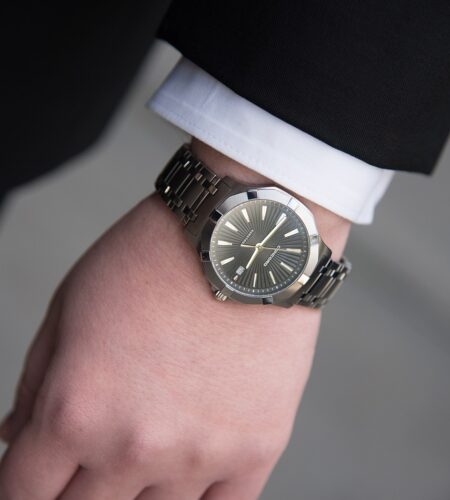
Small brands sparkle online; choosing one can feel like buying a promise.
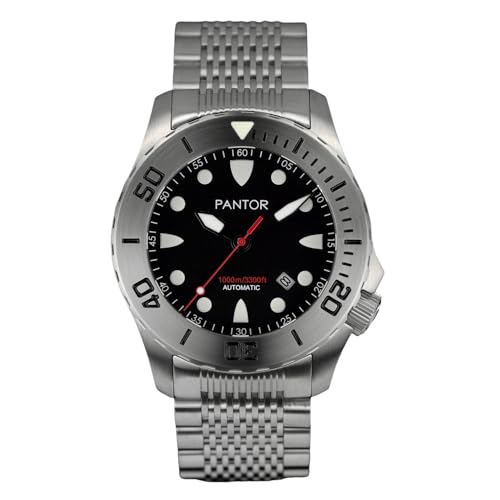
A glossy Kickstarter page shows a handsome diver, factory shots, and enthusiastic forum threads. Collectors feel a quick thrill — original design, friendlier price, and a sense of discovery. That excitement sits next to practical doubts: are the movement and finishing honest, will customer service exist in five years, how reliable is the seller’s warranty, and what happens if repairs are needed?
This section separates marketing from measurable signals: build quality, movement provenance, communication history, warranty terms, and aftermarket support. Those criteria make it possible to judge whether a microbrand’s promise is worth the risk.
What 'microbrand' means in practice
Microbrand refers to a small, independent watchmaker defined by scale more than by a single style or price. Often run by a tiny team (frequently under 20 people) and producing models in low thousands per year, microbrands focus on niche design, tighter runs, and direct customer relationships.
Common supply-chain patterns:
- Outsourced manufacturing: cases, dials, and assembly made by contract factories rather than an owned factory.
- Movement sourcing from third parties (Miyota, Sellita, Seiko/TMI).
- Production often concentrated in Asia or Europe depending on positioning.
Common business models:
- Direct-to-consumer (DTC) online sales and social marketing.
- Crowdfunding or pre-orders to fund runs.
- Limited editions and collaborations.
Being a microbrand is about business scale, not a warranty of superior or inferior quality; research specs, reviews, and service terms.
Why microbrands matter
Emotional and practical benefits
Microbrands matter because they offer something rare in mass markets: originality and a human story behind each piece. Many collectors feel a stronger connection to watches when a design reflects a small team’s taste or a founder’s vision. That emotional link turns watches into personal narratives, not just timekeepers.
- Design variety — microbrands explore bold shapes, colors, and historical reworkings rarely seen from large houses.
- Niche reinterpretations — specialized takes on dive, field, or pilot watches satisfy specific aesthetic or functional preferences.
- Accessible experimentation — lower runs and direct pricing make trying unusual concepts affordable.
- Customization and responsiveness — small teams iterate quickly and often respond to community feedback.
Founder stories add provenance and character: knowing who designed a watch and why makes ownership more meaningful. By testing ideas in small batches, microbrands keep the hobby creative and influence broader trends; following founder interviews and limited drops helps collectors spot fresh designs early.
Movement matters
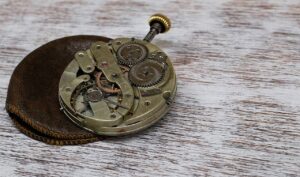
A watch movement determines accuracy, service needs, and long-term value more than the case or dial. Reading a movement listing makes these trade-offs visible: look for the movement name, hacking/hand-wind features, beat rate (bph or Hz), power reserve, and any stated accuracy or regulation.
Common trade-offs
- Japanese (Miyota, Seiko NH/4R/NH35): typically robust and affordable to replace. Many Miyota options prioritize reliability and long power reserve; Seiko NH-series movements are widespread and easy for watchmakers to service.
- Swiss (ETA, Sellita): more expensive but often better for resale and global servicing because parts and trained watchmakers are common. They usually offer refined finishes and stable availability.
- Less-known or in-house calibers: can be cheaper or unique but may complicate repairs and spare-part sourcing.
Practical checklist when evaluating a microbrand listing
- Movement model and manufacturer
- Hacking and hand-winding capability
- Beat rate (21600 vs 28800 bph affects sweep and regulation)
- Power reserve and date complication
- Warranty and service promises from the brand
For a deeper comparison of common calibers, see the deeper comparison of common calibers.
Swiss = serviceability & resale. Japanese = value and robustness. Unknown calibers = check parts availability and brand service policy.
Decoding 'in-house' claims
The term in‑house is often used broadly. For many established makers it means designing and making movement components; for microbrands it can mean anything from a fully proprietary calibre to simply fitting a sourced movement with a custom rotor.
Useful transparency signs: the brand names the movement calibre and its maker; shows photos or factory names; lists which parts are proprietary; publishes service availability and spare‑part policy.
For a deeper technical breakdown, see the detailed explainer on in‑house meaning.
Quick checks:
- Is the calibre named (e.g., Sellita, Miyota, or a proprietary movement)?
- Are clear photos or specs of the movement available?
- Does the brand publish service options and parts availability?
Ask before buying: who made the calibre, which components are proprietary, and how long are spare parts supported?
Quick decision framework
Choose a common, serviceable caliber to keep accuracy predictable and repairs affordable. Popular Miyota, Sellita or Seiko-derived (NH35) movements are easier to service and source parts for.
Inspect case finishing, crystal type, and water-resistance claims; good finishing and a sapphire (or well-treated mineral) crystal indicate attention to detail.
Warranty terms, parts availability and responsive customer contact matter more for small makers. Verify how long spare parts will be available and who services the movement.
Active owner communities and visible secondary-market activity help validate demand and uncover recurring issues. Limited runs can boost appeal but complicate repairs.
Do two quick reality checks before buying.
For a direct comparison with mainstream options, check a side-by-side evaluation like how microbrands stack up against Seiko. If the budget is tight, review curated lists such as automatic microbrands that deliver value under $500 to see proven picks.Ask for movement photos, serial numbers, and warranty terms in writing before completing a purchase.
Common buyer fears — myth vs fact
Delays happen, but reputable microbrands communicate timelines and offer refunds or updates.
Small-scale production and crowdfunding can shift schedules; examine past delivery records and posted terms before paying.
Marketplaces host both counterfeit listings and legitimate dealers; authenticity depends on the seller, not the platform.
Seller ratings, return windows, photos of serials, and transaction protections help separate honest listings from risky ones.
Some microbrands use batch codes, limited-edition markings, or different paperwork systems—absence of a long serial isn’t automatic proof of forgery.
Confirm identification with the maker or compare official photos and included documentation before concluding it’s counterfeit.
Large platforms list both authorized stores and third‑party sellers; platform presence alone doesn’t determine authenticity.
Prefer verified storefronts, check seller history and warranty terms, and use platform dispute protections when available.
After-purchase support: warranties, parts, and servicing
What's a typical microbrand warranty?
Most microbrands provide a 1–2 year limited warranty covering manufacturing defects in the movement, hands, and dial. Straps, normal wear, accidental damage, and water ingress beyond the stated rating are usually excluded; see what warranties usually cover for more.
What do warranties often exclude?
Common exclusions include straps, crystals scratched by impact, case finish wear, unauthorized repairs, and damage from misuse. Always keep the receipt and read the terms for claim procedures.
Will spare parts be available?
Availability varies: common movements, standard crystals, and replacement straps are usually obtainable, whereas proprietary cases or unique dials can be hard to source. Factor parts availability into purchase decisions.
How should servicing be handled?
Plan routine service every 3–7 years; frequent wear or mechanical complications may need earlier attention. Use a watchmaker familiar with the movement and keep service records to maintain value.
Service checklist
Keep receipts and photos of serials for warranty and resale. Confirm the brand’s parts policy and recommended intervals; learn where to find spare parts and service tips. Prefer watches with common calibers for easier, cheaper repairs.International shipping, customs and fulfillment realities
-
Confirm where the watch ships from
Small brands often ship from a founder’s country, a factory partner, or a fulfillment center; origin affects transit time and which customs rules apply.
-
Estimate duties, taxes, and possible delays
Research import duties and VAT for the destination and ask whether the price is DDP or unpaid; see the guide to managing customs and delays for typical timelines.
-
Ask about fulfillment method and carrier
Confirm tracked courier versus economy postal or third‑party logistics—tracked services simplify claims and reduce loss risk.
-
Clarify returns, warranty, and parts logistics
Get written terms on who pays return shipping for defects, the warranty window, and how spare parts or servicing are handled across borders.
-
Use secure payment and document shipment
Pay with buyer protection, retain invoices, require tracking, and photograph packaging on arrival to document condition for any dispute.
If any answer is vague, request a written shipping summary before payment.
When a microbrand is worth the risk
- Best fit: buyers valuing unique design and low entry cost over predictable resale.
- Look for common movements, clear service terms, and an active community.
- Red flags: vague warranties, no parts/service plan, opaque shipping or founders' claims.
Choose a microbrand when the trade-offs match priorities. Microbrands pay off for collectors who want distinctive design and affordable experimentation and who accept modest resale prospects. Before buying, confirm three essentials from the checklist: movement (common, serviceable calibers), service (reasonable warranty and parts access), and transparency/community (open communication, visible owner experiences).
If at least two of those boxes are checked and no major red flags appear (no clear warranty, no parts access, or evasive founder claims), the purchase is a defensible one. When multiple red flags show up, prioritize established makers or pause until evidence of reliability emerges.
Great overview. Quick question: when you say “prefer common calibers for easier repairs,” how common is common? Are Seiko NHs and Miyota 9015 considered safe bets worldwide?
Small, practical gripe: the article suggests preferring common calibers for resale and serviceability, which makes sense, but what about people who buy microbrands purely for design and never plan to resell? Is movement choice still worth over-prioritizing?
If you plan to keep the watch long-term and value the design above all, movement choice can be a secondary criterion — but it’s still worth checking serviceability and a warranty.
Even if you never resell, movements affect accuracy, longevity, and potential servicing costs. So balance: pick a movement that meets your expectations for accuracy and is serviceable reasonably locally, while prioritizing the design elements you fell in love with.
Thanks for the checklist. Two practical bits I’d like more detail on:
1) How long should a microbrand reasonably guarantee parts availability?
2) Any red flags in shipping docs when buying internationally?
Both important points.
1) Parts availability: aim for a written policy. A reasonable expectation is 2–5 years for common consumables (crystal, crown, hands, straps) and longer for cases if feasible. If a brand can’t commit to anything, ask where they source spares and whether they stock extra movements.
2) Shipping red flags: missing detailed HS codes, vague customs descriptions like “accessory” instead of “watches,” or no mention of insurance. Also watch for carriers with poor tracking or excessively long transit estimates. Clear invoices and honest declared values help avoid surprises at customs.
Agree on HS codes — got hit with unexpected VAT once because the seller declared it as “gift”. Never again 😅
I liked the section on ‘in-house’ claims. It’s wild how often ‘in-house’ gets used as marketing fluff.
Still, shouldn’t there be some baseline standard for calling something in-house? Like major components actually made on-site? Otherwise it’s just semantics that confuse buyers.
I’m new to microbrands and the article mentions crowdfunding a few times. If a brand launches on Kickstarter, does that increase the risk of poor after-purchase support? Or is it just a funding model?
Good question — crowdfunding itself is just a funding model, not a direct indicator of quality. It can increase risk if the brand lacks manufacturing or fulfillment experience, or if timelines are optimistic.
Look for transparency in their campaign: suppliers named, sample photos, realistic production timelines, and clear warranty/returns policies. Backer updates during production and prior brand history are also good signals.