
Small checks make a risky Amazon watch purchase manageable.
Spot a 45mm dive watch on Amazon with striking specs and a tempting price — hesitation is normal. The good news: authenticity, warranty and seller reliability can be evaluated quickly.
Start by inspecting the seller line (Amazon, Amazon‑fulfilled, or third‑party). Confirm a stated warranty and reachable manufacturer contact, and scan recent buyer photos and seller replies. Ask for movement type and serial number if not shown. Prefer listings marked Fulfilled by Amazon or sold by the brand; keep order records so Amazon A-to-Z or returns cover the purchase. These steps separate honest microbrands from risky listings with minimal fuss.
- Ask seller for serial number and warranty card photos
- Prefer 'Fulfilled by Amazon' or brand-operated store
- Verify movement (e.g., Miyota 9015) and sapphire crystal
Marketplace realities
A product page on Amazon is only the start — it doesn’t prove authenticity or factory warranty. For background on the category and how small brands operate, see what are microbrand watches.
Typical listing types
- Brand storefronts: Managed by the maker or an authorized dealer. Seller name usually matches the brand and listing often mentions warranty and official support.
- Third‑party sellers: Independent merchants can offer new or used pieces; trust depends on seller rating, return policy, and transparency about origin.
- Fulfilled by Amazon (FBA): Amazon handles storage and shipping, improving logistics and returns but not verifying source.
- Renewed / Amazon Warehouse: Refurbished or open‑box inventory sold at discounts; condition and warranty differ from new items.
Quick checks before buying
- Verify seller name and recent feedback.
- Look for explicit warranty or serial number details.
- Prefer brand stores or authorized dealers when factory service matters.
Quick Amazon listing checks
-
Seller identity and store page
Confirm who is selling the watch and whether a brand store or authorised dealer appears. Seller history and a dedicated storefront are strong signals of legitimacy.
Look forOfficial brand store or an authorised seller with many positive reviews and sales history.AvoidSingle-use seller accounts, generic names, or very low-feedback sellers. -
Fulfillment and returns
Check whether Amazon handles fulfillment (FBA) or the third party does, and read the return window and warranty language carefully.
Look forFulfilled by Amazon or explicit manufacturer warranty and a clear return policy.AvoidSeller-fulfilled listings with no warranty details, Renewed/Refurbished tags without explanation. -
Photos and serial/model numbers
Inspect images for close-ups of the dial, caseback, clasp, and any visible serial or model numbers; compare to official images.
Look forHigh-resolution photos showing matching model codes or serials and real-life angles, not only stock art.AvoidOnly stock photos, blurred close-ups, or mismatched model numbers in text vs images. -
Price compared to official and warranty terms
Compare the Amazon price to the brand’s site or authorised dealers; unusually deep discounts often indicate grey-market or non-warranty units.
Look forPrice within a reasonable discount and explicit mention of manufacturer warranty or registration steps.AvoidSignificantly below official price with vague or seller-only warranty statements.
Quick scan while browsing:
Open the seller profile and check feedback count and storefront. Verify Fulfilled by Amazon or clear warranty/return text near price. Zoom photos for caseback/serial and compare model codes with the brand site. Cross-check price vs official MSRP; treat very low offers as suspect.These take under a minute and filter most risky listings before adding to cart.
Common authenticity myths and what actually matters
Photos can be copied; confirm serial numbers, exact movement model, and seller authorization.
Photos are often reused; ask for serial verification, provenance, service receipts, or live photos with timestamp—missing these is a red flag.
Fulfillment status doesn’t equal brand authorization; check the brand site for authorized dealers and warranty registration ability.
Red flags: seller name differs from the brand, no warranty registration link, or a seller who won’t handle repairs.
Extreme underpricing can mean grey‑market pieces, clones, or units with swapped movements; compare to MSRP and reputable sellers.
Watch for very low price, stock photos only, many returns, unclear return policy, or shipping from unrelated countries.
Start with the spotting fake listings on Amazon checklist.
Clear red flags:
No serial number or movement info Seller account under 50 reviews or newly created Price more than ~40% below normal retail Only stock photos and mismatched specs Returns disabled or “warranty handled by seller” with no paperworkWhat each Amazon seller type means for a microbrand watch
Amazon listings come from different seller types; each carries predictable implications for warranty, returns, pricing behavior and the chance the watch is grey‑market.
- Brand storefront (official) — Usually the safest. Warranty registration and manufacturer support are straightforward, returns follow Amazon policy, and prices are stable. Grey‑market risk is low unless the brand explicitly sells region‑specific stock.
- Authorized dealer (third‑party but recognized) — Often honors full manufacturer warranty. Prices can be competitive during promotions. Check dealer notes and packaging photos; likelihood of grey‑market stock is low to moderate depending on dealer reputation.
- Established reseller (independent, high-volume) — May offer fast shipping and liberal returns. Warranties vary: some provide in‑house guarantee rather than manufacturer coverage. Prices often slightly discounted; grey‑market risk is moderate.
- Amazon Renewed / Warehouse — Lower price but usually lacks full manufacturer warranty. Expect seller or Amazon‑backed limited return policies; watches may be refurbished, open‑box, or preowned. Grey‑market status is common.
- Anonymous third party / new seller — Biggest risk. Warranties often absent, returns can be slow or denied, and unusually low prices frequently indicate grey‑market, gray‑market, or counterfeit stock.
Quick tip: cross‑check seller name, warranty language, and customer photos before purchasing.
After the sale: what to verify
Before completing a microbrand watch purchase on Amazon, confirm four post‑sale realities that affect risk and total cost.
- Warranty coverage. Check whether the manufacturer explicitly honours warranties on Amazon purchases or only on watches bought from authorized dealers. Some microbrands limit warranty service to direct sales or registered dealers, which can leave third‑party buys unsupported.
- Returns and refunds. Read the seller’s return policy, note any restocking fees, and confirm the return address and who pays return shipping. If the seller is not Amazon, rely on the Amazon A‑to‑Z Guarantee only as a backstop for unresolved disputes. See the guide on shipping and returns from marketplaces for deeper detail.
- Shipping origin and customs. Verify shipping origin (domestic vs. overseas). International shipments can incur customs delays, import taxes, and partial refunds for missing accessories.
- Inspect on arrival. Photograph packaging and the watch immediately; minor damage or missing items often lead to partial refunds. Keep all receipts and correspondence until the issue is fully resolved.
Sellers may offer partial refunds instead of full returns. Ask for a clear refund timeline and evidence requirements before accepting a reduced settlement. Restocking fees can erase any perceived discount on a microbrand watch.
How models are chosen for safe Amazon buys
What makes a listing safe
Three signals carry the most weight when judging a microbrand watch on Amazon: who is selling it, whether serial/model information is verifiable, and what the community reports about that specific model. Listings that fail one of these checks aren’t automatically counterfeit, but they do raise the chance of warranty or authenticity headaches.
Practical checks to apply quickly
- Prefer listings from the brand’s official Amazon storefront or a named, authorized dealer. Those listings are far more likely to include valid warranty coverage and accurate returns.
- Look for serial numbers or specific model codes in photos or the description. A traceable serial or model reference makes it possible to confirm production details with the brand.
- Search enthusiast forums and recent customer reviews for the exact model-code. High volume of real-world photos and consistent reports = strong community reporting.
Examples across price tiers
- Budget microbrands (sub-$200): often sold by many sellers; better to buy from the brand site or an authorized seller to avoid grey‑market units.
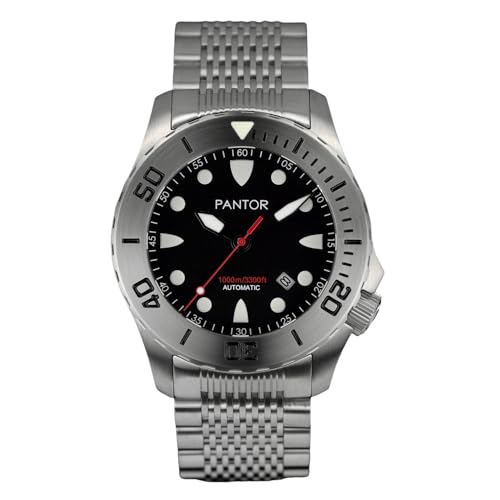
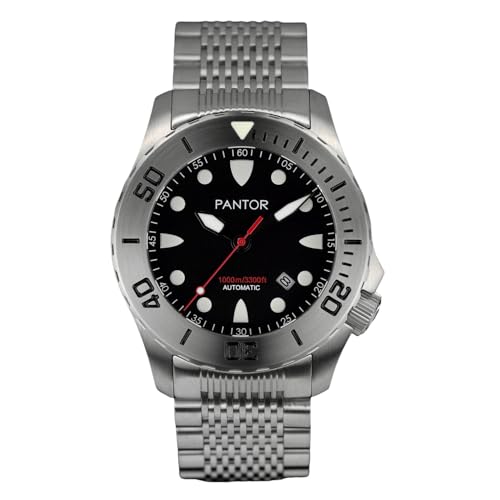
- Mid-tier (~$300–$800): models with factory movements and good documentation — like the Pantor Seahorse (Miyota 9015, sapphire, 1000m) — are reasonably safe on Amazon when sold by the brand or an authorized account.
- Small-run or limited editions: buy direct. Limited production means serial tracking and warranty registration are easier to confirm through the brand than through third‑party listings.
Quick rule: if the listing shows an official storefront, clear model/serial info, and positive community feedback, the Amazon risk profile drops significantly.
Mid-tier diver, good Amazon fit
45mm stainless case, Miyota 9015 automatic movement, 1000m water resistance with helium escape valve, and sapphire crystal with anti‑reflective coating. Known for solid specs for the price and ample community photos. Often sold on Amazon; safest when purchased from the brand storefront or an authorized seller.
Better bought from the maker
Small production runs, special finishes, and limited editions frequently lack consistent Amazon representation. These models commonly require warranty registration or serial verification that only the brand can confirm — buying direct avoids ambiguity and supports after‑sales service.

When a pre‑order is acceptable — quick decision flow
-
Confirm a firm ETA
Request a specific ship date or production milestone. Vague timelines or changing dates are a major risk.
-
Verify refund and payment terms
Ensure full refundability until shipment. Avoid off‑Amazon advance payments unless escrow or written guarantees exist.
-
Check seller reputation and fulfillment
Prefer the brand’s Amazon store, FBA, or established sellers with pre‑order feedback and clear return records.
-
Require provenance and warranty details
Ask for warranty transferability, serial numbers, and photos of the actual unit or production sample before accepting.
-
Decide: proceed or wait
Proceed only if ETA, refund policy, and seller credibility are all confirmed; otherwise wait for in‑stock availability or a trusted reseller.
Ask the seller for:
A written ETA and commitment to update. Explicit, time‑bound refund/cancellation terms. Photos showing serial number or production sample. Proof of warranty transfer or manufacturer registration. Tracking/insured shipping and a promise to ship from a known origin.When uncertain, compare pre-order vs buying in-stock on Amazon and prefer in‑stock for lower risk.
Recommendations used multiple signals: storefront presence, seller history, warranty statements, forum reports, and price‑anomaly scans. These reduce risk but cannot guarantee a listing’s status; a live verification is required before purchase.
-
Signals examined
Storefront verification, seller tenure and feedback patterns, claimed warranty and return terms, shipping origin, listing photos and serial numbers, plus forum corroboration and automated price‑anomaly alerts.
-
How signals were weighted
Priority given to official brand stores and explicit warranty language; unusual discounts, many new sellers, or inconsistent photos trigger higher scrutiny as common signs of hijacks or grey‑market offers.
-
Limitations and live check
All data is a snapshot: listings, sellers and prices change and counterfeiters adapt. A final manual check of the live listing and direct warranty confirmation from the brand is required.
Fast buyer questions
Does Prime mean the watch is authentic and covered by warranty?
Prime only indicates Amazon‑fulfilled shipping or faster delivery, not authenticity or manufacturer warranty. Confirm who the seller is and whether the brand will honor warranty for that purchase.
Are 'Renewed' or 'Amazon Warehouse' watches safe buys?
Renewed items are refurbished and often carry a seller or Amazon refurb warranty, not always the manufacturer’s. Warehouse deals can be good for returns but expect reduced or no factory warranty and possible wear.
What if the serial number on delivery doesn't match the listing or brand records?
A serial mismatch is a red flag—contact the seller and the brand immediately and document everything with photos. If unresolved, open an Amazon return or A‑to‑Z claim; do not accept repairs as the only remedy until authenticity is confirmed.
Is a significantly lower price an automatic fake?
Not automatically—deep discounts can indicate grey‑market stock, used condition, or missing warranty rather than a counterfeit. Verify seller reputation, SKU, and return rights before proceeding.
-
Confirm the seller
Prefer the brand storefront or an authorized retailer; check seller ratings and listing history.
-
Check warranty and returns
Look for explicit factory warranty terms or a clear seller/refurb warranty and a reasonable return window.
-
Verify fulfillment type
Note Prime/FBA vs seller‑fulfilled; FBA helps returns but doesn’t guarantee authenticity.
-
Match specs and photos
Compare the listing SKU, dial details, and specs with the brand site to spot mismatches.
-
Plan post‑arrival checks
On receipt, photograph packaging and serial, run a basic movement check, and start returns immediately if anything is wrong.
When in doubt, choose the brand store or an authorized dealer even if pricier.
Buy‑now checklist and closing advice
- Brand or authorized seller first for warranty peace of mind.
- Prime label does not equal authenticity or full warranty.
- Document delivery and act quickly on serial or condition issues.
Prime, Renewed, and Warehouse labels describe fulfillment or condition, not provenance. Follow the five quick checks, keep photographic proof, and use Amazon’s return/A‑to‑Z routes promptly to minimize risk.
Quick question about the five‑second checks: what exactly should I look for in the seller name vs. the ‘Sold by’ line? Sometimes the page shows both and it’s confusing. Thanks!
The article debunks myths about authenticity — can someone give two quick red flags that are actually useful in 2026? My time is limited and I need a short checklist before clicking Buy.
I tried buying a diver from a third‑party seller and was told the manufacturer’s warranty wouldn’t apply if bought through Amazon. Is that typical? The article mentioned seller type predicts warranty — can the admin clarify how frequent that is?