
The highest asking price is often a seller’s wish, not a market verdict.
A search for the same Rolex reference can show a $4,000 spread in minutes. One listing may include a recent service, original bracelet links, box and papers; another may be overdue for work or have heavily polished lugs. Treat the highest ask as a clue to investigate, never as the number to copy.
A defensible price starts with completed sales of the exact reference, then adjusts for condition, dial and bezel variation, bracelet stretch, completeness, service history, and selling fees. Active listings matter only when they reveal what has failed to sell. Several ordinary watches sitting at ambitious prices are evidence against optimism, not proof of value.
- Record sale date, final price, condition notes, and whether fees were included before averaging comparables.

Build the right comparable set
A “Submariner” sale can be a useful lead, but it is not automatically a comparable. A 16610 from the 1990s, a ceramic-bezel 116610, and a current 126610 may share the collection name while attracting very different buyers and prices.
Start with the reference number: it is the quickest way to separate the correct case, bezel, bracelet, and approximate production period. Then narrow the group using details that can materially change value:
- Era and dial variation: tritium, luminova, or modern Chromalight; matte versus gloss; service dial versus period-correct dial.
- Configuration: bezel color, bracelet type, clasp generation, date or no-date layout, and original box and papers.
- Metal and movement: steel, two-tone, and gold versions should not be blended; a newer movement can place an otherwise similar reference in a different market tier.
- Originality and condition: replaced hands, polished cases, aftermarket parts, and service components require separate comparisons.
For vintage pieces especially, the strongest matches often have the same reference and broadly similar dial, handset, bracelet, and wear. If only one detail differs, note it and adjust cautiously rather than treating the sale as an exact benchmark.
Grade the watch before comparing prices
A sale price only becomes useful after the watch has been described honestly. Photograph the case flanks, lugs, bezel, crystal, dial, hands, bracelet stretch, clasp, and any service marks. Then assign a plain-language grade: unpolished with normal wear, lightly polished, heavily polished, or needs repair. Soft lug edges, a rounded bezel, moisture damage, replacement parts, and a loose bracelet are not small cosmetic details; they can move the watch into a different tier of listings.
Keep physical condition separate from completeness. A clean watch-only example may be more attractive than a tired full set, but it should not automatically be compared with sales that include everything. Record exactly what is present:
- Original box and warranty papers
- Correct number of bracelet links
- Hang tags, booklets, and service paperwork
- Original bracelet versus a strap-only sale
Missing links affect fit and create a replacement cost; missing papers narrow the buyer pool for some references. For a closer look at how missing papers affect pricing, compare watch-only sales only with other watch-only sales before applying any modest adjustment.
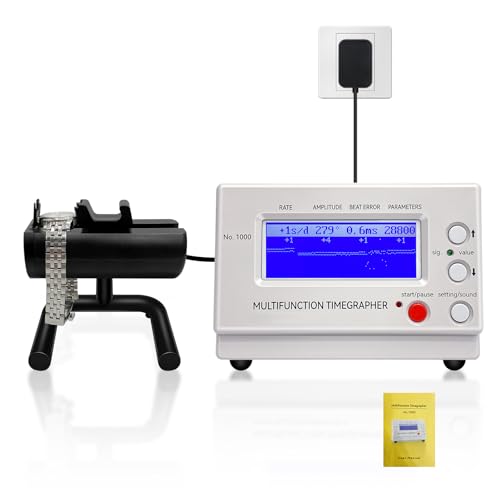
A basic timegrapher can document rate and amplitude on a mechanical Rolex, but it cannot prove originality or replace a service inspection. Treat its reading as a listing detail, not a reason to call the watch “excellent.”
If a flaw cannot be shown clearly, assume a cautious buyer will notice it in person. A conservative grade usually produces better comparables than an optimistic one.
Price the service history
A dated invoice from Rolex or a respected independent beats “recently serviced.” It should identify work, pressure testing, and exchanged parts; what a watch service involves explains why those details matter.
A routine overhaul supports confidence, but rarely adds its full cost to value. Replacement hands, dial, bezel insert, bracelet, or service case parts can place a vintage watch in a lower originality tier. Conflicting component details deserve caution. Without records, treat mechanical health as unverified, allow for an overhaul, and compare it with similarly uncertain examples.
A Visible Price Is Not Always Market Value
An asking price is a seller’s target, not a completed transaction.
Treat active listings as a ceiling to test, especially when the same watch remains available for weeks.
Dealer prices usually include inspection, warranty, returns, and business costs.
Compare dealer stock with dealer results; discount it when estimating a private-sale value.
A realized auction price is strong evidence only after buyer’s premium, condition, and lot details are checked.
Use repeat sales first, then auction records; treat instant-buy offers as a low, convenience-driven floor.
Collect a Small, Defensible Set of Sales
Five well-documented sales of the same reference and configuration are more useful than fifty loosely related results. Work from the newest evidence backward, and save enough detail that each number can be checked later.
-
Start with completed, public results
Check established auction archives, dealer sites that mark watches sold, and marketplace filters for sold or completed listings. Prioritize results with multiple photos, a sale date, reference number, and a stated condition; discard vague “Rolex” results immediately.
-
Capture the details beside the price
For each candidate, record the sale date, currency, price, source link, reference, dial and bezel configuration, bracelet or strap, papers, service claims, visible wear, and notable replacement parts. At auction, note whether the displayed figure includes the buyer’s premium.
-
Keep only the closest matches
Separate the remaining sales into stronger and weaker comparables. A recent watch with the correct dial, metal, bracelet completeness, and similar condition deserves more weight than an older sale that merely shares a reference number.
Save screenshots or archive links: marketplace pages can disappear, and remembered prices are easy to misstate.
Discard Bad Comparables Before Calculating a Price
-
Match the reference first
A sale for the same family is not enough. The reference, bezel, dial layout, bracelet, and movement should align; a different metal or desirable dial can change the market far more than minor wear.
Use as a compThe exact reference with the same core configuration.Set asideA similar-looking Rolex with a materially different dial, metal, or movement. -
Keep condition and contents in the same lane
A sharp, full-set example should not anchor the value of a heavily polished watch without papers. Missing links, replacement parts, and incomplete accessories merit only evidence-based adjustments.
Use as a compComparable wear, originality, links, box, and papers.Set asideLarge guessed deductions or premiums for details the sale does not document. -
Respect market and date
Recent local sales are usually the cleanest evidence. A foreign result may still help, but shipping, tax, currency conversion, and dealer margins can make a direct comparison misleading.
Use as a compCompleted sales from the same region within the last few months.Set asideOld peak-market results or overseas listings treated as cash-equivalent sales. -
Adjust only what can be explained
Small, visible differences can support modest changes when several sales point the same way. Rarity claims, vague “patina” premiums, and one exceptional auction result are better left outside the arithmetic.
Use as a compA clear adjustment supported by repeated market evidence.Set asideSpeculative premiums that turn a weak comp into a target price.
Turn the sales sample into three realistic price targets
-
Remove sales that distort the picture
Set aside unusually cheap watches with damage, missing parts, uncertain authenticity, or a rushed auction close. Also exclude exceptional examples with rare provenance, untouched condition, or dealer warranties that the watch does not share.
-
Find the central cluster
Line up the remaining sale prices and look for the tightest group, rather than averaging every number. Three sales around $8,800–$9,300 say more than one $7,400 result and one $11,000 outlier.
-
Set a private-sale asking range
A clean, honestly described watch can be listed near the upper half of that cluster, leaving modest room for negotiation. The expected deal price should sit closer to the middle, especially without a recent service receipt or full set.
-
Separate dealer and quick-exit numbers
Dealer retail is usually above the private-sale range because it includes inspection, margin, overhead, and often a warranty. A trade-in or cash buyer needs room to resell, so its offer is a convenience floor—not proof that the watch is worth only that amount.
-
Match the route to the need
For a rapid sale, compare offers with places that sell a watch quickly while protecting price, then accept the cost of speed knowingly. For a private listing, choose an asking price that can absorb realistic questions and negotiation.
Record the range with the dates and condition assumptions behind it; a range is easier to revisit than a single unsupported figure.
Price the net, not the listing
A £10,000 headline sale is not automatically better than a £9,300 dealer offer. The useful figure is the acceptable net return: cash left after selling costs, delivery, and the chance that the transaction becomes difficult.
Put each route on the same line
For every channel, subtract:
- platform commission and payment-processing charges;
- insured, tracked shipping, packaging, and signature requirements;
- authentication, escrow, or return costs where applicable;
- a realistic allowance for a chargeback, dispute, or buyer return;
- any tax that may apply locally, with records retained for purchase price and selling expenses.
The difference is often clearest when comparing Chrono24 and eBay marketplace fees, since payment handling and seller protection can change the apparent winner. A private local sale may retain more, but only if secure meeting arrangements and payment verification are practical. A dealer buyout usually pays less gross, yet its immediate, low-friction payment can be the stronger result when shipping risk, waiting time, and a possible return matter.
Tax treatment varies by jurisdiction and circumstances, so it is sensible to treat it as a cost to check rather than assume away.
Set the lowest acceptable net amount before listing. If a buyer dispute would make a channel unacceptable, its optimistic sale price is not a usable comparable.
Use authentication selectively
Third-party verification earns its fee when a watch is expensive, vintage, unusually configured, or missing a clear provenance trail. A recognized report can calm a cautious remote buyer and reduce arguments over authenticity—especially when comparing authentication services that may increase resale value.
It is less compelling for a common, lower-value reference with crisp photos, matching serial documentation, and an established local buyer. Verification also adds cost and delay, so its likely premium should exceed both. The report should accompany accurate photos, an honest parts-and-service disclosure, and a defensible comparable-sales price; it does not excuse undisclosed replacement components or condition issues.
Set an asking price that can absorb a fair offer
Start with the desired net proceeds, add fixed selling costs, then account for percentage fees. A useful check is: required ask = (target net + shipping, insurance, and escrow costs) ÷ (1 − selling-fee rate).
Add a deliberate but modest negotiating margin—often 3–7% for a well-priced modern Rolex, rather than an inflated “make an offer” premium. The resulting figure should still sit credibly beside the closest completed sales.
A buyer should be able to see exactly what is being offered. Use sharp photos of the dial, case sides, clasp, bracelet stretch, serial or rehaut where appropriate, accessories, and all paperwork. List every included link, card, box, receipt, and service document.
Disclose polishing, replacement parts, timing concerns, and missing items plainly. Stock photos, vague condition notes, hidden flaws, and an unrealistic opening price make a listing look suspect—and leave it sitting unsold.
A serious offer slightly below ask is often cheaper than repeated price cuts, extra platform exposure, or another month of carrying risk.
-
Let the listing breathe
For the first 7–14 days, track serious questions, saved-listing activity, and offers rather than reacting to silence on day one.
-
Read offers as information
One low offer is a negotiation attempt. Several independent offers in the same range usually mark the market’s current view.
-
Fix the presentation before the price
Weak engagement may mean unclear photos, missing reference details, or unanswered service questions. Improve those before cutting the ask.
-
Use a simple worksheet
Record: comparable-sale range; condition adjustment; net target; asking price; best offer; number of serious inquiries; review date. Cut only after the review date if evidence still points lower.
-
Choose the next channel deliberately
If the target cannot be reached privately, compare a dealer buyout, consignment, or auction as part of how to resell a watch, using net proceeds rather than headline prices.
- Repeated, well-informed offers matter more than a single aggressive bid.
- A small, evidence-based adjustment is safer than chasing every inquiry.
A calm seller treats engagement as fresh market evidence, not a verdict on the watch. Keep the worksheet with the listing, review it on schedule, and either hold, improve the listing, make one measured reduction, or change the selling route.
The suggestion to photograph everything before listing is spot on. I bought a watch described as “lightly polished” once; that phrase turned out to mean the lugs had been rounded into little soap bars.
Do you recommend putting a timegrapher photo in a private listing, or can that create more arguments than it solves?
I’m a first-time buyer, so maybe this is obvious: when you say configuration, does that include dial variations and bezel inserts? Two watches can have the same reference but look wildly different.