
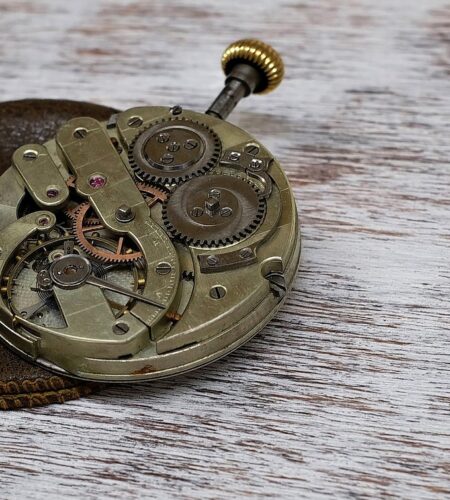
Affordable macro gear that actually delivers sharp dial details.
A blurred date wheel, reflections across the dial, or disappointing soft focus — familiar failures from cheap clip-ons. Hobbyist photographers need crisp, usable close-ups without breaking the bank.
This guide cuts through gimmicks and recommends five budget macro lenses that actually resolve fine watch details, control reflections, and fit smartphones.
- Top pick: Xenvo Pro Macro Lens Kit for Mobile
- Solid budget: APEXEL Professional Smartphone Macro Lens
- Midrange: APEXEL 100Ultra Macro Lens for iPhone

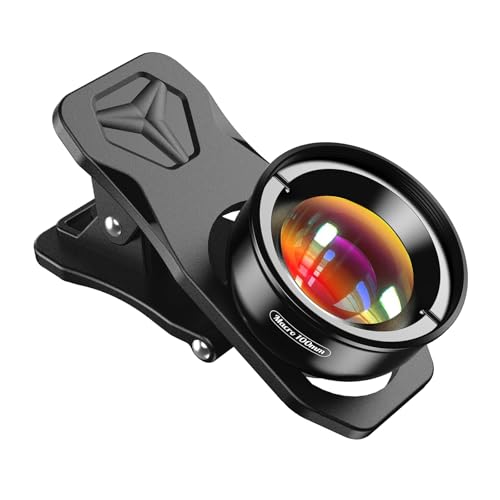


Practical buying and performance criteria
-
Working distance & magnification
Comfortable working distance preserves lighting and prevents the lens or hand from crowding the watch; higher magnification reveals detail but shrinks depth of field. Balance useful reproduction with a gap that allows light control.
Look forReasonable working distance and usable magnification.AvoidVery short focus distance that blocks light or touches the subject. -
Sharpness and edge performance
Center sharpness is most important for dials; check real sample images for edge falloff and chromatic aberration. Beware lenses that only look sharp in marketing shots.
Look forClean center detail and controlled fringing.AvoidSoft center or heavy color fringing at close focus. -
Mounting stability and focus control
A stable clip or adapter and repeatable focus steps are crucial for framing micro-details. Start with the watch photography for beginners fundamentals before upgrading supports.
Look forSecure mount and fine, repeatable focus.AvoidFlimsy clips or sloppy alignment that shifts framing. -
Light handling and included accessories
Specular highlights and reflections make or break a watch shot; included CPLs, diffusers or small adapters add real value. Test how the lens handles flare and contrast.
Look forGood flare control and useful extras (CPL/diffuser).AvoidNo way to manage reflections or harsh highlights.
Best quick-win macro kit for phones
01
Best value, broad compatibility
A compact clip-on kit that pairs a 15x macro lens with a universal clip and a small rechargeable LED (with a soft diffuser). Suited to smartphone users who want a fast, portable way to shoot watch dials, hands, and case details without changing phones or mounting complicated gear. Includes a travel case and a wide-angle add-on for extra versatility.
- Very easy clip mounting
- Included LED with diffuser
- Reliable center sharpness
- Universal phone compatibility
- Pocketable kit and case
- Shallow depth of field
- Soft edges away from center
- Very close working distance
- Needs steady hands or tripod
The Xenvo Pro Lens Kit is the best quick-win for smartphone watch macro: clip-on convenience plus an integrated LED make it fast to set up and light a tiny subject. The Clarus 15x renders crisp center detail that proves useful for dials and movement glimpses. Users should expect a very narrow focus plane, edge softness, and a need for steady positioning or a small tripod. For casual close-up work and fast results at ~$40, it hits the right balance of price and performance.
HD macro, multi-layer coating
A no-frills clip-on macro built for people experimenting with close-up watch photography on a shoestring budget. Fits most phones and keeps the barrier to trying extreme close focus very low; getting consistently usable shots depends more on steady technique than on the lens itself.
- Very low price for entry testing
- Broad phone compatibility
- Glass elements with multi-layer coating
- Decent center detail at close range
- Lightweight and portable clip
- Softness and blur toward the edges
- Extremely shallow depth of field
- Manual focus is fiddly and slow
- Clip alignment must be precise or vignetting appears
Midrange macro with longer working distance
Fixed 50-110mm reach
A midrange smartphone macro designed for hobbyists who want easier lighting and steadier composition than the cheapest clip-ons provide. The 100Ultra trades extreme magnification for a more usable working distance and noticeably better build and optics, which makes it a practical step up for watch close-ups. It relies on manual focus and often needs a phone-specific adapter or case removed, so plan for a stable mount and a little setup time.
- Longer working distance than typical cheap clip-ons — easier to light and position watches
- Improved glass and assembly yield more consistent center-to-edge performance at typical shooting distances
- Solid build and fixed focal design reduce wobble during careful handheld or tripod shots
- Reasonable price for the step-up optics and reliability
- No image stabilization and manual focus only — demands a tripod or steady hands
- Compatibility varies by phone; may require removing cases or buying an adapter
- Edges can soften at the extreme end of its reach and high magnification
- No built-in lighting; external LEDs often needed for even illumination
Premium optics, all-glass design
Premium budget macro for controlled watch close-ups. A 90mm, all-glass smartphone macro built for hobbyists who want longer working distance and cleaner background separation than small clip-ons. Best suited to setups where the phone can be mounted and focus adjusted deliberately.
- Longer focal length improves working distance
- Cleaner background separation and compression
- All-glass optics with premium coatings
- Aluminum build feels durable
- Less edge distortion than cheap clip-ons
- Manual focus — needs patience
- Heavier and bulkier than tiny clip-ons
- Threaded clip/mount may require adapter
- Not ideal for handheld, fast shooting
CPL-enhanced close-ups
Reflection-control macro with creative flair. A 100mm-style clip-on that combines tight close-focus with a rotatable CPL and a subtle starlight effect. Suited to hobbyists who want cleaner watch-face shots and the option to shape highlights without adding a bulky rig.
- Rotatable CPL cuts or tames reflections on crystals and polished metal
- Enables creative highlight shaping (remove glare or keep controlled speculars)
- Long-ish working distance for phone macro, easier framing
- Affordable ‘pro-level’ option with noticeable contrast improvement
- CPL reduces light (typically ~1–2 stops), so exposures must be raised
- Manual focus and no stabilization demand steady hands or a tripod
- Starlight effect can over-emphasize highlights if overused
A repeatable shooting workflow for watch close‑ups
-
Prepare the subject and gear
Clean the watch crystal, case, and hands with compressed air and a microfiber cloth to remove dust. Set the phone or camera to its highest resolution and turn on grid lines; remove straps or bracelets that cast shadows.
-
Mount and align securely
Use the lens clip or adapter and align the macro optic over the camera lens so the vignette is centered. For steady framing, mount the setup on a tripod or phone clamp — see best tripods to pair with inexpensive macro lenses — and choose a lens with more working distance for easier lighting.
-
Nail focus with small movements
Lock exposure and use live‑view magnification or tap‑to‑focus to check critical areas. Fine tune focus by moving the camera body a millimetre at a time rather than nudging the lens; use a cable release, remote, or timer to avoid shake.
-
Control exposure and reflections
Diffuse the light with a softbox or tissue and keep ISO low; raise shutter time when on a tripod. If using a CPL, allow for about one stop of light loss and rotate the filter to tame reflections on crystal and metal.
-
Intro to focus‑stacking
Capture a sequence of overlapping frames, shifting focus or the camera a hair between shots (start with 8–20 frames depending on dial curvature). Merge in stacking software (Helicon, Zerene, or Photoshop) to extend depth of field while preserving fine detail.
For fragile hands, employ a macro rail for repeatable small shifts during stacking.
Lighting and reflection myths, debunked
Harsh light creates glare and flattens texture; gentle diffusion reveals dial detail.
Specular reflections from crystals wash out markers. Place tracing paper, a thin translucent plastic, or a silicone sheet between light and watch; angle the light slightly to avoid direct reflections.
CPLs reduce polarized reflections but don’t eliminate multi‑angle glare and reduce exposure.
Rotate the polarizer to find the sweet spot, then open exposure or add gentle fill light to compensate; coated or domed crystals may still show residual reflections.
A slight tilt often removes mirror reflections and reveals markers without harming composition.
Changing camera or light angle alters reflection geometry; combine a small tilt with diffusion and, if available, a polarizer for best results.
Quick rescue kit
Use DIY diffusers: tracing paper, a frosted food container, or a thin silicone sheet. Fit and rotate a CPL; increase exposure or add gentle fill if it darkens the shot. Tilt camera or light a few degrees to change reflection angles. Consider continuous low‑power LEDs (see LED lighting for affordable macro setups) and always stabilize with a tripod or clamp.Best combos and a short buying checklist
- Budget/handheld: choose Xenvo Pro Macro Lens Kit for Mobile (LED helps fill light) or APEXEL Professional Smartphone Macro Lens for the lowest cost and portability.
- Long working distance / tripod: APEXEL 100Ultra Macro Lens or 90mm Professional Smartphone Macro Lens — cleaner backgrounds and easier focus stacking when mounted.
- Reflection control: APEXEL 100Ultra Macro with CPL Starlight adds a polarizer for glare-heavy dials; allow exposure compensation and use a tripod.
Top quick-win: for fast, handheld watch close-ups, the Xenvo Pro Macro Lens Kit for Mobile (LED) is the easiest, most repeatable pick. Midrange and mounted setups: move to the APEXEL 100Ultra or the 90mm for longer working distance and better separation. For persistent reflections, prefer the APEXEL 100Ultra Macro with CPL Starlight.