
Specs deceive: the gap between lugs reveals the truth about fit.
At the counter a person with a 6.5‑inch wrist tries a ’40mm’ watch and finds the case overhangs the knuckle and the watch rocks. The spec sheet lists diameter, but the real culprit is the distance from one lug tip to the other.
That lug‑to‑lug span — lug‑to‑lug — controls how the watch sits: whether the strap hugs the wrist or the case hangs off. Diameter sets face size; lug‑to‑lug sets comfort and visual balance. Small changes in lug‑to‑lug can turn a wearable into an awkward fit, so measuring it matters more than assumed.
What lug-to-lug means
- What is measured
Lug-to-lug is the straight-line distance from the outer tip of one lug to the outer tip of the opposite lug, taken along the watch’s long axis.
- How it's measured
Typically measured tip‑to‑tip or between spring‑bar centers with the watch laid flat — it is a linear span, not the curved length the strap follows around the wrist.
- How it differs from diameter and thickness
Diameter is the bezel width and thickness is the vertical height; lug‑to‑lug is the case’s length and therefore governs lateral fit rather than dial size or stack height.
- Why it affects overhang
Because the wrist is curved, a long lug‑to‑lug forces the spring bars to span a greater chord across the curve, which can leave the case edges unsupported and produce overhang and rocking.
- Practical consequence
Watches with similar diameters can wear very differently: a long lug‑to‑lug often overhangs on smaller wrists, while shorter lugs allow the case to tuck into the wrist crease.
How the three parts interact
Think of watch fit as the result of three linked mechanical factors: wrist shape, lug geometry, and strap/bracelet attachment. Each one pushes or pulls the case into a particular position on the wrist. When they are mismatched, the watch overhangs, rocks, or creates pressure points.
Wrist shape and curvature
Wrist cross-sections range from flat to highly curved. A flatter wrist gives more lateral support; a highly curved wrist creates gaps under the case sides. Flat wrists tolerate longer lug‑to‑lug before overhang; curved wrists need shorter effective lug runs or pronounced lug drop to avoid gaps.
Lug geometry and curve
Lug length is only half the story—how the lugs curve matters. Lugs that drop steeply toward the wrist convert long lug‑to‑lug into a shorter effective span. Straight, horizontal lugs keep the full lug‑to‑lug distance on display and are more likely to overhang or rock on curved wrists.
Strap and bracelet attachment
How the strap starts at the spring bar affects angle and pressure. Thick, stiff bracelets hold the case higher and resist conformity, increasing rocking and edge pressure. Thin, flexible straps let lugs settle into the wrist curve but can concentrate force at the spring bar ends.
Predictive checklist (quick):
- If wrist is curved + lugs are straight → expect overhang or rocking.
- If lugs have strong drop + flexible strap → good contact, fewer pressure points.
- If bracelet is stiff + case wide across lugs → heightened rocking and localized pressure.
Common failure modes and causes:
- Overhang: lugs too long for wrist curvature.
- Rocking: gap under mid-case from mismatched lug curve or stiff bracelet.
- Pressure points: narrow contact area at lug ends or rigid bracelet links.
Use this model to compare watches by imagining the wrist curvature, then asking whether the lugs and strap will bridge or follow that curve.
Try the bend test: look at how the lugs would fall from the spring bars to the wrist line. If a straight line connects lug tips well above the wrist curve, anticipate overhang or rocking.
Simple at‑home fit tests
-
Measure wrist span
With the wrist relaxed and palm down, measure across the top from one prominent bone to the other (flat width where a watch sits). Record this in millimetres; it’s the primary comparator for lug‑to‑lug.
-
Measure lug‑to‑lug
Lay the watch face down and measure straight from tip to tip of the lugs using a ruler or caliper. Note whether the lug curve changes the effective tip distance.
-
String simulation
Cut a piece of string to the lug‑to‑lug length, center it on the wrist and mark the ends; if the marks fall off the top surface or past the wrist bones, expect overhang.
-
Cardboard cutout
Trace a rectangle or the case outline to the lug‑to‑lug size on card, tape it to the strap, and wear it. This shows visual coverage and where corners might contact bone.
-
Rocking and flex test
With the cutout or string in place, flex and rotate the wrist. Any lifting, digging, or edge contact under normal motion indicates the lug‑to‑lug is borderline or too long.
Record measurements and test outcomes; small strap changes can mask lug length issues.
How these checks were done
Simple, repeatable pass/fail checks using a ruler, string and cardboard provide reliable visual and tactile feedback.
-
Tools and setup
A ruler or caliper, flexible tape or string, and scrap card are sufficient. Tests were performed on a relaxed wrist in natural posture.
-
Pass/fail thresholds
A cutout that extends past the wrist bones or that lifts/digs during normal motion was classed as ‘overhang’ or ‘rocking’ respectively; these practical thresholds guide fit decisions.
Practical lug‑to‑lug benchmarks
Below are conservative, hobbyist‑level benchmark ranges that help predict likely overhang. These assume a typical case thickness and standard lug curve; flatter lugs, long spring bars, or very stiff straps will make watches behave larger than the numbers suggest.
Wrist categories and useful lug‑to‑lug ranges
- Small wrist (circumference <165 mm / <6.5 in): comfortable lug‑to‑lug ≤45–48 mm. Borderline overhang around 50 mm. Overhang likely >52 mm.
- Medium wrist (165–184 mm / 6.5–7.25 in): comfortable lug‑to‑lug ≤50–54 mm. Borderline 55–58 mm. Overhang likely >60 mm.
- Large wrist (184–203 mm / 7.25–8.0 in): comfortable lug‑to‑lug ≤56–62 mm. Borderline 63–66 mm. Overhang likely >68 mm.
- Very large wrist (>203 mm / >8.0 in): comfortable lug‑to‑lug up to ~62–70 mm; overhang rare until >72 mm.
Important caveats and practical tips
- Lug curve matters. Strongly curved lugs can compensate by 2–6 mm of effective length; flat lugs provide no forgiveness.
- Strap and end‑link design matters. Curved end links or long spring bars pull the case closer to the wrist and reduce apparent overhang; thick, straight straps increase it.
- When to worry: visible case edges past the wrist’s sides, frequent rocking, or pressure at the lugs indicate a too‑long lug‑to‑lug regardless of numbers.
Use these numbers as ballpark guidance and combine them with the at‑home string/card test for a final check.
Practical criteria to minimize lug‑to‑lug impact
-
Dropped or downward‑curving lugs
Lugs that slope sharply downward bring the case sides closer to the wrist, masking a longer lug‑to‑lug. A pronounced drop converts horizontal overhang into vertical clearance, improving perceived fit.
PreferStrong downward curve / tight lug radiusAvoidFlat, straight lugs that sit parallel to the case -
Articulated end links and curved end‑pieces
Multi‑link end links or curved end‑pieces allow the bracelet or strap to follow wrist contours immediately, reducing rocking. Check that the end link pivots cleanly rather than being fixed to the case.
PreferMulti‑joint or pivoting end links; pre‑curved end piecesAvoidOne‑piece, rigid end links with no pivot -
Strap width, taper and short spring bars
Narrower straps or strong tapers remove bulk at the lug junction, making a long lug‑to‑lug less obvious. Short spring bars (or drilled lugs) let the strap sit closer under the case.
PreferTapered straps, thinner leather/cloth, short spring barsAvoidThick straps that add horizontal width at the lugs -
Flexible, multi‑link bracelets and light case weight
Highly segmented bracelets conform quickly and spread contact, reducing perceived length; a lighter case reduces leverage and pressure. Solid heavy cases accentuate overhang even with compliant straps.
PreferMulti‑link bracelets; lightweight materialsAvoidHeavy, one‑piece bracelets or very stiff metal links
Common Fit Myths Debunked
Lug-to-lug usually controls overhang and how a watch sits; diameter mainly describes dial size.
A long lug-to-lug will overhang even on small-diameter cases, causing rocking or pressure points.
Angles, strap choice and wrist posture in photos can mislead; measurements or try-ons are more reliable.
Foreshortening, curved lugs and flexible straps hide overhang or exaggerate compactness.
Small deltas can change contact points and increase rocking on curved or narrow wrists.
A few millimetres can move lugs off the wrist crown and create new pressure zones.
Practical buyer Q&A
Is a short lug‑to‑lug okay on a large‑diameter watch?
A short lug‑to‑lug often prevents overhang even with a large dial, but the watch can still look and feel bulky if the lugs sit flat or the crown is tall. Favor deep‑curved lugs and flexible straps or bracelets to keep the case seated and reduce rocking.
What if the listing doesn't show lug‑to‑lug?
Ask the seller for a tip‑to‑tip measurement or a ruler photo; request the exact model number to compare known specs. If the seller refuses, treat the purchase as higher risk and confirm the return policy before buying.
How reliable are wrist shots and product photos?
Photos often mislead because angle, strap thickness, and wrist padding change perceived size. Request straight top and side shots with a measuring card, coin, or ruler in frame to judge clearance and lug curve.
How much overhang is acceptable?
Up to about 1–2 mm per side is usually unnoticeable and fine; visible overhang or any amount that makes the case rock under pressure is too much. Prioritize a case that sits flush across the wrist rather than perfect symmetry.
Quick checklist before buying online?
Confirm lug‑to‑lug, lug curve, strap/end‑link shape, and spring‑bar type; ask whether end links pivot. Also verify return terms or buy from sellers who provide measured listings and clear wrist photos.
Quick decision checklist
- Measure wrist width or circumference, then compare to the watch's lug‑to‑lug.
- If the lug‑to‑lug approaches your wrist width, expect overhang or rocking.
- Prefer shorter lug‑to‑lug, dropped lugs, or pivoting end‑links for small wrists.
Bottom line: Lug‑to‑lug largely determines overhang and comfort; small differences matter more on smaller wrists.
Follow the checklist above when trying watches in person or shopping online to avoid surprises.

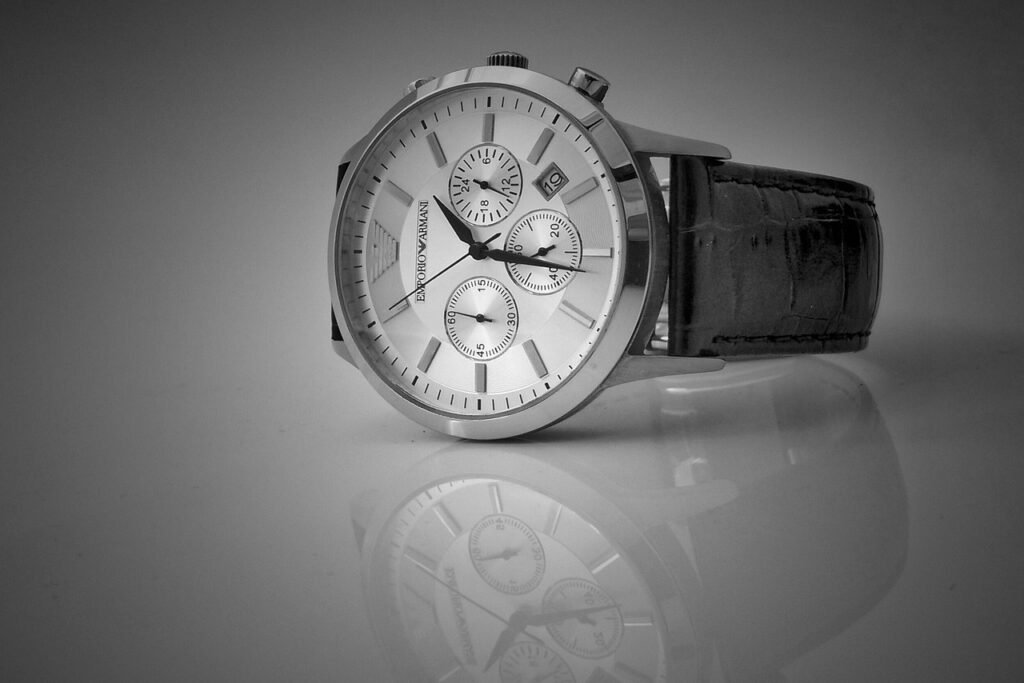

What about vintage cushion cases with short diameter but boxy lugs? Photos always make them look tiny but my experience is they can still overhang.
Are there any quick photo tips beyond the article’s suggestions to spot that?
Good point — vintage cushion cases often have lug geometry that sticks out. I try to look for how the springbar sits relative to the case edge in profile shots; if it’s flush or protruding, it’s a red flag. Also ask for a wrist shot with the strap straight — that often reveals overhang better than dial-front photos.
Anyone have experience with long lug-to-lug but very dropped lugs? The article mentions dropped lugs can help, but how forgiving is it in practice?
Nice breakdown. I always thought diameter was the main thing, but the lug-to-lug piece makes way more sense when I try watches on.
Quick note: the cardboard/string test is so simple yet underrated — saved me from buying an overhanging diver last month.
Loved the myth-busting section. Diameter being misleading is the one myth I keep catching myself on.
Practical question: for that 2–3 mm lug-to-lug change they mention, how perceptible is that day-to-day? Like, is it a ‘you notice immediately’ thing or more subtle over hours of wear?
Usually you notice it quickly — especially on smaller wrists. A 2–3 mm difference can change whether the lugs sit fully on the wrist or hang over the edge, which you feel as pressure points or rocking.
However, perception can be subtle at first if the strap compensates. Over a day you’ll definitely pick up on discomfort from a marginal fit: rubbing, shifting, or the watch tilting. That’s why we recommend the at-home string/cardboard simulation before buying.
Agree with Admin — I had two otherwise identical watches with 2mm difference and one just felt “off” after a couple hours. So yeah, perceptible and annoying over time.
I measured my 6.5″ wrist and the article’s conservative lug-to-lug ranges suggest avoiding anything over ~48mm, but I’ve seen people wear 50mm cases comfortably.
Is that mainly down to lug curve and strap flexibility? Or are those just outliers with very particular cases/bracelets?
Great question — you nailed the nuance. It’s mostly down to lug curve and strap/bracelet behavior.
A 50mm lug-to-lug can sit fine on a 6.5″ wrist if the lugs curve sharply down (hugging the wrist) and the strap attachment allows the strap to tuck under the wrist quickly. Conversely, a flat top with long, straight lugs will overhang and rock even if it’s only 2mm shorter.
Also weight and case thickness matter — heavy, stiff cases amplify problems. So those 50mm-wearers are usually benefiting from a combination of favorable lug curve, flexible straps, or dropped lugs.