
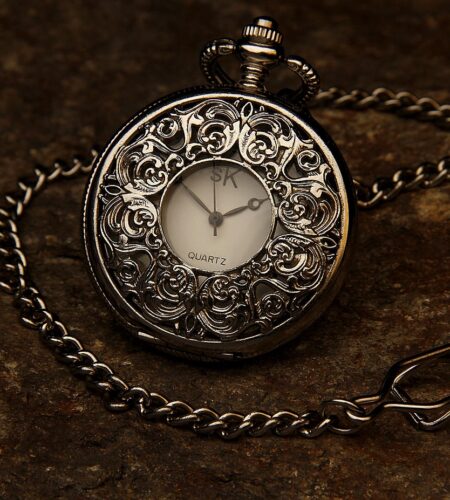
Personal touches are tempting—do factory guarantees survive them?
An owner swaps a strap, polishes a bezel, or installs a custom dial—small tweaks that raise big warranty questions. Whether protection remains hinges on what was altered, who performed the work, and whether the manufacturer can show the change caused the fault; keep records to help establish causation.
- Strap swaps and cosmetic changes are generally low risk; water-resistance should be pressure-tested afterward.
- Movement replacements or invasive internal work by unauthorised shops commonly lead to voided coverage.
- In the US, Magnuson-Moss limits blanket warranty voids—manufacturers must usually prove causation.
Does modifying void the warranty?
Does any modification automatically void the manufacturer's warranty?
Not automatically. Most manufacturers will not honor warranty claims if a modification can be shown to have caused the failure, but simple cosmetic changes or strap swaps often won’t trigger a denial unless they introduced the problem.
What is the nexus/causation principle?
The nexus or causation principle requires the maker to show a direct link between the modification and the defect. If the manufacturer cannot demonstrate that the alteration caused the damage, a warranty denial may be legally weak.
Does who performed the modification matter?
Yes. Work by an authorized dealer or the manufacturer is far less likely to affect coverage than work by an unauthorized third party. Unauthorized repairs raise suspicion, but the manufacturer still generally must prove the unauthorized service caused the failure.
How do retailer or extended warranties differ from manufacturer warranties?
Retailers and third-party extended plans use their own terms and can be stricter about modifications. Some extended warranties expressly exclude any altered watches, so reading the contract is essential before assuming coverage.
Can consumer-protection laws limit blanket 'void if modified' statements?
Yes—many jurisdictions bar blanket disclaimers and require proof of causation before denying a claim. Consumer-protection rules and unfair contract statutes can make blanket voiding clauses unenforceable, so local law and regulators matter.
Common modifications: Myth vs reality
Replacing straps is usually low risk and doesn’t void movement or case warranties.
Straps are external; manufacturers rarely link strap swaps to functional failures unless damage is provable.
This is a medium risk: claims can be contested if the change caused damage or water‑resistance loss.
Battery replacement can breach seals; manufacturers may require proof that the battery change didn’t cause the fault.
Polishing alters the original finish and can be treated as a modification—cosmetic or seal‑related claims may be refused.
Removing material can change tolerances and affect gaskets or water resistance.
Major internal or structural modifications are high risk and commonly void warranties.
Work that alters the movement or case integrity—machining, drilling, movement swaps—directly causes failures manufacturers will attribute to the owner.
Do these before and after any mod:
Take dated photos of the watch and serial numbers. Keep original parts and packaging. Get written receipts from any third‑party service. For water‑resistant models, use authorized pressure testing after work.These steps make it easier to contest wrongful denials and show causation (or lack of it).
Quick checklist before modifying a watch
-
Confirm warranty terms
Find the warranty card and note exclusions and remaining coverage. Call the manufacturer or authorized dealer if wording is unclear about a specific change.
-
Identify sealed or sensitive systems
Check whether the mod affects water resistance, caseback seals, or movement modules. Sealed systems are sensitive; opening them often leads to denials.
-
Prefer authorized service for high-risk work
Use an authorized service center for engine-level or water-resistance work to preserve warranty arguments. For purely cosmetic changes, confirm independent repair won’t void coverage.
-
Document pre- and post-work condition
Photograph serials, seals, and the movement (if visible). Keep estimates, warranty stamps, and all receipts to document causation.
-
Retain original parts and packaging
Keep replaced parts, original straps, box, and manuals. Originals reduce denial risk and may help restore warranty.
Before any work, photograph dial, caseback, movement, serials, and seals. After service, photograph again and get a dated invoice. Store scans in the cloud and keep originals with the warranty card.
What to capture
Serial numbers and hallmarks Seal condition and gaskets Service invoice with technician nameDocumentation doesn’t guarantee approval but strengthens the case that a mod didn’t cause failure.
If a warranty claim is denied — next steps
What first steps should be taken when a claim is denied after a modification?
Request a written denial and the manufacturer’s technical rationale; gather pre-modification photos, purchase receipts, and service records. Ask the maker to show how the modification caused the fault and request reassessment if the evidence is unclear.
How can the denial be formally appealed?
File a written appeal with documented evidence and request escalation to a technical specialist, giving a clear deadline for response. If the brand refuses, obtain an independent watchmaker’s report to dispute the causation claim.
When is it pragmatic to pay for an authorized repair despite a denial?
Pay authorized repair when original parts, brand authentication, or resale value matter, or when repair cost is comparable to replacement. Authorized service preserves provenance and avoids further warranty disputes.
When should consumer-protection channels be used?
Turn to local warranty laws, consumer-protection agencies, or small-claims court if evidence points to wrongful denial or misleading warranty terms. File with the manufacturer’s written denial and organized supporting documents.
When is third-party servicing or selling the modified watch the pragmatic choice?
Choose reputable third-party servicing or sell as modified when authorized repair is prohibitively expensive, the watch is out of warranty, or customization is preferred; always disclose modifications and keep receipts. For a deeper cost analysis and warranty effects, see how much mods cost and warranty implications.
Quick checklist before modifying a watch
- Take timestamped photos and note serial/model before any work.
- Read warranty terms and ask manufacturer/dealer for their policy in writing.
- Keep removed parts, receipts, and original packaging; record who performed the mod and when.
A short practical checklist reduces disputes and preserves warranty options when modifying a watch. Document condition, retain originals, and match service level to the mod’s risk.

Minor nit: you repeated the “Quick checklist before modifying a watch” heading twice in the outline. Content was consistent though, so no biggie.
Also curious: if I use an authorized service for a ‘high-risk’ mod, is that always safe for warranty continuity? Or can manufacturers still deny if something goes wrong later?
Good catch on the repeated heading — thanks. Regarding authorized service: using an authorized center is the best way to preserve warranty continuity. If an authorized center performs the mod and records it, the manufacturer is less likely to deny unrelated future claims.
However, if the authorized service performs a risky modification that directly causes damage, the manufacturer may still deny a warranty repair for that specific damage. Documentation from the authorized center helps clarify responsibility.
I’ve had an authorized center install a new crystal. Months later the movement had issues unrelated to the crystal and the warranty covered it. So yes, authorized centers generally protect warranty status in practice.
Quick note: the article groups mods by risk level but doesn’t list every single mod. What about swapping lume or adding aftermarket hands? Is that medium or high risk?
I wish the article had more on what counts as legal proof of causation. The ‘manufacturer must prove modification caused the fault’ line sounds great, but in practice that sounds expensive to challenge. Has anyone gone through a formal dispute? What’s the threshold of proof manufacturers usually present?
You’re right — legally challenging a denial can be costly. Manufacturers often rely on their watchmakers’ inspection reports, photos, or service logs as evidence. Those reports focus on whether damage patterns match known effects of a specific mod.
If you believe the denial is unfair, start with an appeal to the manufacturer, attach your documentation, and consider consumer-protection mediation before hiring a lawyer. Many disputes settle at the mediation stage without full litigation.
This is really helpful. I appreciated the checklist — especially keeping originals.
My question: if an authorized dealer refuses to perform a mod they call “non-warranty work,” can that dealer still void the warranty later? Or is it only the manufacturer that can officially void a warranty? Anyone know the legal nuance here?
Good question. Dealers can decline to do non-warranty mods, but they can’t unilaterally ‘void’ a manufacturer’s warranty — only the manufacturer can deny a claim.
If a dealer performs unauthorized work and causes damage, the manufacturer may refuse a warranty repair if they can show causation. Always get authorization in writing if a dealer offers to do modifications.
From my experience, the dealer blamed an aftermarket strap for a water-resistance failure. Manufacturer denied the warranty. Dealer said they didn’t do the strap but wouldn’t back me up. Moral: get everything in writing and avoid unofficial dealers.
So if a claim is denied, the article suggests appeals and consumer-protection routes. Can someone outline the usual timeline? How long should I expect to wait from initial denial to resolution via appeal or mediation?
Timelines vary widely. Initial appeal to the manufacturer often takes 2–6 weeks. If that fails and you file a complaint with a consumer-protection agency or request mediation, add another 4–12 weeks depending on the agency’s caseload.
Legal action is the longest path—months to years—so it’s usually a last resort. Start with an appeal and have your documentation ready to speed things up.
I waited about 8 weeks total using an ombudsman service here. It felt slow, but it worked and cost much less than hiring a lawyer.
Short and useful. Didn’t know manufacturers had to prove causation. Makes me less paranoid about low-risk mods like swapping a strap.
Not everyone wants to keep a pile of original parts in a drawer forever. The recommendation to “keep originals” is sensible, but for small stuff like a strap buckle, is it really necessary? Asking because I swap straps weekly 😅
Thanks for the practical checklists. One small addition I’d like: mention backing up watch service history digitally (cloud) so you don’t lose it if you move or the paper receipts fade. Saves a lot of headache later.