Best Budget Clip-On Trackers Under $50 — Value Showdown
Finding Value: Why Clip-On Trackers Matter for Budget Buyers
Clip-on fitness trackers are a smart choice for cost-conscious buyers. Lightweight, discreet, and often more battery-efficient than wristwear, clip-ons do the essentials—step counting, sleep tracking, and basic activity logs—without the extra cost or bulk. If you want simple, dependable tracking for daily life or workouts, a clip-on can deliver strong value for under $50 and fits easily in pockets or straps.
This guide focuses on practical criteria—accuracy, battery life, comfort, app support, and build quality—to help you pick the best clip-on under fifty dollars. We’ll explain trade-offs you should expect, compare typical budget models, summarize real-world performance tests, and give buying tips and warranty advice so you can confidently choose the best value tracker without overspending or sacrificing essentials daily.
Why Choose a Clip-On Tracker over a Wristband or Phone
Portability and placement freedom
Clip-ons are tiny by design: you can fasten them to a waistband, shoe, backpack strap, or keyring. That versatility matters when pockets are limited or you want the tracker to follow a specific motion (e.g., foot for more accurate step cadence). For people who hate wearing anything on their wrist, a clip-on disappears into daily life.
Best for Travel
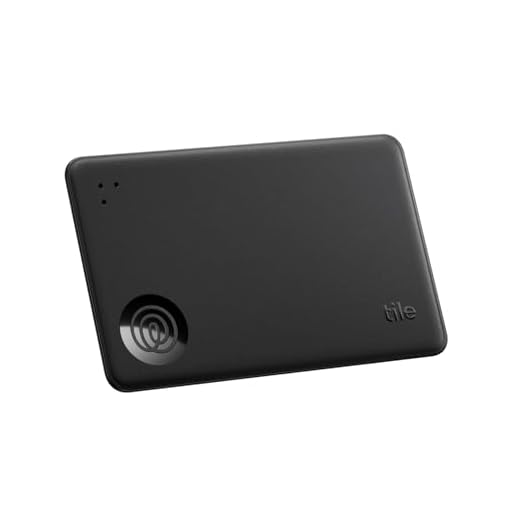
Tile Slim Wallet Tracker for Wallets and Passports
Thin, long-life tracker with SOS and phone finder
A super-thin Bluetooth tracker designed to slide into wallets, passports, and luggage to help locate lost items. Features a 3-year battery, SOS alert, phone-finding ability, and Life360 compatibility for family tracking.
Wristbands can chafe, trap sweat, or trigger workplace rules about jewelry and wearables. Clip-ons avoid continuous skin contact, which helps people with sensitive skin or jobs that require glove use (construction, food service). Anecdote: a runner I know swapped to a clip-on to stop the rash that appeared on long summer runs.
Better for certain activities
Clip-ons excel when wrist devices are impractical:
Running or trail work: clipping to laces gives true step rhythm.
Weightlifting: no interference from wrist straps or gloves.
Job sites: clip to a belt or pocket to keep hands free and avoid impact damage.
Longer battery life through lower power draw
Smaller sensors and fewer screens mean many clip-ons run months on a coin cell or several weeks between charges. If you prioritize “set it and forget it” tracking, clip-ons often win over power-hungry smartbands.
Know the trade-offs and practical tips
Clip-ons sacrifice some features: no continuous heart-rate monitoring, smaller/no display, and fewer advanced sensors (GPS, SpO2). To get the most from a budget clip-on:
Clip near the body segment that best represents the activity (shoelaces for steps, waistband for daily movement).
Ensure the clip is secure and not loose—false steps spike when the device bounces.
Sync regularly to avoid data loss and keep firmware current.
2
Key Features to Look For on a Budget Clip-On
You’ve learned why clip-ons can be the smarter choice. Now focus on the specific features that separate a useful <$50 tracker from a frustrating one. Below are the essentials and useful extras, with why each matters and what to realistically expect at this price point.
Essential features (must-haves)
Accurate step counting — why: core purpose; realistic expectation: good for daily totals (±5–15%) but may miscount during biking or bouncy pockets.
Clip stability and fit — why: prevents false steps; realistic expectation: plastic spring clips are common; look for a metal spring or integrated clasp if you’re active.
Basic sleep tracking — why: rough idea of sleep time and wake periods; realistic expectation: won’t detect sleep stages reliably—expect “light vs. deep” labels to be approximate.
Reliable Bluetooth sync — why: prevents data loss and makes setup painless; realistic expectation: Bluetooth 4.0–5.0 with 10–30 ft range; occasional re-pairing may be required.
Battery life (days to weeks) — why: minimizes charging fuss; realistic expectation: rechargeable models last days–2 weeks; coin-cell units can run months.
Water resistance rating — why: sweat and rain protection; realistic expectation: IPX4–IP67 range—only models explicitly rated IP67/IP68 are safe for swimming.
Feature-Rich
Rechargeable 3D Pedometer with LCD Display
USB rechargeable with saved session history
A versatile clip-on pedometer with 3D tri-axis sensing, clear LCD, and multiple wear options (clip, lanyard, pocket). It offers USB charging, auto-sleep, session auto-save, and improved accuracy after calibration for daily activity tracking.
Automatic activity detection — why: convenience for walking vs. running; realistic expectation: basic detection works but can miss short workouts.
Basic heart-rate monitoring/estimation — why: extra health context; realistic expectation: optical HR is rare and often spot-check or coarse estimates at this price.
Smartphone notifications — why: useful alerts without a watch; realistic expectation: limited to calls/messages/vibration, not app-rich alerts.
Quick charge or common cable — why: convenience; realistic expectation: micro-USB common; USB-C is still uncommon under $50.
Replaceable clips/accessories — why: longevity and comfort; realistic expectation: few models offer official replacements—aftermarket clips are an option.
Build, cleaning, and privacy
Build quality: expect plastic housings; test the clip mechanism in-store or look for reinforced clips in reviews.
Ease of cleaning: smooth, sealed bodies wipe clean—avoid complex grooves that trap sweat and dirt.
Data privacy: companion apps often collect activity, device IDs, and sometimes location; realistic expectation: many free apps share anonymized data—read the privacy policy and prefer vendors with clear opt-outs.
Next up: how we applied these criteria to compare value candidates and the trade-offs you’ll encounter in real tests.
3
How Value Candidates Stack Up: Comparison Criteria and Typical Trade-Offs
Comparison methodology — cut through the hype
To compare clip-ons under $50 objectively, test each device across the same, measurable criteria and log results rather than relying on specs or marketing. Use short, repeatable tests: a 1‑mile walk for step/distance accuracy, a week-long battery log, a pocket/clip drop-and-shake durability check, and 24–48 hour app sync observations. Record notes and screenshots so you can compare apples-to-apples.
Accuracy (steps & distance): compare device counts to a counted walk and a phone GPS distance.
Battery endurance: log days until recharge or months for coin-cell models under normal use.
Durability & water resistance: look for IP rating and perform a light splash or pocket abrasion test.
Comfort & clip design: try different clothing and bag attachments for retention and ergonomics.
Mobile app quality: evaluate sync reliability, clarity of data, and privacy settings.
Feature set: sleep tracking, heart-rate (spot-check vs continuous), activity modes.
Support & warranty: response speed, documented warranty length, and update cadence.
Typical trade-offs buyers will meet
Battery vs sensors: coin-cell pedometers can run months but usually have no Bluetooth, sleep, or HR features. Rechargeable clip-ons with Bluetooth may offer more features but die in days.
Accuracy vs price: sub-$50 devices often nail step totals for walking but miscount during cycling or irregular gait.
App polish vs hardware: some solid hardware ships with a rough, ad-supported app that undermines the experience.
Durability vs aesthetics: slimmer, lighter clips feel better but can be less rugged than chunkier units with stronger springs.
Firmware support: inexpensive brands may not push updates—plan for a limited lifespan.
How to score and pick
Create a simple 1–5 score for each criterion, then apply weights based on your priorities. Example weightings:
Run the math and compare totals — the top scorer fits your needs, not the flashiest ad. Next, we’ll put these measures into action with hands-on accuracy, battery, and durability results.
4
Real-World Performance: Accuracy, Battery, and Durability Tests
Accuracy: simple checks you can run in 10–20 minutes
Do a counted-step test: walk 100 steps slowly and steadily while keeping a clicker/pedometer or having a partner count. Repeat at a brisk pace and on stairs. For distance/cadence, map a 0.25‑mile (400 m) route with your phone GPS and do a short run; compare cadence and distance. For sleep, note the exact lights‑out and wake times for two nights and compare recorded sleep start/end times — look for off-by-30‑minute errors.
This quick routine highlights common biases: many budget clip-ons undercount for shuffles and overcount when clipped to loose pockets.
Best for Seniors
OZO Fitness Clip-on 3D Pedometer with Large Accurate Display
Simple senior-friendly tracking, no apps needed
A straightforward, durable pedometer with a high-sensitivity 3D sensor and large high-contrast display designed for easy use by seniors. Includes clip and lanyard, splash-resistant housing, and long battery life up to 12 months.
Daily active: step tracking + hourly Bluetooth sync + notifications.
Minimal: step tracking only, no Bluetooth, occasional sync.
Start fully charged and log days until recharge. Treat manufacturer “up to X days” claims as best‑case — expect 50–70% of that with daily sync. Coin-cell models often match long claims (weeks/months) but lack Bluetooth; rechargeables with sensors usually run 5–14 days depending on sync frequency.
Durability & water resistance: what IP numbers mean
Test clip strength by attaching the device to jean waist, jog for 5 minutes, then do a light shake test and tug. Inspect the clip spring, seams, and paint after a week of pocket use. For swim claims, only trust explicit IP68 + swim mode; otherwise avoid submersion.
Typical failure modes and warning signs
Watch for loose clips, swelling batteries, Bluetooth drops, water fogging, and app disappearance from stores. Early signs of poor longevity: rapidly decreasing battery runtime, inconsistent daily step totals, and visible plastic stress or corroded contacts. If you see these within a month, return or escalate warranty claims.
5
User Experience: App Quality, Setup, and Ecosystem Compatibility
What a good companion app actually does
The hardware is only half the story — the app shapes daily satisfaction. Look for:
Clear, guided setup with step‑by‑step pairing and status indicators.
Stable Bluetooth Low Energy (BLE) connection and background sync without constant re-pairing.
Meaningful visuals: daily/weekly trends, sleep stage timeline, and one‑tap insights rather than raw numbers.
Export or sync options: CSV export and automatic sync to Apple Health (HealthKit) and Google Fit.
Transparent privacy settings and a simple way to delete or export your data.
Most Versatile
Tile Mate Bluetooth Tracker for Keys and Bags
Everyday tracker with SOS and phone finder
A compact Bluetooth tracker to attach to keys, bags, or everyday items so you can ring them from the app or use it to find your phone. Works with Life360, offers SOS alerts, and simplifies locating misplaced belongings.
Repeated disconnects: remove other nearby BLE devices, turn off battery optimization for the app.
Multiple accounts: ensure family/shared features are explicitly supported rather than forcing one account per device.
Firmware, accounts, and privacy basics
Firmware updates matter: choose brands with regular patches — they fix bugs more often than a new model will.
Account recovery: ensure email/password reset or device‑based PIN is straightforward; avoid products that lock devices to an unverified account.
Privacy: scan the app store page for data collection details and whether the vendor shares anonymized data.
How to vet the app before purchase
Read recent reviews (last 3 months) and search Reddit/Product Forums for persistent bugs.
Check the app’s update frequency and changelog.
If possible, test the app in a store or rely on sellers with a clear return policy.
Next, we’ll use these software realities to inform practical buying tips, warranty checks, and where to find the best deals.
6
Buying Tips, Warranty Considerations, and Where to Find Best Deals
Smart shopping strategies
Compare prices across Amazon, Best Buy, Walmart, and the manufacturer’s site — prices can vary by 20–40% during promotions. Watch seasonal sales (Prime Day, Black Friday, back‑to‑school) and stack coupons or cashback (Rakuten, credit card portals). Consider certified refurbished or open‑box items from trusted sellers; a returned Tile Mate or generic clip-on with a short warranty can still be a great value if inspected.
This quick tip saved me $15 once: a local Best Buy open‑box Bluetooth tracker had a full accessory bundle and 90‑day return window.
Best for Budgeting
Clever Fox Pocket Budget Planner and Expense Tracker
Portable 12-month finance planner with trackers
A compact, undated 12-month budgeting notebook with monthly calendars, expense, savings, and debt trackers to help manage cash flow and meet financial goals. Features a vegan leather cover, premium paper, pen holder, stickers, and a 60-day satisfaction promise.
Warranty duration and what it covers (battery, water damage, firmware faults).
How to contact support (email, phone, chat) and documented response times.
Many sub‑$50 trackers ship with limited or no manufacturer warranty — prioritize sellers with at least a 30‑day return policy. If warranty is short, a credit‑card purchase may add purchase protection.
International buys, shipping, and import fees
When buying overseas, check:
Shipping speed and tracking.
Import taxes and customs fees (these can wipe out the savings).
Warranty validity in your country — some vendors restrict service to the original purchase region.
Negotiating and local purchasing tips
At flea markets or local classifieds, test the unit, confirm battery life, and ask for original charger or spare clips. Politely negotiate (10–20% is common) and insist on trying the device paired to your phone.
Point-of-purchase checklist
Confirm model number and firmware version.
Verify inclusion of charger and chargers’ connector type.
Ask about spare clips or purchase availability.
Read recent (past 3 months) reviews for stability/firmware issues.
Note return deadline and support contact info.
With these buying safeguards in place, proceed to the Conclusion to choose the clip‑on tracker that best matches your budget and goals.
Making the Right Choice for Your Budget and Goals
Clip-on trackers under $50 can offer excellent value when you prioritize reliable step tracking, solid battery life, and a usable app. Use the comparison criteria and real-world test results above to identify candidates that match your routine; expect trade-offs in sensor complexity, waterproofing, and accessory support. Favor models with consistent step accuracy, multi-day battery performance, and a clear, stable app experience.
Before buying, confirm return windows and warranty coverage, and employ the checklist to compare features, build quality, and ecosystem fit. With that approach you’ll reduce risk and pick a practical clip-on tracker that fits your budget and lifestyle. Ready to choose? Start with the shortlist in this guide and compare.
Quick question — are the rechargeable pedometers in the list user-replaceable batteries or built-in? The article mentions “Rechargeable 3D Pedometer with LCD Display” but not how long the cell lasts after a year.
Most of the “Rechargeable 3D Pedometer” models we saw have built-in lithium cells and charge via micro-USB/USB-C. Longevity varies: expect 300-500 charge cycles before noticeable capacity loss. If you want replaceable batteries check the NESKLA and OZO models — some use coin cells or AAs.
Hannah Lee
on October 7, 2025
Thanks — now I know what to look for. I prefer replaceable batteries for long-term cost/eco reasons.
Jonas Reed
on October 6, 2025
I laughed at the line: “Why Choose a Clip-On Tracker over a Wristband or Phone” — honestly, I chose clip-ons because I keep forgetting wristbands and my phone’s GPS eats battery.
Also, small PSA: if you want accuracy, try to be consistent with where you clip it. I had a NESKLA and clipped it to different pockets and got wildly different step counts (not ideal 😂).
Consistency is exactly what we recommend in the “Key Features” section — placement matters for step accuracy. Thanks for the real-life example!
Nina Alvarez
on October 7, 2025
Same experience. I once clipped mine to a jacket and counts dropped by like 20% — pocket or waistband is best.
Maya Patel
on October 11, 2025
Tile Slim vs Tile Mate — I’m torn. I carry a slim wallet and the Tile Slim seems perfect, but the article’s “User Experience: App Quality” bit made me wonder about Bluetooth range and phone notifications.
Has anyone lost a Slim because of weak range? Also, why is Clever Fox in the list? Feels like a weird combo 😂
Raj Singh
on October 11, 2025
Clever Fox inclusion makes sense imo — budgeting tools are part of the “value” ecosystem. Not everyone is tracking steps; some track money lol.
Olivia Chen
on October 11, 2025
I have the Slim — range is fine in daily use (apartment, cafes). It won’t ping across a park though. For keys or bags, the Mate’s chunkier size gives better range and louder ringer.
Good points. Tile Slim is designed for wallets and has a slightly shorter range than the Mate due to its form factor, but it still uses the same Tile network for crowd find. Clever Fox was included because the article covers budget tracking in a broader sense — expense tracking can be part of value-seeking for budget buyers.
Sophie Morales
on October 12, 2025
Noted about range — thanks. I guess I’ll get a Mate for my bulky bag and Slim for my travel wallet.
Ethan Wu
on October 11, 2025
Short note: the OZO Fitness pedometer is the only one here that survived a sweaty summer jogging season for me. No rust, display still clear. Price-to-durability = 👍
Raj Singh
on October 11, 2025
Good to hear. I worry about sweat too — does the clip corrode or the display fog?
Sophie Morales
on October 11, 2025
Mine fogged once after a rainy run but cleared up. YMMV.
Thanks, Ethan. Durability under sweat and moisture is a key real-world criteria we tested — glad it held up for you!
Sophie Morales
on October 23, 2025
Really useful guide, but I wish you’d done more durability drop tests. I accidentally dropped my Clip-on from a kitchen counter and it didn’t love that.
A longer comment because there’s more to say:
1) The build quality on cheaper pedometers (NESKLA, generic LCD ones) feels plasticky and the clip hinge can become loose after a couple months.
2) Tile products have better ecosystem support — I used Tile Mate to find a lost bag once thanks to community find.
3) If warranty is important (see “Buying Tips”), register the product immediately. Some of these budget brands have short support windows.
Have you considered adding a small “how to maintain clip-ons” section? Simple care tips would be great.
Ethan Wu
on October 23, 2025
+1 on community find. Tile’s network once pinged my misplaced passport at a coffee shop 3 blocks away. Lifesaver.
Good call — we’ll add a short maintenance subsection (cleaning clips, avoiding extreme drops, battery care) in the next edit. Thanks for the specifics.
Liam Carter
on October 23, 2025
Agree on registering the device. Saved me when my rechargeable pedometer died early — got a replacement fast after proof of purchase.
Calvin Brooks
on October 24, 2025
I’ve had a NESKLA for 10 months and the hinge is fine — maybe I got lucky. But yeah, treat them like cheap earbuds: not bomb-proof.
Nina Alvarez
on October 23, 2025
Not sure why there are so many pedometers on Amazon with similar pics but different seller pages. Anyone else noticed copycat listings? It’s maddening.
Also, the “Value Showdown” did a nice job explaining trade-offs but I’d pay extra for a known brand sometimes — less hassle.
Mark Turner
on October 24, 2025
If in doubt, buying Tile direct or from authorized resellers helps. Their firmware updates and network support matter.
Olivia Chen
on October 24, 2025
Pro tip: check the Q&A on product pages — sometimes early buyers note fake clones or missing features.
You’re right; Amazon has many rebranded listings. We tried to call out reliable sellers and warranty info where possible. Always check seller ratings and reviews for authenticity before buying.
Jonas Reed
on October 25, 2025
Totally — I once bought a ‘generic’ version thinking I’d saved $5 and it stopped working in a week. Lesson learned.
Liam Carter
on November 9, 2025
Great roundup — thanks! I picked up an OZO Fitness clip-on last month after reading the “Real-World Performance” section and it’s been surprisingly solid. Battery life is legit (about 3 weeks with daily use) and the display is easy to read while hiking.
A couple of notes from my experience:
– The NESKLA looks similar but felt a bit flimsier in hand.
– If you want rechargeability, get the “Rechargeable 3D Pedometer” — saves on AA/AAA costs.
Would love to see a follow-up test comparing step counts on stairs vs flat ground, seems like a common discrepancy.
Hannah Lee
on November 9, 2025
Nice — thanks for sharing. Do you clip the OZO to a belt or shoe? I’m worried about bounce making counts inaccurate.
Mark Turner
on November 9, 2025
I clip it to my waistband and it’s fine. If you’re super active, test it for a day and adjust placement — small differences can matter.
Thanks for the firsthand report, Liam — really helpful. We did log some stair vs flat discrepancies in the lab section; I’ll add a small table to the article and tag your suggestion for a deeper follow-up test.





Quick question — are the rechargeable pedometers in the list user-replaceable batteries or built-in? The article mentions “Rechargeable 3D Pedometer with LCD Display” but not how long the cell lasts after a year.
Short and sweet.
Most of the “Rechargeable 3D Pedometer” models we saw have built-in lithium cells and charge via micro-USB/USB-C. Longevity varies: expect 300-500 charge cycles before noticeable capacity loss. If you want replaceable batteries check the NESKLA and OZO models — some use coin cells or AAs.
Thanks — now I know what to look for. I prefer replaceable batteries for long-term cost/eco reasons.
I laughed at the line: “Why Choose a Clip-On Tracker over a Wristband or Phone” — honestly, I chose clip-ons because I keep forgetting wristbands and my phone’s GPS eats battery.
Also, small PSA: if you want accuracy, try to be consistent with where you clip it. I had a NESKLA and clipped it to different pockets and got wildly different step counts (not ideal 😂).
Consistency is exactly what we recommend in the “Key Features” section — placement matters for step accuracy. Thanks for the real-life example!
Same experience. I once clipped mine to a jacket and counts dropped by like 20% — pocket or waistband is best.
Tile Slim vs Tile Mate — I’m torn. I carry a slim wallet and the Tile Slim seems perfect, but the article’s “User Experience: App Quality” bit made me wonder about Bluetooth range and phone notifications.
Has anyone lost a Slim because of weak range? Also, why is Clever Fox in the list? Feels like a weird combo 😂
Clever Fox inclusion makes sense imo — budgeting tools are part of the “value” ecosystem. Not everyone is tracking steps; some track money lol.
I have the Slim — range is fine in daily use (apartment, cafes). It won’t ping across a park though. For keys or bags, the Mate’s chunkier size gives better range and louder ringer.
Good points. Tile Slim is designed for wallets and has a slightly shorter range than the Mate due to its form factor, but it still uses the same Tile network for crowd find. Clever Fox was included because the article covers budget tracking in a broader sense — expense tracking can be part of value-seeking for budget buyers.
Noted about range — thanks. I guess I’ll get a Mate for my bulky bag and Slim for my travel wallet.
Short note: the OZO Fitness pedometer is the only one here that survived a sweaty summer jogging season for me. No rust, display still clear. Price-to-durability = 👍
Good to hear. I worry about sweat too — does the clip corrode or the display fog?
Mine fogged once after a rainy run but cleared up. YMMV.
Thanks, Ethan. Durability under sweat and moisture is a key real-world criteria we tested — glad it held up for you!
Really useful guide, but I wish you’d done more durability drop tests. I accidentally dropped my Clip-on from a kitchen counter and it didn’t love that.
A longer comment because there’s more to say:
1) The build quality on cheaper pedometers (NESKLA, generic LCD ones) feels plasticky and the clip hinge can become loose after a couple months.
2) Tile products have better ecosystem support — I used Tile Mate to find a lost bag once thanks to community find.
3) If warranty is important (see “Buying Tips”), register the product immediately. Some of these budget brands have short support windows.
Have you considered adding a small “how to maintain clip-ons” section? Simple care tips would be great.
+1 on community find. Tile’s network once pinged my misplaced passport at a coffee shop 3 blocks away. Lifesaver.
Good call — we’ll add a short maintenance subsection (cleaning clips, avoiding extreme drops, battery care) in the next edit. Thanks for the specifics.
Agree on registering the device. Saved me when my rechargeable pedometer died early — got a replacement fast after proof of purchase.
I’ve had a NESKLA for 10 months and the hinge is fine — maybe I got lucky. But yeah, treat them like cheap earbuds: not bomb-proof.
Not sure why there are so many pedometers on Amazon with similar pics but different seller pages. Anyone else noticed copycat listings? It’s maddening.
Also, the “Value Showdown” did a nice job explaining trade-offs but I’d pay extra for a known brand sometimes — less hassle.
If in doubt, buying Tile direct or from authorized resellers helps. Their firmware updates and network support matter.
Pro tip: check the Q&A on product pages — sometimes early buyers note fake clones or missing features.
You’re right; Amazon has many rebranded listings. We tried to call out reliable sellers and warranty info where possible. Always check seller ratings and reviews for authenticity before buying.
Totally — I once bought a ‘generic’ version thinking I’d saved $5 and it stopped working in a week. Lesson learned.
Great roundup — thanks! I picked up an OZO Fitness clip-on last month after reading the “Real-World Performance” section and it’s been surprisingly solid. Battery life is legit (about 3 weeks with daily use) and the display is easy to read while hiking.
A couple of notes from my experience:
– The NESKLA looks similar but felt a bit flimsier in hand.
– If you want rechargeability, get the “Rechargeable 3D Pedometer” — saves on AA/AAA costs.
Would love to see a follow-up test comparing step counts on stairs vs flat ground, seems like a common discrepancy.
Nice — thanks for sharing. Do you clip the OZO to a belt or shoe? I’m worried about bounce making counts inaccurate.
I clip it to my waistband and it’s fine. If you’re super active, test it for a day and adjust placement — small differences can matter.
Thanks for the firsthand report, Liam — really helpful. We did log some stair vs flat discrepancies in the lab section; I’ll add a small table to the article and tag your suggestion for a deeper follow-up test.