
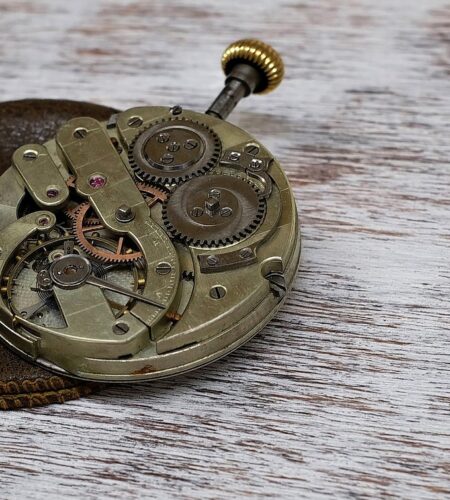
A photo can look like a bargain — until the watch arrives.
Scrolling listings, a promising microbrand shows 40% off, flawless studio shots and a seller with no feedback; the result is familiar unease about authenticity and after‑sales support. Simple checks cut most uncertainty. Request serial numbers, a stamped receipt or warranty card, close photos of dial, caseback and movement, and a timestamped video of the watch running and changing the date. Ask for purchase location and service history; inconsistent or evasive answers indicate high risk. A quick primer on what are microbrand watches helps clarify terminology.
Why microbrand fakes are common — and what to trust
Microbrands often use off‑the‑shelf movements, shared suppliers and small production runs. Those realities make convincing fakes easier: counterfeiters can source identical movements and similar cases, then swap dials, hands or branding. Limited serial tracking and less legal visibility also reduce the deterrent effect that protects larger brands.
What in a listing is relatively trustworthy
- Movement photos (clear, high‑res shots of the regulator, rotor and bridges) — harder to fake convincingly without opening the watch.
- Timestamped running video showing the winding and beat — demonstrates a working movement.
- Manufacturer confirmation of serial numbers or registration records when available.
What is easy to fake or ambiguous
- Studio photos and model shots (can be edited or taken from other listings).
- Boxes, papers, and certificates — these are often reproduced.
- External details like straps, crowns or caseback engravings — simple to swap or re‑engrave.
Practical step: request movement imagery and a timestamped video, then compare movement details to known reference photos before committing.
Step-by-step photo inspection checklist
-
Dial printing and alignment
Symptom: blurry text, uneven spacing, or misaligned hour markers. Likely diagnosis: aftermarket or poorly reproduced dial. Immediate fix: ask the seller for a crisp, straight-on macro (2–5x) of the entire dial and a close crop of any suspect text, timestamped and uncompressed.
-
Logo, indices and lume
Symptom: logo depth looks wrong, lume blobs vary in size, or lume fails to glow. Likely diagnosis: relumed hands/indices or cast-on fake parts. Immediate fix: request a charged lume photo in the dark plus a short video (5–10s) showing the glow, and a macro of the logo from an angle to show edges.
-
Case finishing and edges
Symptom: uneven brushing, wrong bevels, or rough lug holes. Likely diagnosis: incorrect case or low-quality finish. Immediate fix: ask for side-profile and lug-to-lug macros, plus a close shot of the brushing line and serial area with a coin or ruler for scale.
-
Caseback, engravings and serials
Symptom: shallow, misaligned, or absent engravings and inconsistent serial formatting. Likely diagnosis: swapped/generic caseback or fake engraving. Immediate fix: request a high-resolution photo of the full caseback and a separate tight crop of the serial, plus proof of original box/receipt if available.
-
Movement, rotor and plating
Symptom: generic movement looks different from brand specs or rotor decoration is off. Likely diagnosis: movement swap or cheap clone. Immediate fix: ask for photos of the movement with the caseback off (clear shots of caliber number and bridge finishing) and a short video showing the rotor winding.
-
Reverse-image search and video requests
Symptom: identical listing photos appear across different sellers or model numbers. Likely diagnosis: stock images, stolen photos, or widespread counterfeit. Immediate fix: run a reverse-image search (save image → images.google.com or TinEye → upload). Ask the seller for original uncompressed files and a timestamped video panning the watch on and off the wrist, showing crown action, case sides, and lume glow.
Short message templates:
“Please send uncompressed macro photos of the dial, caseback, and movement and a timestamped video.”
“Is this your actual watch or a stock photo? If actual, please send original files.”
Video checklist (5–10s clips):
full-watch panning shot on wrist
crown winding and date change
movement rotor winding (caseback off if possible)
charged lume in the dark
close macro of serial/engraving
Ask politely but firmly for originals; compressed images hide details.
Movement and caseback clues
The movement plate usually carries a caliber or manufacturer stamp; cross‑check that code with the brand’s spec sheet or official photos. Counterfeits often show generic or incorrect caliber numbers.
Rotors are commonly engraved with brand names or logos and have specific shapes; check engraving style, spelling, and whether the rotor design matches reference images. A rotor from a different maker or a crude logo is a red flag.
Finishing (perlage, Geneva stripes), screw types and balance wheel appearance should match known examples; poor plating, mismatched screws, or a visibly crude balance assembly indicate swaps or aftermarket parts.
Engraved model and serial numbers must match the paperwork and use consistent font, depth and alignment; shallow laser prints, stickers, or misaligned numbers commonly appear on fakes.
Verification steps to insist on:
Request a timestamped video showing the rotor, balance wheel, and movement plate (stop the rotor with a toothpick briefly). Ask for a clear close‑up of the caliber stamp and caseback serials. Compare fonts and engraving depth with official photos; when in doubt, contact the brand or an independent watchmaker for a quick opinion.Marketplace and seller red flags
Marketplaces attract both honest sellers and bad actors. Watch for simple, repeatable warning signs and insist on documentary proof before committing.
Common red flags
- New or empty seller account, few or no feedback entries.
- Price far below market, vague or typo-filled descriptions.
- Requests to communicate or pay off-platform (bank transfer, crypto, Venmo friends).
- Partial photos, refusal to show the movement or a timestamped video.
- Receipts or paperwork that look edited or show different model/serial.
Practical remediation
- Demand a timestamped video showing the running movement and visible serial number, plus full-caseback and crown close-ups.
- Ask for original receipt, service records, and the seller’s name on paperwork; request tracked shipping and a clear return window.
- Keep communications and payment on the marketplace or use escrow/PayPal Goods & Services or a credit card for chargeback protection.
- When unsure, send the watch for independent inspection—find where to get a watch authenticated and use a reputable local watchmaker.
Document everything; documented refusals are reasons to walk away.
Never transfer funds off-platform or accept verbal guarantees. No paperwork, no purchase — documented provenance and platform protections are the buyer’s best defense.
Packaging, papers and warranties: myths vs facts
They help but are often forged or sold separately; serials and dealer stamps must match brand records.
Boxes/cards are copied — request a stamped/dated card, original receipt, and verify the serial with the brand.
Not always — microbrands sell direct and papers can be lost in resale; a genuine watch can lack paperwork.
Ask for the original receipt, brand registration, or service history; if unsure, seek an independent check.
Seller promises differ from manufacturer warranties; brands may refuse to honor third‑party guarantees.
Request written warranty terms and written confirmation from the brand about coverage—especially on pre‑orders.
Borderline listing forensics
-
Reverse‑image and EXIF checks
Run images through Google or TinEye to spot recycled or stolen photos. Inspect EXIF for camera model, dates or editing software that indicate stock or manipulated images.
-
Price and listing history
Compare to recent sales and MSRP; unusually large discounts, repeated relistings, or brand-new seller accounts increase suspicion.
-
Pre‑order and stock scrutiny
Verify release dates, serial ranges and production photos. Refuse listings demanding upfront pre‑order payments without written terms or escrow.
-
Cross‑check movement and timestamped video
Match movement shots to known calibers and request a short timestamped video showing running seconds and crown operation to prove possession.
-
Patterns that merit a hard pass
Stock images reused elsewhere, mismatched logos or serials, evasive answers, refusal to use platform payments, or pressure to move off‑platform are grounds to walk away.
Top signals that require abandonment:
Photos found in other listings or brand sites. Serial numbers that don’t match known ranges. Seller refuses a timestamped video or independent check. Insists on wire transfer or off‑platform payment. Price far below recent comparable sales.Pass / Fail checklist and next steps
-
Immediate pass/fail flags
Fail if the listing has no timestamped video, the seller refuses movement photos, or the price is unrealistically low. Treat listings as passable only when serials, photos and video match known brand examples.
-
First requests
Request a timestamped video of the running watch, clear photos of the movement and caseback serials, and any original receipt or warranty card. Ask for the seller’s platform history and a selfie with the watch and today’s date visible.
-
Quick verification
Cross-check serials and engraving details against brand records, trusted forums, and archived listings. Poor finishing, inconsistent fonts, or misaligned stamps are immediate concerns.
-
When to get professional authentication
Seek a watchmaker or accredited authenticator for high‑value pieces, ambiguous paperwork, or if the seller is evasive. Insist the movement be opened by a trusted technician before purchase when doubt remains.
-
When to walk away
Walk away if the seller refuses video or platform payment, evidence conflicts, or the cost of authentication exceeds comfort. Losing a sale is preferable to inheriting a counterfeit.
Final verdict and next steps
- First ask for a timestamped video, movement photos and clear serial close-ups.
- Request professional authentication for high‑value or unresolved listings.
- Walk away if the seller resists evidence requests or documentation contradicts the watch.
Prioritize verifiable evidence first. Start by demanding a timestamped video and serial/movement close-ups; these answers eliminate most fakes. Use professional authentication when value or doubt justifies the cost, and be ready to walk away if the seller resists verification or offers contradictory paperwork.
Follow-up: I bought a microbrand with supposedly ‘custom rotor engraving’ but the rotor font looked off compared to the brand docs. The article’s movement and caseback clues section was spot on.
I contacted the seller, they offered a partial refund and I returned the watch. Lesson learned — ask for close-up movement photos before committing.
Glad the movement clues helped, Mike. When the rotor engraving font is inconsistent it’s often a red flag — genuine brands usually have consistent milling depth and typeface. For future buys, ask for a clear photo of the rotor at different angles and a short clip of the movement running (20–30 seconds). If the seller resists, treat it as a fail and either demand platform escrow or walk away.
I was skeptical about the packaging myths section but it’s true — I bought a watch that came without a box but with correct serials and paperwork. Got an independent auth and the watch was legit. So packaging alone shouldn’t be a showstopper.
Question for others: how often do sellers fake movement photos by swapping them from another watch? I had a listing where the movement picture was identical to one I’d seen on a forum a month earlier.
I asked for a timestamped video and a receipt, the seller sent a blurry clip and an old-looking PDF receipt. Felt off.
That’s a red flag for sure. I once matched movement photos to a forum post too. If the timestamped video is blurry or the receipt looks doctored, insist on platform payment and ask for the original receipt scan with purchase shop contact info. If they’re combative, walk away — too many ways to fake static photos.
Longer story: I almost paid for a ‘rare microbrand diver’ because the seller had nice photos and a convincing story. The borderline listing forensics checklist saved me.
I asked for: caliber stamp close-up, caseback serial under different lighting, and a timestamped crown-winding video per the article. The seller refused the crown video but offered more photos.
I pushed for a timestamped video and an independent auth. They dropped the price 20% and suddenly accepted returns only within 7 days — another red flag. Walked away and found the same model from a reputable seller for a bit more, but with full papertrail. Worth it.
PS: Packaging/papers can be recreated — always match serials to brand docs and insist on platform payment or escrow for higher-value buys.
Excellent instincts, Jenny. The combination of refusing a timestamped video and changing return terms mid-negotiation is classic marketplace red flag behavior. For high-risk listings, our advice is: 1) request timestamped video first, 2) demand platform-protected payment or verified refund policy, and 3) if still unsure, get independent auth before finalizing. Glad you found a reputable seller in the end.
Agree 100%. I added one more step when a seller is borderline — ask for a photo of the movement next to a printed page with the seller’s username and today’s date written on it. If they refuse, it’s probably fake or they’ve got something to hide.
Great checklist — I actually asked for a timestamped video last week and the seller suddenly got ‘camera issues’. Walked away. Quick tip: always check seller history and recent feedback first, that saved me time.