

From marathon splits to mountain rescues — which wearable actually earns its stripes?
Not all smartwatches are created equal. Some survive storms and multiday expeditions. Others obsess over VO2 and lap splits. Short sentence. Big difference.
Top Picks for 2025/26

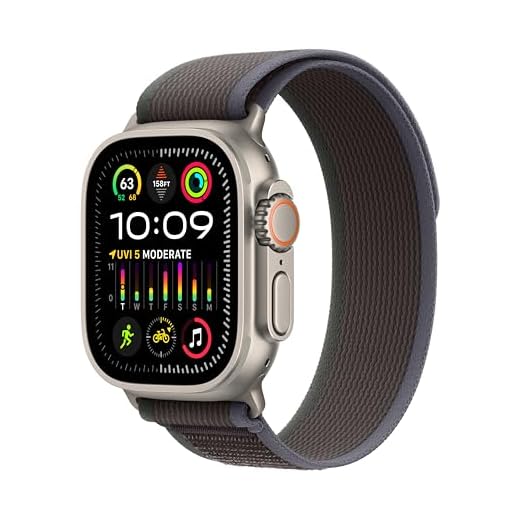

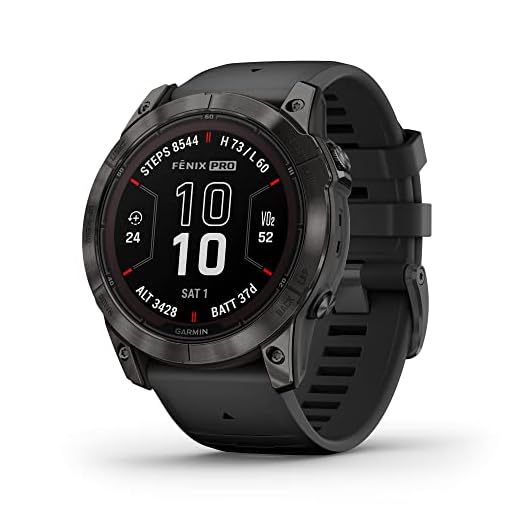


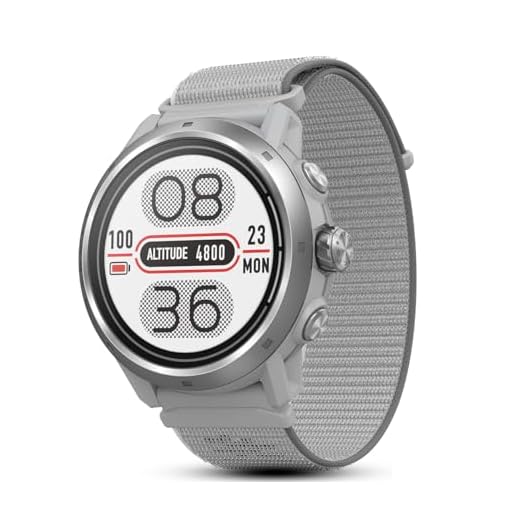
Apple Watch Ultra 3 Titanium Multisport
A rugged, high‑performance multisport watch built for long outings, water activities, and deep integration with the Apple ecosystem. It balances advanced sensors, satellite communications, and a tough titanium build for demanding users.
Overview
The Apple Watch Ultra 3 is Apple's most rugged, multisport‑focused smartwatch, designed for endurance athletes, divers, and outdoor adventurers who want deep health metrics, precise GPS, and the convenience of on‑wrist cellular and satellite communications. It pairs a titanium case and sapphire crystal with Apple's advanced sensors and software for a premium — and expensive — package.
Key features and what they do
Benefits and limitations
The Ultra 3 shines when you need a watch that can survive rough conditions while delivering a full feature set: precise mapping, robust workout data, and the convenience of notifications and calls without a phone. For people already invested in the Apple ecosystem, the interaction between watch and iPhone is seamless and powerful.
However, that level of capability comes at a premium price and with a larger case that may be uncomfortable for small‑wrist users. Battery life, while improved versus standard Apple Watches, still requires regular charging under heavy use (long GPS sessions, cellular, or satellite messaging).
Practical insights and use cases
Apple Watch Ultra 2 Rugged Fitness
A very capable adventure and fitness watch that extends battery life and keeps a bright, readable screen even in direct sun. It retains the Ultra feature set while offering a slightly more accessible price position than the latest generation.
Overview
The Apple Watch Ultra 2 is a full‑featured adventure smartwatch tailored for runners, cyclists, divers, and anyone who wants rugged hardware with long battery life and the Apple software experience. It keeps the titanium construction and precision sensors while focusing on usability for long outings.
Important specs and benefits
Practical trade‑offs
The Ultra 2 is an excellent choice for athletes and outdoor users who want Apple’s sensor suite and connectivity without upgrading to the very newest model. Its strengths are battery life and display clarity; the main trade‑offs are the watch’s large footprint and continued premium pricing compared with many GPS‑first watches.
Tips and use recommendations
Garmin Forerunner 965 AMOLED Running Watch
A dedicated running and triathlon watch with a bright AMOLED display, long battery life, and sophisticated training tools. It’s engineered for athletes who want detailed metrics, maps, and day‑to‑day training guidance.
Overview
The Garmin Forerunner 965 is a premium running and triathlon smartwatch built around a vivid AMOLED display and deep training analytics. It’s a practical tool for competitive athletes who want accurate tracking, maps, and actionable recovery guidance without the weight of a heavy multisport unit.
Standout capabilities
Strengths and trade‑offs
This watch balances high‑end training features with a pleasing display and robust battery life. Runners will appreciate the daily suggested workouts and race planning; triathletes will find the multi‑sport workflows dependable.
Garmin’s software focus is performance over consumer‑style polish, so smart features (apps, music controls, notifications) are present but not always as fluid as general‑purpose smartwatches. If you primarily want lifestyle or wellness features, another model might be more appropriate.
Practical user tips
Garmin fēnix 7X Pro Sapphire Solar
A battery‑focused multisport watch with solar assist, a durable sapphire lens, and powerful navigation and training tools. It’s built for long expeditions and serious outdoor use where uptime matters more than flashy colors.
Overview
The Garmin fēnix 7X Pro Sapphire Solar targets explorers and endurance athletes who prioritize battery life, reliability, and top‑tier navigation. Combining a Power Sapphire solar lens with a beefy battery and multi‑band GNSS, it’s designed to endure multi‑day adventures off the grid.
Core capabilities
Strengths and caveats
This watch’s strength is resilience: you can go longer between charges and still rely on accurate mapping and route guidance. It’s a top pick for backcountry navigation, long ultramarathons, and multi‑day bikepacking trips.
On the flip side, the transflective MIP display trades indoor vibrancy for outdoor readability and low power drain; if you prioritize a glossy AMOLED look, another model may suit you better. A few users report occasional divergences in wrist‑based HR or altitude readings, so critical medical or elevation‑sensitive tasks should use dedicated instruments.
Practical advice
Garmin epix Pro Gen 2 Sapphire Edition
A high‑performance Garmin that pairs a sharp AMOLED screen with advanced training tech and a rugged, premium build. It’s a top pick when you want the best visual experience without sacrificing outdoor features.
Overview
The Garmin epix Pro (Gen 2) Sapphire Edition combines Garmin’s comprehensive training and navigation ecosystem with a premium AMOLED display and a scratch‑resistant sapphire lens. It’s aimed at athletes who want vivid on‑wrist visuals plus pro‑grade sports features.
Notable features
Who it’s for and limitations
This model is perfect for people who prefer a bright, colorful display for maps and metrics but still need serious training and navigation tools. It bridges the gap between Garmin’s sports‑centric DNA and a modern smartwatch aesthetic.
The trade‑off is battery: AMOLED screens consume more power than MIP displays, so heavy GPS usage or long expeditions will reduce time between charges. If multi‑week battery life is a must, consider a sapphire MIP model instead.
Practical tips
COROS VERTIX 2S Long‑Life Adventure Watch
A rugged adventure GPS watch designed for multi‑day activity with exceptional battery life and accurate GPS tracking. It prioritizes reliability, simple operation, and durable materials for expedition use.
Overview
The COROS VERTIX 2S is built for extreme endurance and outdoor navigation: it offers an exceptionally long battery life, robust materials, and reliable satellite performance in a compact, easy‑to‑operate package. The focus is on core navigation and training functionality, with an emphasis on longevity and simplicity.
Key strengths
Considerations
COROS emphasizes performance and battery over smartwatch polish. That pays off if you need a no‑nonsense tool that lasts, but the platform has fewer integrations and third‑party app options than larger ecosystems. Users who expect a full suite of watch apps, onboard music streaming, or contactless payments may find the offering limited.
Best use tips
Garmin Venu 3 AMOLED Health Smartwatch
A well‑rounded health and lifestyle smartwatch with a vibrant AMOLED screen, strong battery life, and extensive wellness features. It focuses on everyday coaching, sleep and stress insights, and built‑in audio for convenience.
Overview
The Garmin Venu 3 is targeted at users who want a stylish, full‑featured health smartwatch with long battery life and a large AMOLED screen. It emphasizes daily wellness — sleep coaching, Body Battery energy tracking, and guided workouts — while offering enough sport features for most recreational athletes.
Feature highlights
Pros and practical limitations
The Venu 3 is one of the best choices if you want a visually appealing watch that supports lifestyle features and health coaching while still providing accurate daily activity tracking. It’s particularly useful after a cardiac event or for users monitoring recovery; several reviews noted reliable heart metrics compared with medical devices.
For elite athletes pushing long events or multi‑day expeditions, the Venu 3’s battery and navigation capabilities can be limiting compared with specialized multisport devices.
User tips
COROS APEX 2 Pro Outdoor GPS Watch
A capable outdoor GPS watch that balances battery life, dual‑frequency positioning, and competent training features at a competitive price. It’s a smart choice for athletes who want accuracy and endurance without the top‑tier price tag.
Overview
The COROS APEX 2 Pro targets outdoor athletes who want accurate GPS, long battery life, and practical navigation features in a well‑built package. With dual‑frequency GPS and a sapphire/titanium build, it brings features often found in higher‑priced watches into a more value‑oriented offering.
Feature summary
Strengths and limitations
The watch stands out for packing strong GPS performance and impressive battery life into a relatively affordable device. For athletes focused on accurate route tracking and long events, the Apex 2 Pro is a pragmatic pick.
Limitations include a smaller ecosystem for third‑party apps, fewer smart features like contactless payments, and a more utilitarian software experience compared with Apple or Garmin. If you require deep smartwatch functionality in addition to sports metrics, consider the trade‑offs.
Practical recommendations
Final Thoughts
Top pick — Apple Watch Ultra 3 Titanium Multisport (Best for Extreme Outdoors and Athletes)
If you live in the Apple ecosystem and need a single device that can handle long multisport days, open-water swims, backcountry navigation, and satellite communications, the Ultra 3 is the clear winner. Strengths: rugged titanium build, advanced sensors, deep Apple Health and iPhone integration, and features aimed at athletes who also want smartwatch polish. Buy this if you want best-in-class outdoor features with seamless iPhone connectivity.
Runner/triathlete pick — Garmin Forerunner 965 AMOLED Running Watch (Best for Serious Runners and Triathletes)
If your primary focus is structured training, long runs, triathlons, and precise performance metrics, choose the Forerunner 965. Strengths: advanced training tools, clear AMOLED maps and metrics, excellent GPS and running dynamics, and long runtime for multi-hour sessions. Buy this if you want detailed coaching data, multi-sport support, and a watch built around performance rather than phone-first features.
Really helpful list — I’m leaning toward something with a bright AMOLED for everyday use but decent outdoors chops.
My thoughts:
1) Garmin epix Pro (Gen 2) looks nice for the AMOLED and training metrics.
2) Venu 3 seems great for daily health tracking and sleep.
3) But the Forerunner 965 might be the sweet spot for runners who still want a colorful display.
Also, are there big app/ecosystem limitations if I switch from Apple to Garmin? I use a few paid Apple Watch apps rn and I don’t want to lose key features. (Sorry for the long post, lots to consider 🙈)
I switched from Apple Watch to a Garmin Venu 3 last year. If your priority is training and battery, Garmin’s ecosystem covers most bases. If you rely on Apple-only features (like unlocking Mac or Apple Pay on watch), that’s the tradeoff.
Good summary, Maya. Ecosystem-wise: if you go from Apple to Garmin you’ll lose native Apple Watch apps and deep iPhone integration (e.g., Apple Wallet, some third-party watchOS apps). Garmin’s ecosystem is strong for training, maps, and analytics but different. Many people use Garmin Connect + Strava and get everything they need for fitness.
Also check whether the specific app you use has a Garmin equivalent. Most big players do (Strava, MyFitnessPal), but niche apps might not.
I love how this list tries to cover everything from ‘I’m a weekend warrior’ to ‘send help, I’m on Everest’. 😂
Quick opinions:
– Apple Watch Ultra 2 seems like the better value if you don’t need the absolute newest sensors on the Ultra 3.
– COROS VERTIX 2S’s 40 days battery stat feels like marketing until you actually use the maps and navigation a lot.
– Garmin Forerunner 965 is basically the runner’s wet dream — lots of data, lots of geekery.
Anyone got experience with epix Pro’s sunlight visibility? AMOLEDs look gorgeous but can struggle outdoors.
Lol @ ‘runner’s wet dream’ — accurate. The Forerunner 965’s training plans are wild. If you’re a metrics person, get it.
I have the epix Pro — it’s bright enough for most of my runs, but on a super sunny alpine ridge I sometimes had to angle my wrist and crank brightness. Still worth it for the visuals imo.
AMOLED screens (like on the epix Pro) are excellent for brightness and contrast, but direct sunlight legibility can vary vs transflective displays. The epix Pro is among the better AMOLEDs for outdoor use because of high brightness, but if you spend all day in harsh sun a transflective screen (fenix / Forerunner) may maintain readability with less battery impact.
Sunlight: epix Pro handled urban runs fine for me. But on snow or water reflections I’d rather have a transflective display that doesn’t force high brightness.
Agree on the Ultra 2 call — it’s more budget-friendly and still very capable unless you specifically want Ultra 3’s new sensors or features.
Great roundup — thanks! I’ve been torn between the Apple Watch Ultra 3 and the Garmin fēnix 7X Pro for weekend backcountry trips. The Ultra 3’s satellite comms and titanium build sound tempting, but I love the fēnix’s solar battery life.
Anyone used both in rough weather? Which one held up better for multi-day hikes?
I did a 3-day loop last month and brought the fēnix 7X Pro. Battery lasted with moderate map use + flashlight for an evening, and the navigation was rock-solid. The Ultra 3 feels more ‘responsive’ but I worry about battery on longer trips.
Thanks for the question, Ethan. In our testing the Ultra 3 excels at comms and on-device emergency features (especially if you’re tightly in the Apple ecosystem), while the fēnix 7X Pro wins on pure uptime with solar assist. For multi-day hikes where you might go long without charging, fēnix tends to be more reliable; for safety features and reactivity, Ultra 3 is better.
Great article — super useful. A few thoughts from someone who flips between desk life and weekend climbs:
– epix Pro (Gen 2) = gorgeous display and great for training days when I want graphs on the go.
– fēnix 7X Pro = literal beast for camping and multi-day treks. Solar charging saved me on a 5-day backpack.
– COROS VERTIX 2S: the battery claims are insane and actually helpful for long trips.
But a warning: if you really want third-party apps and a polished smartwatch experience outside fitness (music, payments, notifications), Apple ecosystems still win hands-down. I carry an Apple Watch for city life and a Garmin/COROS for the mountains 😂
Anyone else run a dual-watch setup?
Dual-watch setup is common among our reviewers — one daily smartwatch for apps and one rugged watch for outdoor reliability. It’s a bit extra but practical for people who need both worlds.
Same here — Apple for everyday, Garmin for long rides. The sync between systems (Strava, TrainingPeaks) works well enough to justify it.
I used to do the dual-watch thing but got lazy — now I try to pick one that covers 80% of my needs. Still tempted to go back to two watches for long trips.
For the triathletes here — does anyone find the Forerunner 965’s swim metrics noticeably better than other models? I’m training for my first Oly and want solid open-water tracking and transitions. Also curious about GPS track accuracy in tighter coastal coves.
I used a 965 for a sprint tri last year — transitions were easy to manage with button shortcuts and the swim stroke detection was accurate enough. Open-water GPS was decent, but on narrow coves I saw some wobble (but nothing horrible).
For open-water accuracy, try enabling multi-band if available and make sure the watch has a clear sky view. It helped my coastal swims.
The Forerunner 965 is strong for triathlon use: good multisport profiles, swim metrics, and GPS. Its dual-band positioning (in later Garmin models) and mapping help in coastal coves, but GPS accuracy can still vary with satellite visibility. If you need top-tier navigation for complex routes, consider fēnix series or epix Pro with mapping as alternatives.
If you’re mainly a runner/triathlete, Forerunner 965 is better than the Venu 3 — it’s more sports-focused and lighter on the wrist for swims.
Not going to lie — COROS APEX 2 Pro looks like a bargain on paper. Dual-frequency GPS + 30-day battery? Sounds too good. Has anyone had issues with the software or map availability? I remember COROS having fewer map options vs Garmin.
I had an APEX model previously — navigation was solid for planned routes but the interface is a bit clunky compared to Garmin’s map UI. If you’re price-sensitive and want GPS accuracy + battery, it’s a strong choice.
You’re right to flag maps — COROS has improved its maps and route planning but still lags behind Garmin in map depth and third-party integration. Software is fine for most users but the ecosystem isn’t as mature as Garmin’s or Apple’s.
Anyone have direct comparisons between Ultra 2 and Ultra 3? I’m tempted to save money on the Ultra 2 if the differences are minor.
Main concerns: battery life, ruggedness, and whether the Ultra 3’s new features are actually worth the premium. Also: how necessary is cellular on these models if I mostly hike locally?
I sold my Ultra 2 after trying Ultra 3 — the upgrades were nice but not life-changing for my use. If you’re on a budget, stick with Ultra 2.
If you’re price-conscious, Ultra 2 is the smart buy. Ultra 3 is for people who want the newest features and maximum future-proofing.
Cellular: I use it rarely but it’s nice for emergency situations. Depends on whether you want to carry your phone.
Ultra 3 introduces incremental sensor and software updates — improved performance and some advanced health metrics — but Ultra 2 remains very capable and is often the better value. Cellular is useful for SOS and leaving your phone behind, but if you hike locally and keep your phone nearby, GPS-only (non-cellular) is usually fine.