

Tiny band, big data — which ring will outsmart your smartwatch (and actually track your ZZZs)?
A smart ring can know more about your sleep than your partner. It quietly collects heart rate, SpO2, HRV and motion while you live your life. Small device. BIG insights.
Think of this as a fast map to the best rings for fitness and sleep in 2026. Short takes, clear strengths, and one-line reasons to consider each ring. No fluff. Just facts.
Top Picks for 2026


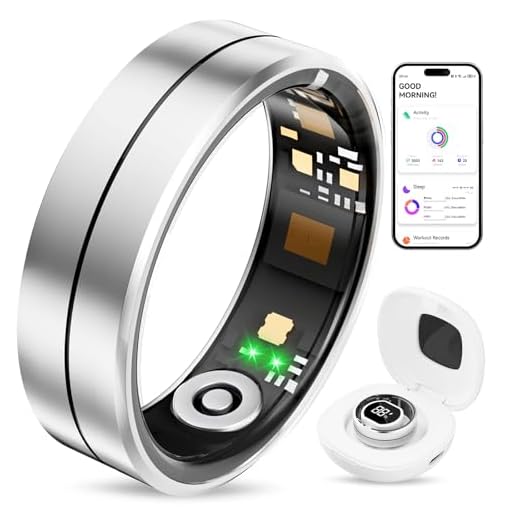

RingConn Gen 2 Air Smart Ring
Delivers advanced, continuous health tracking with AI-powered insights and multi-sensor accuracy. Excellent battery life and a refined, ultra-thin design make it comfortable for all-day wear and overnight monitoring.
What it is and who it's for
The Gen 2 Air is an ultra-thin smart ring focused on continuous biometric monitoring and AI-driven insights. It's intended for users who want in-depth sleep, heart rate, stress and activity analysis in a discreet form factor without wearing a watch.
Key features and benefits
The ring combines multiple on-board sensors with an AI assistant to present trends and personalized recommendations. Core benefits include:
These features make it a strong choice for somebody who wants clinician-style trend data and suggestions for improving sleep or stress management without investing in bulky hardware.
Practical insights and limitations
In daily use the ring is comfortable during exercise and sleep; its slim profile reduces interference with hand tasks. Users should be aware of a few practical considerations:
Overall, this model strikes a balance between clinical-class data and wearable comfort. If you value AI-driven recommendations and long battery life in a low-profile device, it’s an excellent pick. Charging routines are straightforward, and standard features are available without an ongoing subscription, which reduces long-term cost of ownership.
OULENCU 2025 Smart Ring — Sleep Focused
Excels at sleep-stage detection and overnight biometric clarity while remaining compact and comfortable. Good battery life and a no-subscription app make it a compelling choice for sleep-focused users.
Sleep-first design philosophy
OULENCU's 2025 ring centers on getting sleep tracking right. Its form factor avoids large protruding sensors, making it comfortable to sleep in, and the company's software emphasizes sleep staging and a Sleep Index to help users interpret nightly metrics.
Feature highlights and benefits
Major strengths lie in overnight monitoring and daily trend clarity. Users can expect:
Several reviewers singled out consistent sleep detection and the absence of bulky sensor bumps as strong positives.
Practical notes
A small caveat: the charging cradle requires precise alignment which can be a minor annoyance at night. Also, early-generation firmware occasionally receives updates to refine accuracy, so plan for periodic software improvements.
If sleep insights are your top priority, this ring offers excellent value: it’s comfortable overnight, provides detailed stages, and won’t lock useful features behind recurring fees.
Giwbeiv Smart Ring — Well-Rounded Tracker
Offers a comprehensive set of metrics including HRV and stress tracking with a user-friendly app experience. Good battery life and strong value make it an attractive everyday wellness companion.
Overview
Giwbeiv presents a versatile smart ring built for everyday wellness tracking. It combines a broad sensor suite (including HRV and stress metrics) with straightforward app-based visualizations that make trends easy to understand.
Core strengths
The ring’s most valuable traits are its balanced feature set and friendly software. Users will appreciate:
The companion app is often mentioned positively in reviews for its clarity and the lack of subscription barriers.
Practical usage tips and limitations
Sizing reports indicate the ring may run slightly small on some batches, so measure before ordering and consider sizing up if between sizes. While the analytics are useful for daily decisions, athletes or clinical users seeking the most granular data may prefer higher-tier models.
Overall, this ring is a smart pick for someone who wants a trustworthy, full-featured tracker that stays out of the way and provides clear, actionable information without ongoing fees.
Lemolf Smart Ring with Air Gestures
Combines reliable biometric monitoring with thoughtful extras like air gestures and BLOOD PRESSURE readings. Attractive design and no-subscription policy deliver strong value for a mid-priced ring.
What sets it apart
Lemolf pairs comprehensive health tracking with convenient extras such as air gestures. That combination is ideal for users wanting both detailed metrics and hands-free controls for phone interactions or media.
Highlights and everyday benefits
Core functionality covers heart rate, blood oxygen, sleep staging and even blood pressure estimates. The ring also supports air gesture interactions that let you control basic phone actions without touching the screen. Advantages include:
Reviewers frequently highlight good parity between this ring’s biometrics and more expensive models, particularly for sleep and HR trends.
Real-world considerations
Air gestures are useful but require some practice; if you mainly want passive tracking you can ignore the feature. The companion app provides essential insights but lacks some of the polish of flagship vendors.
This ring is a compelling pick if you want extra interaction features plus solid health metrics at a mid-range price — just be prepared to spend a little time configuring gestures and ensuring a snug fit for reliable data.
Tiantianka Rose Gold Health Ring
Combines attractive rose-gold aesthetics with solid tracking of heart rate, SpO2, sleep, calories and steps without subscription fees. Well-suited for users who want their tracker to double as jewelry.
Style meets function
This rose-gold smart ring is explicitly designed for users who want a wearable that looks like jewelry while offering everyday health tracking. It tracks heart rate, blood oxygen, sleep, calories and steps in a compact, fashionable package.
Features and daily benefits
The ring offers a clean user experience with reliable passive monitoring and a simple app. Typical benefits include:
Users often compliment the ring’s look and comfort—many treat it as their primary wearable for both health and style.
Considerations
If you’re an athlete seeking highly granular training metrics or clinical-level accuracy, this model isn’t aimed at that market. Accurate readings depend on proper sizing; consult the vendor’s sizing kit or guidance for best results.
For anyone who prioritizes wearable aesthetics while still wanting dependable health tracking without subscription fees, this ring is an appealing, well-balanced option.
Smart Health Ring — Value Fitness Tracker
Provides reliable heart rate, SpO2 and sleep tracking at a very accessible price point with no subscription fees. Good fit for users who want essential biometrics without a high upfront cost.
Overview
This entry-level health ring focuses on delivering the core metrics most people care about — heart rate, SpO2, sleep, and steps — while keeping the price low. It targets budget-conscious users or those new to ring-style wearables.
What's included and how it performs
Hardware is compact and lightweight; the companion app is straightforward and requires no recurring fees for basic tracking. Typical benefits include:
Reviewers commonly praise the value proposition and comfort; for many users the ring delivers enough accuracy to inform daily health choices without the premium price tag.
Practical considerations
A few real-world caveats:
If you want a budget-friendly, no-subscription device that covers basic biometrics and sleep tracking, this ring is a sensible starting point. Be sure to order a sizing kit or follow the seller’s sizing guidance to get the most accurate readings.
Black Smart Health Ring — No Fee
Provides reliable daily health metrics and sleep monitoring while avoiding subscription fees, packaged in a stylish black finish. Works well for users who want consistent core tracking without bells and whistles.
Summary
This black variant emphasizes practicality: a comfortable, attractive ring that tracks heart rate, SpO2, sleep and steps with no recurring fees. It’s designed for everyday wellness monitoring rather than clinical diagnostics.
Key strengths
The product excels at giving users actionable daily metrics and sleep overviews. Notable benefits include:
Users appreciate the balance of style and function — it looks like jewelry while quietly conducting health tracking in the background.
Practical notes
Be mindful of the usual limitations for mid-range rings: sensor accuracy can be slightly variable depending on fit and finger temperature. Ordering a sizing kit or following the vendor’s sizing recommendations will reduce measurement error.
Overall, this ring is a dependable, low-maintenance option for someone who wants core biometrics without an ongoing subscription or the heft of a smartwatch.
FKGZJF Smart Ring — Sleek Wellness Tracker
A stylish, discreet ring that provides dependable heart rate, SpO2 and sleep tracking. Well-suited to users who prioritize aesthetics alongside basic health metrics and battery longevity.
Design and intent
This FKGZJF ring is designed to look like a conventional piece of jewelry while delivering background health monitoring. It appeals to users who dislike the look of conventional wearables but want basic biometric tracking.
Capabilities and user experience
The ring provides key metrics—heart rate, SpO2, HRV and sleep—packaged in a minimal and lightweight build. Typical user benefits include:
Feedback commonly praises the comfortable fit and the convenience of a compact charging case.
Considerations
If you’re after deep analytics or clinical-level data interpretation, this model won’t match premium competitors. Also, sizing guidance is important: reviewers recommend purchasing a sizing kit or adding one size if unsure.
In short, this ring is a great choice for people who want a stylish, unobtrusive tracker that covers the essentials well and looks good doing it.
Fitness Health Ring — Core Biometrics
Good all-around performance for heart rate, SpO2, and sleep with straightforward app controls and no subscription costs. A dependable option for everyday users and gift buyers.
Purpose and target user
This ring is aimed at someone who wants reliable core biometrics—HR, SpO2, sleep, steps—without complex settings or high cost. It’s a practical choice for users looking for reliable data in an unobtrusive form factor.
What it does well
Expect consistent day-to-day tracking and a companion app that focuses on readability rather than complex analytics. Typical advantages include:
The device's simplicity is a selling point for many customers who prefer clear metrics over feature overload.
Limitations and buying tips
If you want advanced training guidance, HRV coaching, or clinical-grade accuracy, consider higher-end models. Also, double-check sizing before purchase—accurate fits lead to better data quality.
For shoppers seeking a dependable, no-fuss tracking ring that covers the essentials, this model represents a balanced, affordable option.
Mexlyca Basic Fitness Smart Ring
Delivers straightforward step counting, heart rate and sleep monitoring at a rock-bottom price. Best suited for casual users or as a first trial of ring-based tracking rather than precision-focused health monitoring.
Who should consider it
This is a true budget smart ring targeted at consumers who want a lightweight tracker to monitor steps, sleep, and heart rate without spending much. It's a pragmatic option for casual fitness users or those curious about ring wearables.
Feature set and user experience
The device focuses on core metrics and is easy to pair with a companion app. Typical strengths include:
That simplicity is attractive, but it also means the ring lacks the advanced sensors and refined algorithms of pricier models.
Limitations and tips
A notable downside in some reviews is inconsistent battery performance—one report mentioned a charge lasting less than a day. Follow sizing instructions closely to improve sensor contact and accuracy.
If your goals are casual tracking and affordability, the trade-offs are acceptable. If you seek clinical-grade consistency or extended battery life, consider investing in a higher-tier model.
For budget-conscious folks: I got the ‘Smart Health Ring’ (silver, 8#) as a first ring. It’s basic but reliable for steps and sleep. Don’t expect the AI smarts of RingConn, but at this price it’s a good starter — saved me a lot compared to premium rings.
Agreed. Bought one for my partner to test the form factor — he now wants the RingConn after a month of use. Starter ring worked perfectly for that purpose.
Solid point. The budget rings are great for getting used to ring-based tracking before investing in higher-end models with advanced analytics.
Long post below — sorry 😅
I’ve struggled with stress for years and I’m considering a ring primarily for HRV and stress monitoring. The Giwbeiv and the silver ‘Smart Rings for Women Men’ both list HRV/stress features. Can someone compare them for day-to-day stress tracking, notifications, and whether they helped with behavior change? I want something that nudges me to breathe or move when I’m stressed.
I use HRV alerts from my ring to remind me to take micro-breaks. It helped reduce afternoon anxiety spikes. Definitely choose the one with better app nudges.
Also check battery trade-offs — if you need continuous HRV sampling for stress, expect slightly shorter battery life. But most of these rings manage a good balance.
No worries, great question. Giwbeiv is strong on HRV and stress analytics with clearer actionable insights in the app (breathing prompts, trend alerts). The other silver model will track HRV but its app is more basic. For behavior change, look for rings with guided breathing features and customizable alerts — Giwbeiv would likely be better for your needs.
Does anyone use these rings with iOS health apps (Apple Health)? I want my ring data to integrate rather than having to open multiple apps. Which of the rings on the list have the best cross-platform sync?
Several rings on the list offer iOS syncing. RingConn and Giwbeiv both have solid iOS integrations and can push core metrics to Apple Health. Always check the product description and app permissions to confirm which metrics are supported for export.
If Apple Health sync is a priority, prioritize models that explicitly list Apple Health / Google Fit compatibility in their feature set.
RingConn syncs nicely for me. Giwbeiv needed a quick settings tweak, but once enabled it’s fine. The cheapest rings sometimes only export basic data.
Does anyone have sizing tips? I ordered a size that felt okay but the ring moved during strength training (deadlifts) and caused missed readings. Returns are a hassle — any tricks to get a snug fit without buying multiple sizes?
Also try wearing it on a different finger temporarily during workouts. I switched mine to the middle finger for lifting and it’s stayed put.
Sizing can be tricky. Best tips: measure finger size at the end of the day when it’s largest, avoid placing the ring on the knuckle if it slides, and a snug fit (not painfully tight) usually gives better readings. Some brands include fitting kits — check the seller page.
I use a silicone ring guard (tiny insert) to tighten rings that are slightly loose. Cheap solution and works for workouts.
Good call on silicone guards — and if the brand offers a free sizing kit, always request it before finalizing the fit.
Humor me — who else here buys the prettiest-looking ring instead of the most accurate one? 😂 I’m looking at the Rose Gold ‘Ring Health Tracker’ because aesthetics matter for me. Does it actually track SpO2 decently?
Haha, plenty of people prioritize aesthetics — that’s exactly why we included that Rose Gold pick. It tracks SpO2 adequately for trend monitoring, but don’t rely on it for medical decisions; it’s more for wellness awareness.
Guilty as charged — I own two rings. The rose gold is my ‘going out’ ring. Works well for basic SpO2 checks.
I have the rose gold — compliments all the time. SpO2 is fine for general use. If you’re monitoring a condition though, get medical-grade.
Small rant: why do some listings say ‘No APP Subscription’ but still push premium features behind a paywall? 🤨 Which of these are truly fully functional with the free app?
Fair rant — marketing language can be confusing. In our roundup, items clearly labeled ‘No APP Subscription’ provide core features (HR, SpO2, sleep, steps) without recurring fees. Advanced analytics or cloud backups may be optional paid extras. We noted the RingConn Gen 2 Air as having no app fee for standard features — that means most day-to-day functions work free.
If in doubt, check the app screenshots and reviews on the product page to confirm which features are gated.
Yep, read the fine print. Core tracking is usually free; it’s the long-term trend exports or AI dashboards that sometimes cost extra.
I’ve been tracking steps and sleep with one of the ‘Solid all-rounder’ black models and it’s been rock solid. Not flashy, no subscription — just consistent baseline data which is all I need. Sometimes simple is better.
Same here. I swapped from a smartwatch to a black ring for less fuss and better sleep comfort. No regrets.
That’s exactly what many users want — reliable core metrics without the ecosystem lock-in. Glad it’s working for you.
I’m torn between the Giwbeiv and Lemolf. I like the Giwbeiv’s app support, but Lemolf’s air gestures sound cool. Has anyone used air gestures in daily life or is it a gimmick?
Giwbeiv’s app is the reason I chose it — data visuals are clearer and I like the HRV trends. If you want insights, pick Giwbeiv; if you want toys, get Lemolf 😄
I tried gestures for a week — felt a bit gimmicky at first, but now I use them to pause music when washing dishes. Not necessary, but a fun bonus.
Air gestures can be handy for quick controls (like skipping songs or silencing calls) but their usefulness depends on how responsive they are in your environment. If you want strong biometric accuracy, prioritize sensor quality over gestures.
Love that there’s a range from flashy to budget. Curious if anyone has compared battery life across the list? RingConn claims 10 days, budget ones seem 4–6. Real-world numbers? I’m trying to avoid daily charging.
Tip: schedule a short daily top-up (5–10 minutes) in the evening to avoid long full charges and keep it plugged occasionally during desk work for convenience.
Real-world battery varies by usage: RingConn Gen 2 Air often hits 7–10 days depending on continuous sensors; mid-range rings usually last 5–8 days; the cheapest sometimes 3–5 days. For minimal charging, pick the highest-rated battery option.
I charge once a week and that’s perfect for me. Battery anxiety is real but manageable.
I get about 9 days on RingConn with sleep tracking but I turn off continuous SpO2 sampling. If you enable every sensor you’ll see a drop.
Anyone tried the very affordable ‘6.2 out of 10’ entry-level ring? I’m curious if it’s worth it as a backup device for travel (cheap, replaceable) or if it ends up being junk. My worry: inconsistent HR readings.
If you want a cheap backup that won’t break your heart if lost, go for it. But don’t depend on it for serious health tracking.
Also check return policies — cheaper rings sometimes have limited warranties but for travel replacement purchasing in the destination country could be practical.
I used the entry-level one on a backpacking trip and it survived rain and bumps. Data wasn’t perfect, but I got usable trends and it was stress-free to lose it if needed.
Good use-case — entry-level rings can be great as travel backups. Expect lower sensor fidelity and occasional inconsistency, but for steps and general sleep trends they’re usually fine. Just don’t rely on them for precise HR zones during training.
I bought the RingConn Gen 2 Air last month and I’m honestly impressed — the AI insights actually highlighted sleep patterns I hadn’t noticed. Battery life really lasts about 8–9 days for me with continuous HR tracking, not the full 10 but close. Anyone else find the ultra-thin design super comfy for typing all day?
Thanks for sharing, Emily — glad it’s working well for you. The 10-day figure is under light usage; continuous tracking can reduce it a bit. If you go into power-saving mode it usually hits the 10-day mark.
Nice — thinking of getting one. Does it feel bulky under winter gloves? I wear gloves a lot and worry about comfort.
Yep, same here — comfy and pretty discreet. I get about a week with sleep tracking on. If you do a lot of workouts it drains faster though.
I appreciate that many options avoid subscription fees — I don’t want another recurring charge. But does avoiding a subscription mean fewer updates or less support long-term? Anyone worried about longevity/support for the cheaper brands?
If you depend on a device long-term for health tracking, consider a slightly more established brand even if it costs a bit more upfront.
Good concern. No subscription doesn’t automatically mean poor support, but smaller brands may have less robust long-term firmware updates. Look at brand reputation, update history, and refund policies. The review badge in our list flags those with stronger ongoing support.
I’ve owned a no-subscription ring for two years and got a couple firmware updates. So it’s possible, but check recent review timelines before buying.
Quick question: for the ‘2025 Smart Ring for Women Men’ (the sleep-focused one) — how accurate are the sleep stages? I primarily want REM/deep tracking. Reviews say it’s best for sleep analysis but curious about real-world reliability.
Great question. That model uses refined algorithms for sleep-stage detection and tends to give consistent REM/deep estimates compared with polysomnography-adjacent devices, but expect some variance vs. lab-grade gear. For trends and improving sleep habits it’s solid.
I use it nightly and the REM times seem believable. It caught when I had a bad jet-lag night vs a normal night. Not perfect to the minute, but useful for trends.
Also worth noting: ensure the ring is snug but not tight during sleep — poor fit can affect stage estimation.
If you’re after clinical accuracy, nothing beats a sleep study. But for consumer-level tracking it’s one of the better sleep-focused rings imo.