

Start Smart: Why Vintage Watch Care Matters
Vintage mechanical watches are delicate, historically valuable treasures that can last decades with proper care. This guide gives beginners clear, practical steps to inspect, clean, wind, maintain, and store watches safely, helping preserve function and value and historical significance too.
What You’ll Need

The Ultimate Guide to Watch Maintenance: Keep Your Timepiece Perpetually Precise
Step 1 — Identify and Inspect: Know What You’re Dealing With
Is it a genuine heirloom or a clever knock-off? A few minutes here can save hundreds later.Examine the caseback, dial, and any visible movement markings carefully without forcing parts open.
Check these key items:
Note the watch’s age, brand, and model; use serial/reference numbers to research parts availability and service complexity (for example, popular ETA calibers are easier to service than rare in-house movements).
Photograph everything for records and future reference.
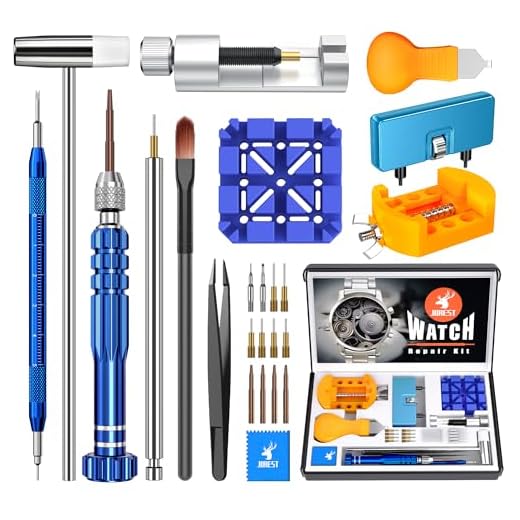
Step 2 — Clean the Case and Crystal Safely
A sparkling watch makes you smile — but aggressive cleaning can kill a classic. Gentle wins.Remove the strap or bracelet before you start. Detach spring bars or use a strap tool to avoid scratching the lugs.
Clean metal bracelets with a soft brush and mild soapy water; rinse quickly and dry immediately with a lint-free cloth. For a folded-link 1960s bracelet, scrub between links gently with a soft toothbrush and pat dry.
Wipe the vintage case with a barely damp cloth — never soak the case. Keep the crown pushed in or screwed down and avoid pressing pushers while cleaning. Tilt the watch face away from gaps to prevent moisture ingress.
Polish the crystal with a lint-free cloth and a tiny amount of jeweler’s cleaner. For light scratches, test a small hidden spot; use non-gel toothpaste sparingly as an alternative and rinse well.
Follow these material rules:

Step 3 — Winding, Setting, and Daily Handling Best Practices
Wind like a pro: gentle, regular, and respectful — your movement will thank you.Wind the watch gently and deliberately. Many vintage manual movements wind clockwise (turn crown toward 12), but some wind counterclockwise — check your maker’s notes or test by feeling the natural resistance. Stop when you feel firm resistance; do not force more turns. As a rule of thumb, expect about 20–40 full turns for a typical full-wind, fewer for small movements.
Set the time by moving the hands forward whenever possible. Advance the minute hand past your target and then move forward to it rather than backing up. Avoid changing the date between about 9:00 PM and 3:00 AM to prevent damaging the date-change gears.
Handle the crown and stem with care. Pull the crown straight out; turn smoothly. If the crown feels stiff, stop and consult a watchmaker — never yank or force it.
Establish a simple daily routine: wind your manual watch at the same time each morning before putting it on. Avoid wearing vintage watches in the shower, while swimming, or during heavy manual work — for example, remove the watch before gardening or lifting weights.

Step 4 — When and How to Lubricate or Service (Know Your Limits)
Polishing isn’t maintenance — professional servicing is. DIY lubrication is a high-stakes skill.Recognize service intervals and common failure signs: schedule full service every 3–7 years and check for running fast/slow, skipping beats, stopped movement, or visible corrosion (e.g., rust around the dial or crown).
Watch for subtle examples: a watch that gains several minutes a day or that stops after being off the wrist overnight needs attention.
Keep minor maintenance to owner-safe tasks:
Avoid disassembling the movement yourself. Reserve full movement lubrication, part replacement, and timing regulation for trained professionals with the right tools and oils; improper oils or excess lubricant will damage pivots and jewels.
If you choose to DIY, use correct, watch-specific lubricants sparingly, follow movement-specific step-by-step guides, and practice on inexpensive or donor movements first.

Step 5 — Long-Term Storage and Insurance: Protect Its Future
Store like it’s an heirloom — because it might be. Small steps prevent big losses.Store watches in a cool, dry place away from magnets and direct sunlight. Put them in a drawer or closet — not on a windowsill or near speakers — to avoid heat and magnetic fields.
Pack watches using watch rolls or rigid boxes with soft padding and silica gel packs to control humidity. Use individual compartments so metal never rubs metal. Example: wrap the watch in a microfiber cloth, place it in a padded roll, then add a silica packet.
Stop the movement for true long-term layup by letting it run down naturally; avoid forcing the crown. Run the watch every 6–12 months for ~10–15 minutes to redistribute oils and keep seals in decent condition.
Photograph and document: take clear photos of the dial, caseback, movement, and serial numbers. Scan appraisals, service receipts, and provenance; store copies in the cloud and on an external drive.
Consider insurance: check homeowner policy limits, then explore a scheduled personal property rider or specialized collectors’ insurance. Provide photos and recent appraisals to insurers for accurate coverage.

Keep Learning and Respect the Craft
With inspection, gentle cleaning, correct winding, timely servicing, and smart storage, beginners carefully can preserve vintage watches for generations; when in doubt, consult a qualified watchmaker; will you safeguard theirs?
Old hobbyist chiming in: this guide would’ve saved me a few mistakes 20 years ago. One anecdote — I tried to DIY a polish on a plexi crystal and ended up with swirl marks; Polywatch fixed it though. Still, patience is key with vintage stuff.
Thanks for sharing, Oliver. Plexiglass polish like Polywatch can work well if used gently. For mineral or sapphire crystals, different approaches apply. Patience and the right materials are everything.
Swirl marks are the worst. Micro-mesh and careful sanding can help with plexi but it’s time-consuming. Sometimes replacement is the cleaner option.
Haha I loved the ‘don’t use kitchen sponge on crystal’ line — been there, done that 😬
One silly q: is it okay to wear a vintage dress watch in the rain if it’s marked “water resistant”? Or just assume it’s a lie and stay indoors?
Thanks — noted. Guess I’ll keep a tiny umbrella in my bag now 😂
I’ve had a ‘water resistant’ 1960s watch that survived splashes after a gasket replacement. Still, wouldn’t swim with it.
I always assume vintage = nope. Unless it’s been tested and serviced recently, rain = bad news.
Good laugh! For vintage watches, treat any water-resistance marking with caution. Gaskets age and cases may have tiny gaps. If it matters to you, avoid rain or get a pressure test and new gaskets before exposing it to moisture.
Short and sweet: bookmarked. The storage and insurance part made me actually call my insurer. Never thought of that.
Glad it helped, Ava. If you need recommended wording for insurers (like stating model, serial, recent appraisal), I can post a template.
Same — added it to my homeowner’s floater policy. Worth the small cost.
Fantastic guide — clear and not overwhelming. I liked the “Start Smart” section; it made me actually stop and think before prying open my grandfather’s Seamaster. A couple of things I noted:
– The inspection photos were super helpful.
– I appreciated the note about knowing your limits before attempting lubrication.
Thanks for writing this in plain English!
Curious — did you end up servicing it or sending it to a watchmaker?
Thanks Emily — glad the photos helped. If you want, tell us the watch model and I can point you to model-specific tips.
Same here, Emily — I almost ruined a crown once because I didn’t inspect first. Can’t stress the “know your limits” line enough.
Really pragmatic guide. My two cents on daily handling:
1) Wind at same time each day if manual.
2) Don’t overwind — stop when you feel resistance. Seriously.
3) Avoid setting the date between 9pm-3am unless you’re sure it’s safe.
Made these mistakes early on, learned the hard way 😬
Ugh I once overwound — felt like I killed it for a day. The anxiety was real.
If you’re unsure about the date-change hours for a specific movement, ask here with the movement/model — someone might know.
Solid tips, Ethan. The date-change window is important — many movements have vulnerable parts engaged during that period. And yes, stopping when you feel resistance on winding prevents mainspring damage.
Also consider using a watch winder for automatics if you own multiple; keeps the oils distributed, but don’t use aggressive winders that spin excessively.
I’m pretty new to this and the guide is a bit dense for a total beginner. Could anyone share a 3-step ‘do this now’ checklist for someone who just bought a vintage watch and isn’t going to open it up?
Welcome, Zoe. Simple starter checklist:
1) Inspect externally for cracks, loose crystal, or visible damage.
2) If unsure about water resistance, don’t expose to water and consider a service check.
3) Wind gently and set time outside the date-change window; if you feel roughness or hear grinding, stop and see a watchmaker.
If you want, send a photo and we can give more tailored advice.
Top 3 for me: 1) Don’t drop it. 2) Don’t drop it. 3) Don’t drop it. 😂 But seriously, check the crown and crystal first.
Also get a small travel box or roll to keep it safe when you’re not wearing it.
I enjoyed the ‘respect the craft’ ending. Also laughed at the tiny screwdrivers section — anyone else try to be a hero and then drop a screw into the abyss under the workbench? 😅
Storage tip from me: silica packs + a watch roll in a safe — lifesaver for winter months.
Labeling is underrated. My 2nd disassembly actually went back together correctly — milestone!
Haha been there. A magnetic mat helps a lot for tiny parts, plus a box under the bench to catch anything you drop. Good storage tip — silica packs plus occasional checks are ideal.
Magnetic mat = game changer. Also label parts as you disassemble them so you don’t get lost later.
Good breakdown overall. Quick question: for an everyday-worn vintage piece, how often would you recommend a full service (lubrication + overhaul)? I’ve seen numbers from 3 to 10 years 🤯 — what’s realistic?
I do 4-5 years for my daily winders. Cheaper in the long run than waiting for parts to wear out.
Great question. There’s no one-size-fits-all: 3-5 years is common for watches that get daily wear, while 5-10 years might be fine for occasional use. Condition, environment, and whether it runs well factor in. If you hear grinding or see oil drying, bring it in sooner.
Nice guide. Quick caution: you emphatically say to avoid ultrasonic cleaners for cases with gems or painted dials — totally agree. But could you expand on when ultrasonic is safe? Some folks swear by it for metal bracelets. Also, any tips on removing stubborn grime from bracelet pins?
Thx for the detail — I wrecked a plated bracelet once with an aggressive ultrasonic cycle.
Agree — I use ultrasonic only on steel bracelets, not gold-plated or stretch bands. And always remove endlinks from the case first.
If you do ultrasonic, don’t leave the bracelet in too long. 1-2 minutes and check. Saved a bracelet once with that method.
Good point, Carlos. Ultrasonic cleaners are generally safe for solid metal bracelets (no glued components, no fragile finishes). Avoid them for plated pieces, painted dials, or anything with glued settings. For stubborn grime in pins, a soak in warm soapy water and a soft toothbrush usually helps; use a pegwood or toothpick to carefully dislodge gunk, and dry thoroughly.
Also worth noting: replace pins if they’re visibly worn; cleaning won’t fix stretched or thinned pins.
Nice write-up. One issue I’m dealing with: crown is loose on a 1970s piece but watch still runs. Thoughts? Can that wait until next service or is it urgent?
I had a similar thing — turned out to be a worn crown tube. Fixed quickly and cheap at a good watchmaker.
Loose crown can mean worn stem, damaged threads, or crown tube issues. If it still winds and sets normally, you might be able to wait, but avoid water exposure and keep an eye on the crown movement. If it wiggles excessively or comes off, bring it to a watchmaker to avoid losing parts or damaging the winding mechanism.