

Why Accurate Calorie Tracking Matters for Lifters
Accurate calorie tracking is a small habit that makes a big difference for people who lift. Intuition about how many calories we burn and eat often misses reality — and even a 100–200 calorie daily gap compounds into unwanted fat gain or slowed muscle growth. Lifters need numbers, not guesses.
What follows is a practical guide to close that gap. You’ll learn simple, evidence-based ways to estimate energy expenditure for resistance sessions, reliable strategies to track intake, and a step-by-step workflow to set baselines, monitor progress, and adjust calories for fat loss, muscle gain, or recomposition. Read on to apply practical methods that actually move the needle for your training.

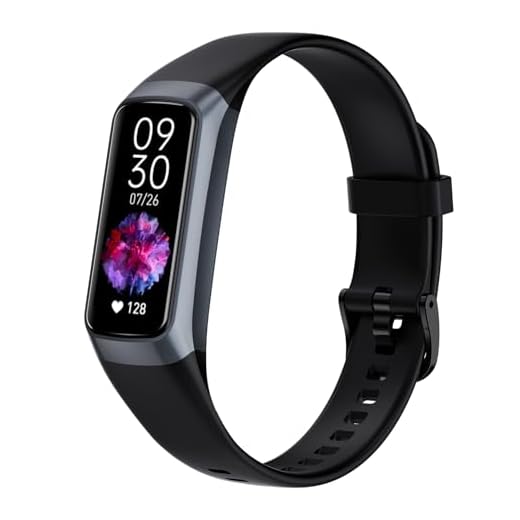

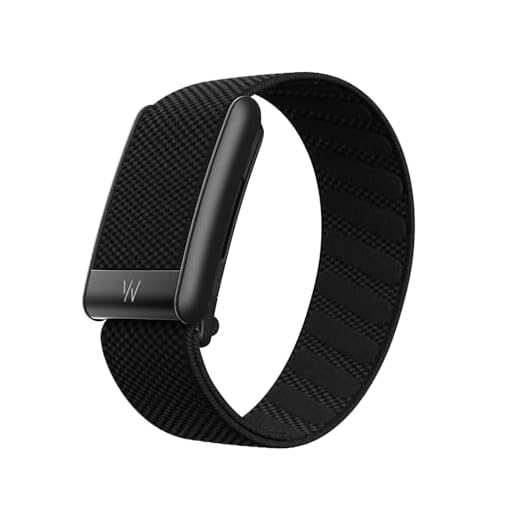
Are Fitness Trackers Actually Accurate at Counting Calories?
The Energy Equation in Resistance Training: Key Concepts
What makes up your daily calories?
Tracking calories well starts with five core pieces of the energy puzzle:
How resistance training changes the equation
Resistance training nudges several pieces at once — not just the workout calories on your tracker.
Acute workout vs. long-term metabolic effects — why that matters
Don’t be fooled by a big per-workout calorie estimate on your watch. Many devices overstate EEE and treat EPOC like a major calorie source. In practice, short-term workout calories are visible and useful, but the larger long-term lever is changing body composition (lean mass affects RMR) and weekly activity patterns (NEAT). Practical tip: use averaged weekly EEE plus regular weigh-ins and occasional body-composition checks to adjust calories, rather than chasing every single workout number.
Next, we’ll look at the common sources of error that make those per-workout and daily estimates drift from reality.
Common Sources of Error When Counting Calories for Lifting
Overreliance on machine and wearable readouts
Gym cardio machines (Life Fitness, NordicTrack) and wearables (Apple Watch Series 9, Garmin Fenix, Fitbit Charge) use crude algorithms and population averages. They often:
Practical tip: treat device EEE as directional — not absolute. Calibrate by comparing weekly device-reported burn to body-weight trends and reduce EEE by 10–30% if progress stalls.
Ignoring NEAT and activity drift
Small daily changes—standing less, taking fewer steps after heavy sessions—shift calories significantly. A 500–1,000 step/day drop equals ~25–50 kcal less daily; over weeks that hides progress.
Underestimating portion sizes and hidden cooking calories
Oils, nuts, sauces, and restaurant servings are stealth calories. One tablespoon of olive oil is ~120 kcal; two meals a day with unmeasured oil can add 240 kcal — 1,680 kcal/week.
Use a kitchen scale and measure oils to remove guesswork; the portion kit is helpful for travel when scales aren’t available.
Misreading food labels and packaging
Serving sizes, rounding, and “per container” vs “per serving” mix-ups create systematic undercounts. Packaged foods often round down to the nearest 10 kcal.
Day-to-day variability and failure to average
Logging only gym days or only “clean” days skews the picture. Calories swing; use 7–14 day averages to set and adjust targets.
Psychological biases that bias reporting
Social eating, optimism bias, and forgetfulness lead to consistent underreporting. Example: “I only had a couple bites” becomes 200 unlogged kcal. Small, repeated omissions add up:
These cumulative errors commonly explain why lifters see slower-than-expected changes despite “doing everything right.”
Estimating Energy Expenditure for Resistance Sessions: Practical Methods
Simple MET- and duration-based approach
A fast, accessible method uses MET values (metabolic equivalents) and session minutes. Formula: kcal = MET × 3.5 × bodyweight(kg) / 200 × minutes.
Use conservative METs for resistance work: light circuit 3–4 METs, moderate strength 5–6 METs, high-intensity or CrossFit-style lifting 7–9 METs. This is great for quick guesses when you don’t have wearables.
Heart-rate and accelerometer-based estimates
Wearables use HR and movement to model energy burn. Pros: individualized intensity tracking (especially with HR chest straps). Cons: wrist opticals (Apple Watch Series 9, Garmin Fenix, Fitbit) misread during isometric holds or barbell movements; accelerometers underestimate static effort. Chest straps like Polar H10 and platforms/apps that use HR zones give the best session-level accuracy.
Practical tip: if a device reports wildly high or low session burn, compare it to bodyweight trends and average weekly totals over 7–14 days before changing intake.
Hybrid: RMR-derived baseline + session multipliers
Use your measured or estimated resting metabolic rate (RMR) as a baseline: RMR/min × session minutes × session multiplier (light 3×, moderate 6×, high 8× as a starting guide). This blends personal physiology with session intensity.
How intensity, rest, volume, and exercises change expenditure
Sample calculations (80 kg lifter, RMR ≈1.18 kcal/min)
When to trust devices vs multipliers
Trust chest-strap HR or validated wearables for relative intensity and trends. Use MET/multiplier methods when devices are unavailable or likely to misread. Always validate against weekly weight/body-composition changes and adjust.
Next up: translating these expenditure estimates into accurate intake tracking and daily calorie management.
Tracking Intake Accurately: Tools and Best Practices for Lifters
Step-by-step logging routine
- Weigh and measure every ingredient with a digital kitchen scale (Escali Primo, OXO Good Grips).
- Log as you eat—capture whole days, not just individual meals—so snacks and drinks aren’t missed.
- Use reliable databases: USDA FoodData Central, Cronometer, or verified entries on MyFitnessPal.
- Account for cooking fats and condiments (a tablespoon olive oil ≈ 119 kcal; a tablespoon butter ≈ 102 kcal).
- Validate portion estimates periodically: once per week, weigh a typical plate and compare to your logged portions.
Macronutrient priorities for lifters
Supplements and performance drinks
Count powders and sports beverages toward totals. A typical whey scoop adds ~20–25 g protein and 100–130 kcal—log it. Creatine is negligible kcal but track dosing. For intra-workout carbs (Gatorade, carbs gels), log grams of carbs — they add up fast.

Eating out, meal prep, and lapse management
A Practical Workflow: Setting Baselines, Monitoring, and Adjusting
Establish a baseline
Start with either a measured resting metabolic rate (RMR) if you have access to metabolic testing, or use a validated equation (Mifflin–St Jeor or Katch‑McArdle if you know body fat). Multiply RMR by an activity factor to estimate TDEE. Example: an 80 kg moderately active lifter might land near 2,500–2,800 kcal/day—use that as your starting point.

Choose a goal-aligned calorie target
Decide on deficit, maintenance, or surplus:
Track intake and training with a rolling average
Log every meal and every session for at least two weeks before changing plans. Use a two-week rolling average for calories and weight to reduce day-to-day noise. Also track:
Monitor objective feedback
Focus on trends, not single days:
Make conservative adjustments
When trends stall for 2–4 weeks:
When to tweak macros vs total calories
Prioritize protein (1.6–2.2 g/kg). Adjust carbs to support session intensity—raise carbs if performance fades. Only change fats last; use them to meet calorie targets while keeping satiety and hormones in mind.
Use this workflow consistently and you’ll have reliable data to guide the more advanced strategies that follow.
Advanced Considerations: Recomposition, Periodization, and Troubleshooting
Recomposition: practical levers
Experienced lifters aiming to gain muscle while losing fat succeed by pushing resistance volume and keeping protein high, while manipulating calories in small waves. Two practical approaches:
Distribute protein across meals (roughly 20–40 g protein per feeding, aim for ~3–5 feedings) and focus on near‑failure work for key muscle groups—consistency beats extreme swings.

How periodization changes calorie needs
Different training blocks demand different fuel:
Plan nutrition to match the block rather than rigid daily macros—this reduces performance loss and preserves lean mass.
Endocrine, recovery & planned refeeds
Sleep, stress, and metabolic adaptation matter as much as math. Rules of thumb:
Troubleshooting: quick decision trees
Stalled fat loss?
Stalled strength?
Unexpected weight gain?
Use these levers in sequence—measure, change one variable, re-test over 2–4 weeks—before concluding cause.
Next, we’ll pull everything together to put these strategies into practice.
Putting It Into Practice
Accurate calorie tracking for resistance training blends solid estimation, disciplined intake tracking, and measured adjustments based on objective feedback. Start with the workflow: set a baseline, prioritize protein, log consistently, and use weight, body composition, and performance data to confirm progress rather than relying on feelings.
Commit to small, evidence-based changes and retest weekly to biweekly. Use the tools discussed, stay consistent with protein and training, and let data guide your tweaks. Take the guesswork out—track, evaluate, adjust—and you’ll optimize results more reliably over weeks and months. Start today and measure progress with patience and precision daily.
Loved the humor in the troubleshooting section 😂
Also, shoutout to the Efficient Nutrition 14-Piece Portion Control Kit — my kitchen used to be a chaos zone, now it’s like meal-prep zen. Quick notes:
1) If you meal-prep, weigh once cooked and log that consistently.
2) Protein scoops lie. I switched to the Etekcity scale and never looked back.
3) The WHOOP vs AMOLED debate is real — WHOOP gave better recovery cues for me, but the AMOLED is cheaper and I still use it for day-to-day HR tracking.
Anyone else mixing whey and vegan powders? I alternate ON Gold Standard and Orgain depending on cravings.
Usually 1 scoop (24g protein for ON) + a banana. I measure on the scale so it’s exact. Also I keep a pre-portioned shaker bag for mornings — game changer.
I mix too. The taste combo is… interesting but it keeps things flexible.
If you want to reduce calories, measure scoops by weight (g) instead of volume — different scoops pack differently.
Sofia, how many scoops of ON do you use post-workout? I’m still guessing and either overeat or underserve lol.
Thanks for the practical tips, Sofia. We included the portion kit recommendation because of exactly these wins: consistency and speed. Mixing whey and vegan is fine — just account for calories/macros when you do.
Agree on weighing cooked food. Saves so much confusion compared to raw weights.
Good article. Short question: when estimating energy expenditure for a resistance session, how much weight should I put on heart-rate based estimates vs METs-based tables? I find METs kinda generic but HR watches overestimate during circuits.
Agree with admin — for heavy strength days HR underestimates because of anaerobic effort. I add a small fixed kcal per minute for heavy lifting instead of relying on HR.
Great question. Use HR-based estimates for continuous, high-HR sessions (like circuits). For traditional sets with long rests, METs or session-type multipliers are more accurate. The article recommends blending both and validating against weight trends.
Honestly, wearables still feel half-magical. The AMOLED fitness tracker with HR and SpO2 is neat but I’m not sold on calorie estimates. WHOOP membership gives recovery vibes but costs $$.
Anyone done a side-by-side of WHOOP vs a simple HR belt for lifting calorie estimates?
This line about “Common Sources of Error” should be pinned somewhere. I wasted months because I didn’t include condiments.
Also: salt and sauces are tiny calories but oils are not. If you’re eyeballing ‘a tablespoon’ of olive oil, stop. Use the Etekcity scale.
PS: Love the troubleshooting checklist — made me actually re-evaluate my macros instead of blaming genetics 😂
Same here. Also be careful with ‘healthy’ snacks — nuts are calorie bombs 🤯
100% — I underestimated dressings for weeks. The portion kit helps with those small things.
I pre-measure dressings into little containers for the week — zero guesswork.
Glad it resonated, Grace. We intentionally called out oils and condiments — they’re the silent saboteurs. The checklist was added after reader feedback like yours.
Quick note: WHOOP Peak membership helped me notice sleep affecting my lifting more than calorie deficits. Recovery days felt legit. But, pricey. If you’re on a budget, AMOLED tracker + consistent logging + a scale works fine for most people.
Totally — WHOOP adds value for some, but it’s not necessary for accurate calorie tracking. The article emphasizes practical, low-cost tools like kitchen scales and portion kits for that reason.
Nice article. One nitpick: the GE Smart Body Composition Scale section could use more on syncing/accuracy troubleshooting. My scale sometimes fails to sync with the app and I end up with missing days.
Other than that, I appreciate the workflow example — setting baselines then adjusting weekly helped me actually make progress.
Anyone figured out a reliable fix for bluetooth sync drops?
If nothing works, export data when it’s there — some apps let you backup to CSV so you don’t lose trends.
Also try a full phone reboot after re-pairing. Sounds silly but it cleared my sync issues once.
Good point, Oliver. App syncing can be flaky — common fixes: ensure Bluetooth permissions, keep the app in the background (no battery optimizations), and update firmware. If issues persist, reinstall the app and re-pair the device.
Great breakdown — finally an article that treats lifting calorie-tracking like more than just cardio math. I liked the Practical Workflow section the most.
I started using an Etekcity scale + the portion control kit and it made meal tracking way less annoying. Still unsure how to handle days with heavy compound work vs accessory days though.
Also curious if anyone here syncs a GE Smart Body Composition Scale with an app and trusts the body-fat numbers? Feels useful for trends but noisy day-to-day.
Totally agree on trends > single readings. I log every morning and use a 7-day average. Less drama when the scale jumps after leg day 😂
Thanks, Maya — glad it helped. For heavy vs accessory days, the workflow suggests setting a baseline and adding session-specific offsets (or using RPE/time-based multipliers). And yes, GE scales are best used for trends rather than absolute BF%.
I sync my GE scale to Apple Health — decent for long-term. For session offsets I usually add ~150-250 kcal after big compound days, seems to track well for me.
Tbh the AMOLED tracker looked like sci-fi when I unboxed it. SpO2 seemed cool but I’m not sure how useful it is for lifting.
Also, anyone else get wild HR spikes doing heavy singles? The watch went bonkers on my last PR attempt lol 😅
I love that the article included both practical and advanced considerations. Quick practical q:
Has anyone used the Efficient Nutrition portion kit + the Etekcity scale together for bulk meal prep? Does it speed things up enough to be worth buying both?
I cook for 3 days at a time and hate measuring every plate.
Yes!! It speeds it up a ton. Portion kit lets you pre-divide and the Etekcity scale gets the grams perfect. Prep time becomes predictable.
If you prep in batches, the combo is very time-saving. Measure one big batch, then divide into kit containers by weight — you’ll cut daily grind by a lot.
Really thorough read. A few thoughts from someone doing recomp:
– Protein timing isn’t magic but hitting daily protein (I use Optimum Nutrition on training days) helped keep muscle while in a slight deficit.
– The article’s section on Common Sources of Error is spot on. I used to forget cooking oil and my numbers would be off by 200-300 kcal 😅
– For veg options, Orgain Vegan is decent post-workout when I’m low on dairy.
If anyone wants my spreadsheet for setting baselines and weekly adjustments I can share!
Yes please share! Spreadsheets save lives. Also, cooking oil = sneaky calories, always.
If you share, I can test it with the Portion Control Kit to see how meal-level errors affect weekly totals.
Appreciate the detail, Priya. If you can share the spreadsheet (no PII), others would find that super helpful — maybe we can make a simple template for the article’s follow-up post.
Would love the template. Do you track workout energy as a flat multiplier or using watch-derived estimates?
I use a hybrid: baseline TDEE from calendar averages, then add workout-specific kcals based on session length + RPE. The sheet automates it a bit.