
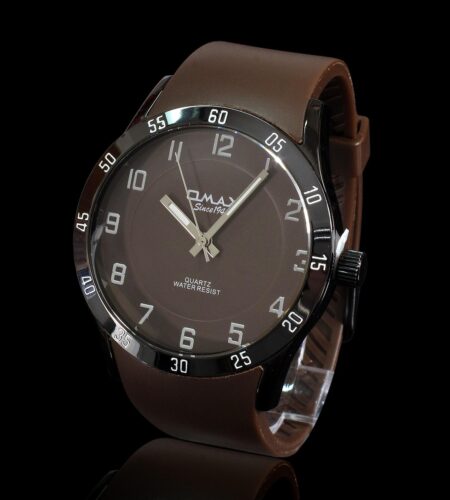
Hands full of watches; paperwork and packing turn panic into order.
At the passport-control window a traveler holds three wristwatches — wrist empty except one, receipts folded, boarding pass damp. Anxiety spikes: are these personal, gifts, or imports? A simple mix of ownership proof and calm, practical in‑transit habits turns that moment from risky to manageable. Present documents calmly if asked; polite clarity often defuses suspicion.
- Keep original receipts plus cloud backups and phone screenshots.
- Photograph each watch clearly showing serial/reference numbers and condition.
- Carry warranty cards, invoices, and a short inventory with make, model, serial, and purchase date.
Personal effects versus commercial imports
Customs law treats items as either personal effects or commercial imports. Personal effects are goods for personal use or gifts; commercial imports are intended for resale or business use. That binary is the single most important factor influencing inspections, duties, and whether paperwork like an ATA carnet or import declaration becomes necessary.
How officers infer commercial intent
Customs officers look for practical signals rather than the label on a passport. Common indicators include:
- Quantity: several identical watches suggests resale.
- Packaging: original retail boxes, price tags, security seals.
- Documentation: invoices, bulk receipts, or a business card.
- Behavior: unclear answers, nervousness, or inconsistent stories.
- Value and frequency: high-value shipments or frequent cross-border trips with similar items.
- Public advertising: online listings or business profiles tied to the traveler.
These signals shape every subsequent choice: how many watches to carry, whether to keep retail packaging, which documents to present, and whether to declare items as inventory. Planning with the distinction in mind reduces surprises and reduces the risk of unpaid duties or seizures.
Exact documents and provenance to carry
-
Original receipts and payment proof
Carry the original sales receipt or invoice showing buyer, date, price and seller contact. If paid by card, include the bank statement page or transaction reference; for gifts, add a short gift letter with seller details.
-
High‑quality photos tied to each watch
Include clear front, back, caseback, movement/clasp shots and a wrist or in‑case photo. Label image files to match serial numbers so each picture can be matched quickly to an item.
-
Typed inventory with serials and references
Prepare a one‑page inventory listing brand, model name, reference number, serial number, material, year (if known) and estimated value. Print copies and keep a digital copy offline (airplane mode) on a phone or tablet.
-
Appraisal and insurance documents
Carry a recent independent appraisal or dealer valuation with date, appraiser contact and signature, plus the insurance certificate showing insured values and policy number.
-
Original papers, boxes and service records
Bring warranty cards, COSC or authenticity certificates, original box, and any service or restoration invoices. These establish provenance and reduce suspicion of commercial intent.
-
Formal temporary‑import paperwork for very valuable pieces
For high‑value collections, secure an ATA Carnet or a temporary import permit from the destination customs authority. Carry carnet pages, issuing‑agent contact details and copies of customs declarations.
Keep originals in carry‑on, store photocopies separately, and have at least one offline digital copy accessible without internet.
Hand originals first and offer printed copies — officials prefer paper. Organize documents in a single folder with the inventory on top. Helpful extras:
Manufacturer warranty registration email or account screenshot Contact details for the seller or appraiser Police report if an item was previously stolen (provenance cases)Keeping paperwork orderly often shortens inspection time.
Packing and presentation
Keep all watches and all provenance documents in carry-on luggage — checked bags increase theft and damage risk. Store watches in padded compartments so they do not rub or compress under weight.
What to carry in the cabin
- Watches in a padded watch roll or individual soft pouches; high-value pieces in a small hard case.
- Printed receipts, inventory sheet, and appraisal copies in a clear plastic sleeve for quick display.
- Digital copies of photos and serial numbers stored offline on a phone or tablet.
Wear a demonstrative piece
Wear one watch on the wrist as a demonstrative piece to signal personal use. Prefer an everyday-looking model rather than an overly flashy one. Be ready to remove it quickly for inspection (loosen the strap slightly before reaching the desk).
Pouch and roll choices
- Use a padded roll with individual slots when transporting several watches; it keeps pieces separated and presents neatly.
- For two or three very valuable watches, a small hard travel case offers better crush protection.
- Add silica packets and fabric sleeves to prevent scratching.
Arrange documents for inspection
Place the clear sleeve on top of the carry-on or in an outer pocket. Order receipts to match the watches’ slot sequence and include a one-page inventory (model, serial, purchase date, value) for instant matching.
Place the watch roll on the counter, open the sleeve, and hand over the matching receipt/photo. A tidy, ordered layout reduces suspicion and speeds inspection.
Dealing with security and customs officers
Approach and first impressions
Stay calm and polite. Present a single, obvious piece being worn (a watch on the wrist) to signal personal use. Hand over documents in an organized folder—inventory, receipts, serial numbers, and any ATA carnet or temporary‑import paperwork—before an officer asks.
What to say (and what not to say)
- Say: “These are personal watches; here are the receipts and the inventory.” Short, factual, and specific.
- Offer the paperwork proactively if inspection looks likely: “Would you like to see the receipts and serial list?”
- Do not volunteer extra context such as intended resale, provenance stories, or approximate values unless asked. Avoid exaggeration.
How to present watches and documents
- Keep watches in hand luggage, in a padded case, and be ready to open it. Officers prefer inspected items in front of the passenger.
- Place the relevant receipt next to each watch when asked to speed matching.
- If an X‑ray requires removal, take watches out and put them on a small tray; avoid handing loose straps or bracelets.
Practical benefits of carry‑on
Carrying watches in hand luggage preserves condition, allows immediate proof of ownership, speeds inspections, and reduces loss or delay compared with checked baggage.
Declaration, forms and temporary‑import options
When a declaration is required
Declaration is required when the total value exceeds a country’s allowance, when multiple similar items indicate commercial intent, or when arrival/departure forms specifically request valuables. Common checkpoints are the red/green channel, the customs desk near baggage claim, and exit controls; some jurisdictions use arrival cards or online pre‑arrival declarations.
Temporary‑import mechanisms
- ATA Carnet — an international document for temporary exports; suitable for dealers, exhibitions, or several high‑value watches. Must be issued before travel and stamped on entry and exit.
- Temporary admission / bond — duty is suspended against a deposit or guarantee; the deposit is refunded upon proof of re‑export.
- Cash deposit / portable goods declaration — local variants where a fixed fee secures temporary admission.
How to document re‑export
Always obtain a customs‑stamped exit document for each watch. Practical steps:
- Keep original invoices, serial numbers and dated photos together with travel documents.
- Ensure carnet pages or the temporary‑admission form are stamped on exit.
- Retain stamped copies and deposit‑refund receipts until liabilities are cleared.
Declare proactively at checkpoints to avoid fines, delays or seizure.
After the purchase: export papers and resale intent
After the purchase: keep these documents
Keep originals and digital copies together with the watches. Essential items:
- Export receipt showing country of purchase, price and serial number.
- Tax‑free/VAT refund form completed by the retailer and stamped on exit by border control.
- Retail invoice listing model/serials and any warranty or provenance papers.
- Proof of export (boarding pass with exit stamp or electronic exit record) to show goods left the country.
Store paperwork in one folder in carry‑on and back up scans to cloud or phone.
Sales, resale intent and customs treatment
Customs treats items differently when evidence indicates commercial intent. Red flags: multiple identical unworn watches, retail packaging intact, invoices showing resale prices, or social media/ads indicating sale. If intent to resell exists, declare the goods and use commercial import procedures (declare, present commercial invoice, pay duties/VAT) or arrange temporary admission/carnet. Occasional private resale is assessed case‑by‑case; proper paperwork reduces risk of unanticipated duties.
Common customs concerns for vintage watches
Do aged or unrestored parts trigger red flags?
Unrestored or patinated parts rarely cause legal problems but can prompt extra inspection if corrosion or loose components look unsafe. Carry high‑resolution photos and a short provenance note to show the watch’s condition pre‑travel.
When are appraisals or provenance essential?
For high‑value, rare, or non‑serialized pieces, a dated written appraisal or dealer invoice avoids valuation disputes. Provenance documents help prove personal use rather than commercial intent.
Are permits or movement restrictions ever needed?
Most watches move freely, but some countries treat antiques over a certain age as cultural property and require export permits. Check both origin and destination customs sites and consider an ATA carnet for multiple or high‑value items.
What should be done at the border if questioned?
Present paperwork, open cases when requested, and match serials to documents calmly. If an officer detains items, request a written receipt and contact insurer or consul if needed.
Immediate next steps for anxious collectors?
Keep items in carry‑on, organize a one‑page inventory, and have appraisals/photos accessible. If travel is frequent, register pieces with insurer and consider a carnet.
Bring:
High‑res photos, receipt/appraisal, and a one‑page inventory with serial numbers. Keep watches in carry‑on and wear one to show personal use. Consider an ATA carnet for multiple or costly pieces and verify export rules at both borders.
If customs detains watches, remain calm and create an immediate paper trail. Photograph each item in place, note serial numbers and visible damage, write down the date, time, checkpoint location and the names/badge numbers of officers involved. Ask for a written seizure or detention receipt and a clear explanation of next steps.
Contact the airline (if luggage origin is relevant), the traveler’s insurance broker and the home consulate. The consulate can provide a local lawyer list and practical guidance but cannot overturn local law. Engage a local attorney experienced in customs or import disputes before agreeing to forfeiture or disposal.
Preserve originals and send scanned copies of receipts, export papers and photos to a trusted email address. Record all conversations (time, participants, summary) and save any forms stamped or signed by customs.
Checklist — practised border actions:
- Carry organized receipts, appraisals and serial lists in carry-on
- Photograph watches and paperwork before travel
- Wear one watch to show personal use
- Declare when required and present documents promptly
- Keep watches accessible; request stamped forms for any detention
- If seized, get a written receipt and contact consulate, insurer, and a customs lawyer
Always request a written seizure receipt and contact the home consulate and insurer immediately; do not sign away rights without counsel.
If customs detains watches
- Document everything and obtain written receipts
- Contact consulate, insurer, and a customs attorney promptly
Immediate documentation and prompt legal/consular contact greatly improve chances of timely resolution. Keep digital and physical copies of all paperwork.
If customs detains watches, the article says to get a written receipt and contact a customs lawyer. How fast do these cases usually resolve? I imagine it depends a lot on the country, but any ballpark timelines?
What about having multiple identical newer watches (same model) as gifts? The guide mentions quantity implies commercial intent — is there a safe threshold?
Good checklist — I always forget to photograph serial numbers. Quick question: if a vintage Rolex has no paperwork but I have an appraisal, is that usually enough to avoid import issues?