

Why accuracy matters when choosing a heart-rate sensor
Heart rate drives training, recovery and health decisions — yet many consumer devices can be off by 5–15% during real workouts. That gap changes zones, calories and recovery timing.
Two sensor families dominate: wrist-worn optical sensors use PPG (light-based) to estimate blood pulse; chest straps use electrical signals (ECG-like) to record the heart’s electrical activity. Each has clear strengths and limits.
This article gives a practical, evidence-based comparison of how wrist optical and chest-strap sensors capture heart rate, how accuracy is judged, what affects performance in real life, and when to use each for reliable data. Expect clear guidance, test summaries and simple rules to match sensor choice to your goals. We prioritize practical accuracy over marketing claims for real users.

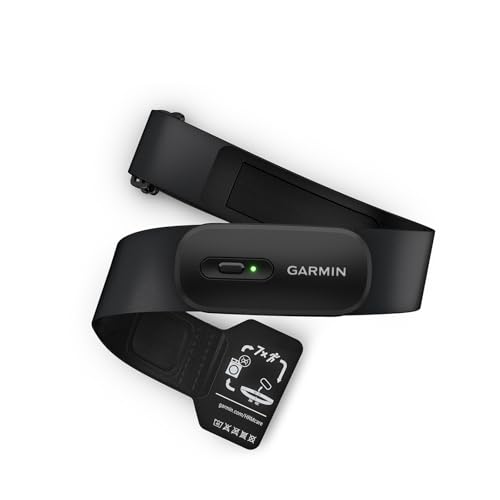

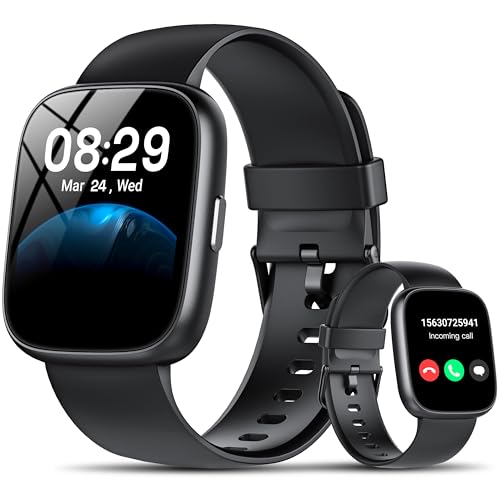
Chest Strap or Watch: Which Heart Rate Monitor Is Best for You?
How wrist optical sensors and chest straps capture heart rate
Photoplethysmography (PPG): the light-based approach used at the wrist
Wrist devices shine LEDs into the skin and measure returning light with photodiodes. Each heartbeat sends a pulse of blood that slightly changes how much light is absorbed; the sensor converts those tiny variations into a waveform. Manufacturers tune wavelength (green is common for pulse rate on the wrist; red and infrared work better for deeper tissue and SpO2) and sampling rate to balance power and fidelity.
PPG is indirect and needs signal processing: filters, motion-artifact rejection, and algorithms that turn the raw waveform into beats-per-minute (BPM) or inter-beat intervals. Typical consumer sampling rates range from ~25–200 Hz; effective accuracy depends on sensor contact, skin tone, tattoos, motion and ambient light.
Practical PPG tips:
Chest straps: electrical pickup (ECG-like)
Chest straps use electrodes that pick up the heart’s electrical activity directly from the skin. Most consumer straps are a single bipolar lead (two electrodes) that produce an ECG-like waveform with clear R-peaks. Because this is the heart’s electrical signal, it’s a direct measure of each beat and less susceptible to the optical noise that plagues wrist PPG.
Sampling frequencies for straps are higher (commonly 250–1000 Hz), giving excellent temporal resolution and precise beat-to-beat timing—important for interval work and HRV. Popular models: Polar H10, Wahoo TICKR, and the Garmin HRM family. Straps transmit via Bluetooth/ANT+ to watches, bike head units and apps.
Chest-strap tips:
Hardware & data-output differences
Next, we’ll look at how researchers and consumers actually judge these streams of data — tests, metrics and validation methods that separate marketing claims from real-world performance.
How we judge accuracy: tests, metrics and validation methods
Reference standards and test environments
Accuracy is only meaningful against a reliable reference. The gold standard is a clinical-grade ECG (multi‑lead 12‑lead or dedicated chest-lead clinical ECG) that records clear electrical R‑peaks. Validation studies pair the device under test with ECG in tightly controlled labs and in the field to capture different failure modes. Controlled lab trials isolate variables (treadmill speed, cadence), while field tests reproduce real-world motion, sweat, and environmental factors — both matter.
Quantitative metrics you’ll see and what they mean
Quick rule-of-thumb: MAE under ~5 bpm or MAPE under ~5–10% is often treated as “good” for consumer devices, but context matters (rest vs sprint).
Protocol design: what researchers run
Common test sequences include:
Combining these exposes devices to both low-motion and high-artifact conditions.
Artifacts and how validation handles them
Motion artifacts, poor contact, and electrical noise produce false beats. Good validations report how they handled artifacts: automated artifact-rejection windows, manual annotation of ECG/R‑R peaks, and exclusion criteria (e.g., >X% missing data). Transparent papers show raw traces or example failures.
Population statistics vs single-user variability; reading a study
Population-level metrics hide individual extremes. One person may have near-perfect tracking while another (darker skin tone, high BMI, arrhythmia) sees large errors. When reading validation studies, check:
Correlation without Bland‑Altman, small n, or narrow test conditions? Treat claims cautiously.
Key factors that influence heart-rate accuracy in real-world use
Real-world accuracy is a stew of mechanical, physiological and electronic variables. Below I break down the big contributors, show how they contaminate readings for wrist PPG and chest electrodes, and give simple fixes you can use today.
Motion and accelerative artifact
Wrist optical sensors (PPG) shine light into skin and infer pulse — any wrist twist, rapid acceleration or impact (think boxing, kettlebell snatches, or trail running) changes the optical path and produces spurious spikes. Chest straps can slip during burpees, swims with poor fit, or when strap material gets soft.
Practical tip: minimize excessive wrist rotation in sprints where possible; for high-impact intervals prefer a chest strap (Polar H10, Garmin HRM‑Pro) or secure wristwear tightly.
Contact quality and placement
Poor contact = noise. Loose wristbands let sensors wobble; electrodes need clean, slightly moist skin and correct placement under the sternum to sense R‑waves.
Practical tip: wear on the non‑dominant wrist, snug but comfortable. For chest straps, dampen the pads and position according to the manufacturer.
Skin, light, sweat and environment
Skin tone, tattoos, hair and ambient light affect PPG. Darker skin and heavy tattoos can attenuate signal; bright sunshine or reflection can add optical noise. Sweat can both help and hurt contact—improving electrode conduction but creating optical glare.
Practical tip: if outdoor runs show jittery wrist data, try moving to the forearm or switching to a chest strap. Trim hair under chest electrodes and avoid direct sunlight hitting the sensor.
Physiological factors: perfusion, arrhythmias and body composition
Cold hands, low peripheral perfusion, or vascular disease reduce pulse amplitude at the wrist. Arrhythmias (PVCs, AF) break beat-to-beat regularity and confuse beat-detection algorithms. Very high BMI or large soft‑tissue around the chest can attenuate electrode signal.
Practical tip: warm up to improve perfusion before intense efforts; if you have known arrhythmia, prioritize ECG‑grade chest monitoring or consult your clinician.
Device-side: sampling, algorithms, firmware, transmission
Sampling rate, filter design and beat-detection logic matter more than casing. Higher sampling and robust R‑peak detection on a chest strap yield cleaner HR and HRV. Firmware updates often improve accuracy. Bluetooth/ANT+ dropouts or low battery states introduce missing beats and jitter.
Practical tip: keep firmware updated, charge regularly, and if you get odd spikes mid‑session try reconnecting or switching the transmission protocol (ANT+ often more stable for multi‑sensor setups).
Quick checklist you can apply now:
Next up: we’ll examine exactly how these factors play out in different activities — rest, endurance, intervals and resistance training — and show side‑by‑side performance comparisons.
Side-by-side performance: rest, endurance, intervals and resistance training
Rest and sleep: baseline HR and HRV
At rest and during sleep most wrist PPG devices do a credible job reporting average heart rate and sleep-stage trends. They smooth and average beats, which is fine for nightly summaries or seeing trends over weeks. For heart-rate variability (HRV) and precise beat-to-beat timing, chest electrodes and ECG-level wearables (or clinical monitors) deliver far higher fidelity: they capture true R‑wave timing rather than inferred pulse peaks. If you want accurate HRV for recovery decisions, a chest strap like the Polar H10 or an ECG patch is the safer choice.

Steady-state aerobic (running, cycling at moderate intensity)
On steady runs or long rides both chest straps and modern wrist watches (e.g., Garmin, Apple Watch, Fitbit) often agree within a few beats per minute. Wrist sensors can introduce a slight lag or smoothing during pace changes; that’s usually invisible for zone‑2 training. Tip: for tempo runs where exact minute-by-minute HR matters, prefer chest straps or validate wrist readings with a one-week side-by-side check.
High‑intensity intervals and sprints
This is where differences become obvious. Chest straps maintain beat-to-beat accuracy through abrupt spikes and drops; algorithms detect R‑peaks quickly. Wrist PPG struggles with rapid acceleration, arm swing and short peaks — expect under‑reported spikes, delayed peaks, or noisy artifacts during 30s sprints. Practical step: if you do repeat HIIT, use a chest strap for sessions that guide interval intensity.
Resistance training and cross‑training
Frequent grip changes, barbell contact and isometric holds create challenging motion and pressure changes for wrist sensors. Expect dropouts and exaggerated spikes when you clamp the wrist or touch equipment. Chest straps fare better, provided they remain snug and dry. For circuit classes, the chest strap is the more reliable workhorse.
Swimming and waterproofing
PPG needs stable optical contact and struggles under water due to refraction, bubbles and rapid wrist rotation. Some smartwatches compensate well for steady swimming laps, but short sprints or flip turns often confuse them. Chest straps generally work underwater only if explicitly designed for swimming and paired with compatible head units — many consumer straps either stop transmitting or produce noisy data in a pool. Always check manufacturer swim‑rating and user reports.
Special cases: arrhythmias, HRV for recovery, and clinical monitoring
If you have known arrhythmia, need diagnostic-level HRV, or require clinical monitoring, chest electrodes or medical-grade single/multi-lead ECGs are strongly preferred. Wrist PPG can miss ectopic beats or produce false positives; it’s great for lifestyle tracking, not medical decision-making.
Next, we’ll translate these performance differences into practical buying and usage recommendations so you can choose the right sensor for your goals and daily habits.
Choosing and using a heart-rate sensor: practical recommendations
Decision checklist: pick your priority first
Quick example: if you want daily steps + occasional zone training, a wrist watch (Apple Watch Series 9, Garmin Forerunner) is fine. If you race or rely on HRV, consider a chest strap (Polar H10, Garmin HRM‑Pro).
Device selection criteria
Usage best practices
Hybrid strategies that work
Buying tips (final checklist before checkout)
With these choices and habits in place, you’ll be ready to weigh tradeoffs and pick the best sensor for your needs.
Which sensor is right for you: a concise takeaway
Chest straps (electrical) remain the gold standard for fidelity during dynamic exercise, high-intensity intervals, resistance training, HRV analysis and clinical-grade monitoring — choose them when accuracy matters. Wrist optical sensors (PPG) offer comfort, convenience and sufficiently reliable daily tracking for low-to-moderate activity and lifestyle monitoring; they’re great for steps, general cardio and sleep tracking.
Match your sensor to your goals: pick a chest strap for performance, recovery and medical needs; pick a wrist device for all-day wear and ease. Follow sizing, placement and firmware best practices to minimize error. If you want both convenience and precision, use a wrist device for daily wear and a chest strap for focused workouts for consistency.
Super helpful section on how performance differs in rest, endurance, intervals and resistance training. I coach a small running group and here’s what I tell athletes:
– For long steady runs: wrist sensors are usually fine and less annoying.
– For track intervals: chest strap (Polar H10 or Garmin HRM 200) every time.
– For lifting: chest strap can still be better because of arm movement artifacts.
One constructive note: could you include suggestions for people with smaller chests/frames? Straps sometimes slip and give bad readings mid-workout.
Also tape or sports adhesive patches can help keep it steady for short sessions.
I use a chest strap extender from Amazon when it feels tight. Not elegant but works.
If straps slip, try dampening the contact area or positioning it a bit higher under the pecs. Worked for my girlfriend.
Great coaching tips — thanks Sophie. We’ll add a short subsection on strap fit and alternatives for smaller frames.
You can also look at the machine-washable Garmin HRM 200 — helps if you’re sweating a lot, just throw it in with the kit.
Great write-up. I’ve been using a Polar H10 for years and it still feels like the gold standard for accuracy, especially during sprints and hill repeats. The article’s side-by-side section really matched my experience — wrist opticals lag when heart rate jumps quickly.
Thanks, Ethan — appreciate the real-world confirmation. Did you find any comfort issues with the H10 during long rides?
Agree on accuracy. For me chest straps are mandatory for intervals. But for daily steps/relaxation watches are fine.
I switched to H10 for triathlon training and it’s been solid. A little snug at first but you get used to it. Battery lasts ages too.
Nice article. On validation methods: did you use any ECG gold-standard comparisons or rely on Polar H10 as a reference? For full scientific rigor, an ECG baseline helps quantify the absolute error. Curious about sample sizes and participant diversity too.
Good to hear. Small sample sizes are often the Achilles’ heel of these reviews.
We used a 3-lead ECG as the ground truth for a subset of tests and cross-checked with the Polar H10 for field sessions. Sample included 40 participants across ages 20–60 and both sexes; we’ll expand details in the methods appendix.
Nice — that ECG cross-check is what I hoped for. Makes the results more trustworthy.
I actually prefer wrist trackers for day-to-day health monitoring — sleep, stress, step counts — and only strap up for serious workouts. The article’s practical recommendations nailed that balance (and the note about washing chest straps was super helpful since I use the Garmin HRM 200).
Chest straps aren’t great for sleep comfort, so I stick to wrist for sleep tracking. Less intrusive.
That’s exactly the use-case we had in mind — thanks for reflecting that. Do you notice any major differences in sleep metrics between wrist-only and chest strap-assisted tracking?
I get terrible wrist readings when it’s cold. My 1.72-inch Retina smartwatch basically gives up at ~32°F. Anyone else have this? Article touched on skin perfusion but maybe add more on temperature effects?
Yes! Cold hands = bad wrist HR. I wear the chest strap on winter rides and it’s much more stable.
Garmin HRM 200 to the rescue in winter 😂
I bought glove liners with a thumb hole so I can wear my watch snugly under them. Not perfect but helps a bit.
Good point — we mentioned skin perfusion but could expand the environmental factors section. Cold-induced vasoconstriction does degrade optical performance.
Really enjoyed the breakdown of how each sensor captures heart rate — simple, clear, and not overly nerdy. I do have a couple of thoughts:
1) As someone who wears a smartwatch (the 1.83-inch HD with Alexa), convenience is a huge factor. I like getting notifications and HR without extra straps.
2) But during HIIT classes my wristwatch was all over the place — green lights flashing like a disco 😂
3) The article’s testing methods seemed thorough, but I’d love an appendix with raw data or video of the tests for transparency.
Also, minor typo in the “Key factors” section (extra ‘the’ in a sentence) — no biggie, just noticed while reading late night ☕
Same here with the Alexa watch — love the features but it’s not my go-to for workouts. For yoga or walks it’s perfect though.
Would love that raw data too. Nice article +1 for the edit on the typo!
Thanks, Laura — glad the explanations helped. Good catch on the typo, we’ll patch that. Re: raw data — we can add a link to the test logs in an update.
Disco wrist watch — perfect visual 😂 I always tell people: if your HR graph looks like a rollercoaster, it might be the optical sensor, not you.
TL;DR: chest strap = serious, wrist = comfy. If you’re training to be a couch potato a smartwatch will do. If you actually want accurate intervals, get a chest strap. End of story.
Fair summary, Marcus — we tried to capture that nuance in the ‘Which sensor is right for you’ takeaway.
Haha — couch potato testing protocol is valid 😅
Personal experience: I switched from a 1.83-inch HD Smartwatch with Alexa to a Polar H10 chest strap for serious training. My VO2 interval sessions got more useful data afterwards. That said, I still use the smartwatch for calls and daily stuff — best of both worlds. Powr Labs was okay when my H10 battery died mid-season, but I noticed more dropouts.
Yup — smartwatch for life, chest strap for training. Hybrid forever.
Appreciate the user perspective, Maya. Sounds like a hybrid approach works well for a lot of people.
Love the “How we judge accuracy” section. The transparency about test protocols and metrics (MAE, RMSE, Bland-Altman) made it clear you’re not just eyeballing charts. One q: do you weight any metric more heavily when making a recommendation? RMSE feels more sensitive to big spikes, which matter for intervals.
Math talk! But yep, spikes ruin training. RMSE > MAE for me too.
That makes sense — latency is huge for training zones. A low average error but high lag = bad experience.
Good question. We primarily used RMSE and event-detection latency for recommendations: RMSE for overall error and latency for responsiveness during transitions.
Anyone tried the Powr Labs Bluetooth ANT+ chest monitor? I’m curious if the cheaper third-party straps actually compete with the Polar/Garmin classics. Reviews are all over the place.
We included Powr Labs in the product list — in our bench tests it tracked quite closely to the Polar H10 for steady-state efforts but had slightly more dropouts during very dynamic interval work.
I’ve used Powr Labs as a backup and it was fine for cycling. Noticed occasional Bluetooth reconnects on older phones though.