

Why workplace stress tracking matters — a practical overview
This introduction explains the purpose: to help HR leaders, people-ops teams, occupational health professionals and workplace decision-makers understand which stress-tracking approaches actually deliver useful insights, how to judge the metrics they produce, and how to estimate the return on investment from adopting them. It outlines the scope—physiological wearables, app-based tools, passive smartphone sensing, and survey/EMA methods—and the three evaluation axes used across the article: metrics, validity, ROI.
After reading you will be able to compare options, ask the right vendor questions, and design a low-risk pilot that maximizes value. The article focuses on practical evaluation, clear questions to pose to providers, and realistic expectations for outcomes, privacy, adoption and operational scalability.


Reducing Workplace Stress: The Real Cost and How to Cut It with Rob Cooke
What workplace stress trackers measure: core metrics and signals
Physiological signals: direct markers of autonomic activation
Wearables commonly capture:
A quick example: a salesperson showing HR spikes during a client call (acute) but normal HRV at night—one-off arousal, not chronic overload.
Sleep and activity: recovery and load signals
Passive smartphone indicators
Self-report: Ecological Momentary Assessment (EMA)
Acute events vs chronic load
Raw signals vs composite indices
Types of trackers and how they collect data: strengths and trade-offs
Building on the signals above, here’s a practical catalog of tracker types you’ll encounter in workplaces, with realistic expectations about accuracy, intrusiveness and best-use scenarios.
Wrist-worn optical wearables (PPG: HR & HRV)
Common: Apple Watch, Fitbit, Garmin.
Rings and adhesive patches
Examples: Oura Ring, Biostrap, chest/skin patches for long-term HRV.
Chest-strap ECG
Example: Polar H10.
Skin conductance (GSR) bands
Example: Empatica E4.
Smartphone passive sensing
Metrics: call/text metadata, app use, mobility, typing patterns.
EMA and pulse-check surveys
Short, targeted prompts capture subjective stress and context.
Fixed-site and ambient solutions
Kiosks for vitals, room sensors (noise, CO2).
When accuracy is critical, combine modalities: a chest strap for validation, ring for nightly recovery, and smartphone for context. Best practice: pilot mixed sensors on a small cohort to balance validity, cost and user acceptance before scaling.
Validity and reliability: evaluating measurement quality and meaningfulness
This section gives a practical, evidence-based rubric for deciding whether a tracker’s outputs are trustworthy and useful for workplace decisions.
What good measurement means
Validity: does the metric reflect stress (physiological arousal, recovery, subjective strain) rather than unrelated signals?
Reliability: are repeated measures stable in similar conditions (high test–retest consistency)?
Sensitivity / specificity: can the system detect real stress events while avoiding false positives from motion or exercise?
Validation evidence to request
Look for vendor claims backed by:
Common confounders and algorithm risks
Watch for factors that mimic stress: physical exertion, caffeine, thermoregulation, medications, poor sensor contact, and sweat. PPG-based devices can be biased by darker skin tones or wrist movement. Signal processing (motion filtering, artifact rejection) helps—but opaque machine-learning models trained on narrow samples can introduce bias or overfit to non-representative patterns.
Practical pilot checks teams can run
These checks identify whether a tracker gives stable, interpretable signals you can trust — the necessary foundation before designing analytics and dashboards.
Turning data into insight: analytics, dashboards and actionable metrics
Collecting signals is only useful if they’re translated into interpretable insights that teams and managers can act on. Below are practical analytic patterns and dashboard principles that convert raw physiology into workplace-relevant outputs.
Analytic approaches that produce usable outputs

Dashboard design: clarity, segmentation, and thresholds
Design dashboards around a few clear KPIs rather than raw streams:
Segment by role, shift, or location and provide drill-downs for occupational-health teams. Use thresholding for tiered alerts (inform manager → recommend EAP → occupational-health referral) and anonymized benchmarking against peer teams.
Integrating outputs into workflows — practical steps
Avoid alarmist single-metric triggers: favor multi-signal composites and human-in-the-loop review to ensure fair, actionable decisions.
Estimating ROI: how tracking leads to measurable business outcomes
Pathways from measurement to value
Turn measurements into value by closing the loop: identify high‑risk groups → deploy targeted interventions (coaching, schedule changes, workload rebalancing) → measure outcomes (stress load, presenteeism, absenteeism, retention) → iterate. Quick how-to: start with a focused cohort (one team or shift), define 2–3 interventions, and map expected outcome changes to dollar savings.
Metrics to include in ROI models
Include direct and indirect line items:
Example illustration: if fully‑loaded daily cost/employee = $400, one avoided sick day for 100 employees = $40,000 saved; use conservative effect sizes (0.2–1.0 days/year) when piloting.
Attributing changes to the tracking program
Use robust designs to avoid overclaiming:
Measure both proximal (change in stress score, sleep quality) and distal outcomes (absenteeism, turnover) and report confidence intervals.
Costs to budget
Factor in:
ROI scenarios & pilot success criteria
Define three scenarios (conservative/moderate/optimistic) with specific effect sizes and payback timelines. Set pilot success criteria (e.g., 0.5 fewer sick days/year or 10% reduction in chronic-load prevalence) and predefine attribution method.
Next, we turn to practical deployment, privacy and ethical safeguards that make measurement sustainable and acceptable.
Deployment, ethics and privacy: making tracking acceptable and sustainable
Consent, voluntary participation and transparency
Start with informed, opt‑in consent that explains in plain language what is measured, why, who sees it and how long it’s kept. Use a short one‑page FAQ and a consent form that employees can revisit. Real world: a mid‑size fintech avoided backlash by pausing a pilot to rewrite communications—clarifying that managers won’t see raw heart‑rate streams—then relaunched with 85% opt‑in.

Data minimization, retention and access controls
Collect only signals needed for stated goals (e.g., aggregate stress load, not continuous raw ECG). Set short retention windows for identifiable data and purge by default. Enforce role‑based access:
Use encryption in transit and at rest, logging and regular access reviews.
Governance and policy guardrails
Create a cross‑functional steering group (HR, legal, IT, employee reps, occupational health) with a published charter. Policies must prohibit punitive actions tied to physiological markers and outline acceptable use, third‑party vendor rules, and incident response.
Equity, device performance and inclusion
Verify devices on diverse skin tones and body types before procurement; request vendor validation data (PPG accuracy by Fitzpatrick scale). Design participation so non‑wear roles (manufacturing, field reps) aren’t excluded—offer surveys or environmental sensors as alternatives.
Adoption, trust and practical rollout
Use short opt‑in pilots, aggregated team reporting, voluntary coaching offers and clear incentives (extra wellness days, anonymized benchmarking). Provide education sessions and an FAQ. Track adoption metrics and iterate on messaging.
Escalation and clinical pathways
Define clear thresholds for when to escalate to EAP/occupational health, who can re‑identify a case, and ensure clinical follow‑up is voluntary and confidential.
Next: choosing and piloting the right stress‑tracking approach.
Choosing and piloting the right stress-tracking approach
Match measurement validity, deployment practicality and ROI potential to your goals. Start by defining clear objectives, success metrics and acceptable privacy boundaries. Run a small, transparent pilot to test sensor accuracy, data workflows and employee acceptance, and use results to refine analytics, interventions and change management.
Scale gradually only after demonstrating measurement validity, intervention effectiveness and sustained participation. Keep privacy safeguards, opt-in controls and clear reporting to preserve trust. Done thoughtfully, stress tracking yields actionable signals that reduce harm and boost performance; misapplied, it wastes resources and damages morale and harm organizational culture broadly.
Not sure why the article didn’t dive deeper into deployment logistics for hybrids (part-remote, part-office). For example, Bluetooth-based trackers behave differently when users are at home vs. in the office.
Good catch — deployment for hybrid work is tricky. We covered general trade-offs, but a follow-up post on hybrid-specific issues is on the roadmap.
Two-sentence take: dashboards are sexy, but actionability is king. The piece nailed how to convert signals into manager-friendly nudges rather than alarm bells.
Exactly — nudges and contextualized recommendations increase perceived value without creating surveillance.
Actionability is what keeps people engaged. Data without clear next steps = drop off.
Does anyone have a template for consent language? We want to be transparent but also simple. The article gave principles, but a fill-in template would be 💯.
We redlined a vendor template heavily. Short version: say what you collect, why, how long you keep it, and who sees it. Simple is better.
We can share a basic consent template in a follow-up — short, bullet-pointed, and covering data types, retention, access, and opt-out. I’ll put it on the list.
Has anyone compared the Alexa-Enabled 1.83 inch Smartwatch with the Pink Alexa Smartwatch? Seemingly similar but different policies for voice assistants could matter for compliance.
Thanks — makes sense. Might avoid anything labeled ‘Alexa’ for workplace pilots.
The Pink Alexa model looked cute in photos but our counsel flagged it for potential always-listening fears. Went with a plain Fitbit instead.
Good question — hardware variants with the same voice assistant can still differ in firmware and privacy options. Check vendor docs on local processing and opt-out for voice features.
We picked the non-voice model to keep legal happy. Less bells and whistles, but fewer headaches.
Love the practicality here. Quick notes from my experience:
– AMOLED Fitness Tracker: good battery, vague stress scoring
– Bluetooth Call Smartwatch: weird call features but decent HRV at rest
– Alexa-Enabled watch: raises privacy eyebrows in our legal team
If you’re deploying in a corporate setting, run the ethics/privacy checklist in the article. Seriously.
Good points all. Battery life was a deciding factor for us too.
To add: AMOLEDS are flashy but tend to have higher power draw when always-on. Make sure employees know battery trade-offs.
Thanks for sharing real-world impressions, Sam. The article’s deployment checklist aims to help teams map legal concerns (like voice-enabled devices) and sensor data flow. Good call re: Alexa-enabled devices.
We banned voice-enabled watches in our pilot for that exact reason. Too many edge cases with recordings.
Also remember to anonymize signals and limit access to aggregated dashboards to avoid micro-surveillance.
Agreed on HRV — many wearables give noisy HRV unless the user is still for a minute or two. Not a continuous stress stream.
Short and neutral: useful read. The product list includes several consumer-grade devices — remember to validate them for clinical-grade claims if that’s what you need.
Good reminder — the article advises checking device validation studies and vendor claims before relying on health-critical metrics.
I appreciated the ethics section, but here’s my small gripe: the examples were US-centric. Data privacy laws in the EU/UK or APAC differ and can change vendor choices. Worth a follow-up?
APAC regulations are a minefield; thanks for flagging it.
Thanks — would love to see specifics on consent templates per region.
Noted. We’ll look into regional templates and compliance checkpoints.
Yes — we had to swap vendors for GDPR compliance during our pilot. Local legal input is essential.
Valid point, Priya. A regional guide would be helpful — adding that to our editorial calendar.
Cool breakdown of ROI calculations. I’m still unsure how to attribute productivity gains to a tracker vs. the wellness program you rolled out at the same time. Anyone have a neat causality trick?
Quick rant: If your HR buys a ‘Pink Alexa Smartwatch’ because it looks cute and expects instant ROI, you’re setting up disappointment. Trackers need study design + engagement plans.
Also, ‘we measured stress and now productivity soared’ is an anecdote until you show the math.
Math is key. ROI models in the piece are super helpful — saved us months of guesswork.
Phase-in worked for us. We compared teams on and off device for three months and saw a gradual difference once coaching started.
Amen to the ‘cute gadget’ trap. Function over form for corporate programs.
Couldn’t agree more. The article has a section on pilot design and engagement that recommends control groups or phased rollouts to help isolate effects.
Humor time: if my boss starts tracking my HRV during meetings, I’m going to intentionally breathe like a monk. 😂
Serious note: there should be clear boundaries around real-time monitoring during meetings — feels invasive.
Team biofeedback sessions can work if everyone opts in and it’s framed as wellness, not surveillance.
If only my manager would join — that’d equalize the playing field!
Make it a team challenge: ‘Who can hit calm first?’ — jk, maybe not 😅
Breathing exercises during meetings could become a new office trend 😂
Ha — we covered that: avoid real-time manager-facing signals tied to individual employees. Aggregate or delayed insights are less invasive and more ethical.
Agreed. Real-time per-person alerts are a no-go for us.
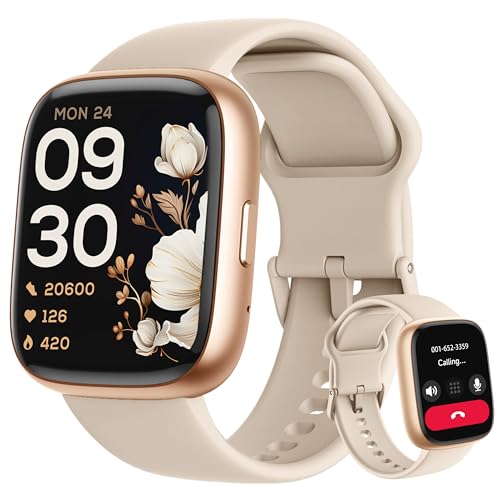
Anyone tried the ‘Bluetooth Call Smartwatch with 150+ Sports Modes’ specifically for workplace stress? The sports features are useless for us but HRV during desk work is what I care about. Curious about the sensor quality.
If HRV is the main metric, prioritize devices with published validation studies, not sports mode counts.
Good tips — thanks all.
We tried that model—sensor quality was ok for heart rate but HRV was noisy unless people were still. The 150 sports modes were indeed a gimmick.
The article suggests validating HR and HRV against a reference during a short calibration window to assess noise levels before wider deployment.
Long post below — sorry, got carried away. But worth reading if you’re piloting:
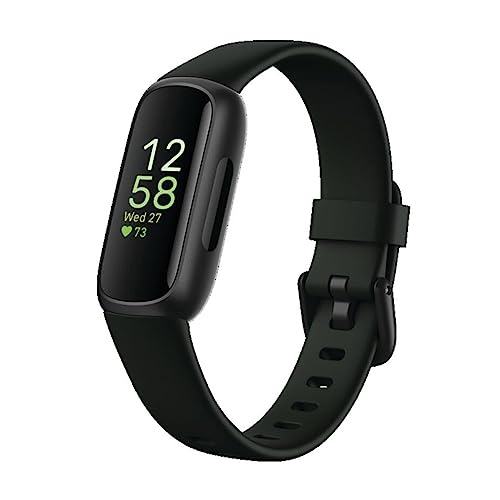
We ran a 6-week pilot with two device types (AMOLED Fitness Tracker with Multi-Sensor Health Monitoring and Fitbit Inspire 3). Key learnings:
1) Employee buy-in matters more than device accuracy initially — if people don’t wear them, data is useless.
2) Use brief surveys to validate anomalies (HR spikes during a deadline = stress, or just sprinting to a meeting?).
3) Privacy-first: let employees opt into which signals they share. We found HRV + sleep aggregate was enough.
4) ROI: we saw a 7% drop in sick days but only after pairing the data with managerial training.
TL;DR: devices help, but program design is everything.
We used a same-period previous year baseline to control seasonality. Not perfect, but better than nothing.
Fantastic detailed share, James. The emphasis on manager training and opt-in signals aligns with the article’s deployment and ethics sections.
How did you handle people who forgot to wear devices? We got a lot of missing data.
That 7% drop is impressive. Did you account for seasonal sick leave variations?
Really appreciated the section on validity — too many teams jump straight to dashboards without checking if the signal is real.
I’ve piloted Fitbit Inspire 3 in a small team and the daily readiness score did seem to match anecdotal burnout spikes. But we also had false positives when people were just dehydrated.
Anyone else combine wearables with short pulse surveys to improve accuracy?
Yep, we did that. Short 1-question surveys after meetings helped disambiguate stress vs. physical causes. Definitely reduced false positives.
We had hydration issues too 😂. Also tracked sleep with the Fitbit Inspire 3 Daily Readiness and Sleep Tracker — helped a lot.
Great point, Laura — the article does recommend mixed-method pilots (physiological + pulse surveys). Combining sensors like the Fitbit Inspire 3 with quick end-of-day check-ins often improves precision and trust among employees.
I liked the examples of core metrics (HRV, sleep, activity, context). But a lot of vendors still sell ‘stress’ as a single number and users treat it like gospel. Education is key.
Exactly — the article stresses translating single-number outputs into actionable insights and communicating limits to users.
Totally. We made a one-page explainer for employees about what the ‘stress score’ can and can’t tell you.