

Why Accurate Calorie Estimates Matter — Get Accurate Calorie Burn Estimates Now
Accurate calorie estimates are essential for real progress with weight, fitness, and health. Conflicting tracker numbers, stalled progress, and guesswork waste time and motivation. Knowing how much you really burn lets you plan smarter and reach goals faster.
This guide shows how to get accurate calorie burn estimates now with simple, evidence-based steps. You’ll learn what affects calorie burn, common errors to avoid, and practical tools you can trust. Follow the roadmap and stop guessing — make data-driven adjustments that actually work.



Do Fitness Trackers Really Count Calories Burned Accurately?
How Calorie Burn Is Calculated: The Key Components
The pieces behind any calorie number
Calories burned in a day are the sum of several distinct parts. Think of them as puzzle pieces that add up to your total energy expenditure:
Each piece behaves differently and responds to weight, age, sex, hormones, and recent activity.
Basal metabolic rate (BMR) / Resting energy
BMR is the energy your body uses to keep you alive—breathing, heart beating, cell repair. For most people it’s the largest share (often ~50–70% of daily calories). Simple calculators (Harris-Benedict, Mifflin-St Jeor) estimate BMR from age, sex, height, and weight—but they’re an educated guess, not a direct measurement. A measured resting metabolic rate in the morning is the best baseline to start from.
TEF, NEAT, and exercise
A construction worker and a desk worker of the same weight can differ by 500+ kcal/day purely from NEAT and job-related activity.
How sensors and physiology map to calories
Wearables estimate energy cost using:
Most consumer devices combine heart rate + motion to improve accuracy. Remember: single-number formulas (like “calories burned per mile”) simplify complex biology. They’re useful starting points but don’t capture individual differences.
Next up: how those limitations create common errors—and which tools actually help you get closer to the truth.
Common Errors and Why Many Estimates Mislead
Population averages mask individual differences
Many apps and calculators use large-group averages. That’s convenient but not personal—two 35-year-olds can burn very different calories doing the same workout. If your app assumes “average body composition” it will systematically under- or over-estimate for you.
Ignoring body composition and load
Muscle burns more at rest than fat, and carrying extra load (backpack, baby) raises energy cost. Devices that only use weight, not lean mass, miss this. A muscular runner will burn more than a lighter, less-muscled person at the same weight and pace.
Sensor placement and noisy data
Wrist trackers can miss effort during cycling or strength training because the wrist is stable. Chest straps (Polar H10) give better heart-rate accuracy; optical wrist sensors can be thrown off by loose fit, tattoos, or cold hands.
One-off readings vs. multi-day averages
A single high-reading workout (stress, caffeine, poor signal) isn’t representative. Multi-day averages smooth out anomalies and reveal trends. Treat single sessions as data points, not gospel.
Algorithmic assumptions in apps
Apps fill gaps using assumptions: steady-state heart-rate to calorie conversions, linear relationships between motion and energy, or fixed MET tables. Those assumptions break during interval training, stress, or illness.
How small mistakes compound
Quick tips to spot unrealistic numbers
Next: practical tools and methods to improve your estimates.
Tools and Methods: Pros and Cons of Wearables, Calculators, and Lab Tests
Online calculators and equations
Quick, free, and useful for ballpark planning.
Smartphone and wrist-worn fitness trackers
Everyday convenience—good for trends, less so for exact sessions.
Chest-strap heart-rate monitors
Gold standard for reliable heart-rate data on the move.
Smartwatches with advanced sensors
Combine optical HR, accelerometers, and algorithms to improve estimates.
Lab-based options: indirect calorimetry & VO2 testing
Most accurate — measure oxygen consumption and real energy cost.
When a tracker is sufficient: you’re tracking trends, not making clinical decisions. Consider lab testing if you’re elite, have metabolic health concerns, or need exact numbers for medical or competitive reasons. Up next: how to account for your personal physiology so those tools work for you.
Personal Factors That Affect Your Calorie Burn and How to Account for Them
Up next we move from devices to you: individual physiology changes estimates dramatically. Below are the most important personal variables and practical ways to capture and adjust for each.
Body size and composition (lean mass vs. fat mass)
Muscle burns more calories at rest than fat. Use the Katch‑McArdle formula: BMR = 370 + 21.6 × lean mass (kg). Example: 60 kg lean mass → BMR ≈ 1,666 kcal/day. Practical steps:

Sex differences
Males generally have higher lean-mass-driven BMRs; expect ~5–10% higher resting needs on average. Action: use sex as input in calculators and check lean mass rather than relying on “male/female” alone.
Fitness level and efficiency
Trained athletes are more efficient — they may burn fewer calories at a given pace but can sustain higher intensities. Use power (watts) or HR zones to estimate work; pair a chest strap (Polar H10) with your watch for better session estimates.
Age-related metabolic change
Metabolic rate declines ~1–2% per decade after your 20s, largely from lost muscle. Counteract by tracking strength gains and updating lean-mass inputs in calculations.
Medications and medical conditions
Thyroid disorders, beta‑blockers, stimulants, and some antidepressants can raise or lower metabolism/H R. Note these in your health profile and consider an RMR test if meds are likely affecting estimates.
Environmental temperature
Cold increases non‑shivering thermogenesis; heat and sauna raise heart rate. Adjust calorie burn estimates ±5–10% in extreme conditions or rely on lab testing for precision.
Sleep and stress
Poor sleep and chronic stress shift hormones and NEAT. Track sleep with your wearable and treat low‑sleep days as “higher uncertainty” — either measure (heart rate + activity) or add a small buffer to your energy budget.
Quick tracking tips:
Get Accurate Calorie Burn Estimates Now: A Practical Step-by-Step Plan
Step 1 — Pick the right tool (and why)
Choose a combo: a reliable chest strap for workouts + a wrist wearable for daily tracking. Chest strap (Polar H10) gives accurate HR for intervals; wrist devices (Apple Watch Series 9, Garmin Forerunner 255, Fitbit Charge 6) capture NEAT and sleep. If budget is tight, prioritize the chest strap for training accuracy.
Step 2 — Establish a resting baseline
Get a BMR estimate using lean mass (smart scale or DEXA) and a validated formula, or measure resting HR/RHR each morning (sit quietly for 5 minutes). For clinical precision, a 10–20 minute RMR test is best.

Step 3 — Wear and record for multiple days
Record continuously for at least 3–7 days (include one weekend day and one high-intensity workout). Capture: sleep, desk time, walks, strength sessions, and a cardio interval day. This variety reveals your real average.
Step 4 — Combine heart rate and movement
Use HR for intensity (zones/watts) and accelerometer data for movement/NEAT. During workouts, favor chest-strap HR data; for daily totals, use the wrist device but cross-check high-HR events against manual notes (e.g., row class vs. commute).
Step 5 — Validate with food logs and weigh-ins
Log food consistently for 7–14 days (apps like MyFitnessPal). Weigh weekly and track trends: consistent weight loss/gain validates your burn estimate. Remember: small daily errors compound over weeks.
Checklist:
Troubleshooting tips
Applying Estimates to Goals: Tracking Progress, Adjusting Plans, and Staying Realistic
Set sensible targets from your improved estimate
Turn your calibrated TDEE into action: for weight loss, aim for a 250–500 kcal/day deficit (≈0.5–1 lb or 0.2–0.45 kg per week). For gain, start with a 125–300 kcal/day surplus (≈0.25–0.5 lb per week). Example: a 2,200 kcal TDEE → eat 1,700–1,950 kcal to lose slowly but sustainably.
Translate numbers into daily practice
Create meal- and workout-day plans that match your target. Use protein-first meals to protect muscle during deficits and add 1–2 strength sessions per week if gaining. Track macros loosely (protein priority) rather than micromanaging every bite.
Monitor meaningful progress—not daily noise
Rely on multiple signals:

Use trends over 2–6 weeks. A single-day fluctuation of 1–2 lbs is normal; three consistent weeks of no change is worth a tweak.
When and how to recalibrate estimates
Re-run your 3–7 day measurement whenever you:
Keep tracking simple and accountable
Pick one tracking system and stick with it: weekly weigh-ins + a food-log check-in twice weekly + a monthly body metric. Share goals with a coach, friend, or an app reminder for accountability. Small, consistent habits (weighing same day, logging one meal) beat perfect-but-unsustainable routines.
Next, you’ll find clear steps to put this plan into action and start measuring results reliably in the Conclusion.
Take Action: Start Getting Accurate Calorie Estimates Today
Accurate calorie estimates aren’t about perfection; they’re about better decisions. Use the step-by-step plan: choose a method (wearable, calculator, or lab test), track consistently for at least two weeks, compare results, and adjust based on trends rather than single readings.
Prioritize measurement, consistency, and small adjustments—these compound into reliable progress. Start today: pick one tool, record activity and intake, review weekly, and tweak your plan. Over time you’ll gain actionable insight to reach health and weight goals without chasing perfect numbers. Take control and burn smarter. Start now, stay consistent and succeed.
Nice write-up. One constructive thought: the article could add a short primer on BMR vs TDEE and how to actually plug those into daily meal plans. I see people constantly misapply the numbers — they use TDEE as a hard cap instead of a moving target. Also, wanna call out the 1.83-inch Smartwatch — looks neat but tiny screen = annoying UX imo.
Thanks, Raj — fair point. The ‘Applying Estimates to Goals’ section hints at that, but adding a quick BMR->TDEE example might help. I’ll suggest it for an update.
Tiny screens drive me nuts too. But if the tracking’s solid and battery lasts, sometimes I tolerate it for accuracy/features.
Yup. I treated TDEE like a calorie budget and went nuts when I had ‘extra’ calories post-workout. Learning it’s flexible was a big mindset shift.
Love the sarcasm in the ‘why many estimates mislead’ section lol. I mean, calories burned on a random running program? Sure, give me a number I can meme about. But seriously — if anyone’s using only a wrist tracker for heavy lifting they might be missing the point.
Exactly. I started manually logging tougher lifting sessions and the wearable always undershoots. Chest strap + perceived RPE helps me adjust daily calories.
Haha, glad you liked that bit. Resistance training often underestimates calorie burn on wrist-only devices because HR response is different. Combine perceived exertion + HR data for better estimates.
Good article. Quick reminder: don’t let smart scales ruin your day over a 0.5 lb fluctuation. Use RENPHO for trends, not daily judgment.
Also take monthly photos and measurements. Sometimes those tell a better story than numbers alone.
Totally — the article emphasizes trends over single measurements. Daily fluctuations are normal; weekly averages are more useful.
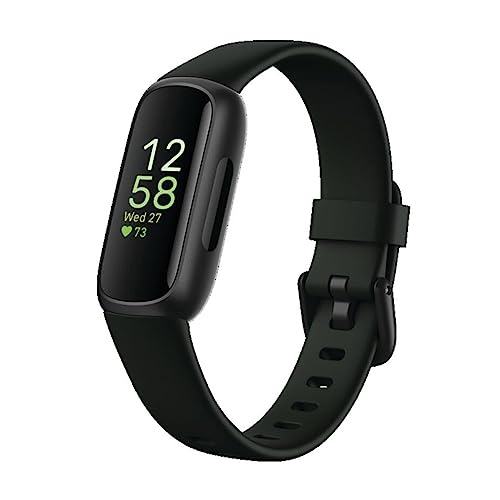
Loved the step-by-step plan — finally something actionable instead of vague advice. The ‘account for personal factors’ part was especially useful. I’m gonna try calibrating my Fitbit Inspire 3 with a few lab-style tests like the article suggests.
Pro tip: don’t test right after a heavy dinner. I once freaked out thinking my watch was broken 😅
Thanks, Marcus — glad it helped. If you do informal lab-style tests, try to keep conditions consistent (same time of day, similar hydration/food). That makes comparisons meaningful.
Nice article. Quick question: how practical are lab tests for someone who just wants decent accuracy without spending a ton? I’m curious if Polar H10 + a decent scale like RENPHO or Etekcity gets me 80% of the way there or if I should save up for a VO2 lab test. Also wondering about LIVIKEY — anyone tried that cheaper tracker?
I did one VO2 test and it was eye-opening, but for day-to-day decisions my chest strap + apps are enough. Depends on your goals.
Agree with admin — labs help if you’re optimizing performance. Most of us don’t need that. Save your money unless you really need exact numbers.
Also keep an eye on firmware and app updates; often device accuracy improves with software tweaks. Try to read recent reviews before buying.
Good point — for most people, a chest strap (Polar H10) + consistent smart scale (RENPHO/Etekcity) + structured tracking will get you 70–85% of the way. VO2 or metabolic labs are expensive but useful if you need precision (athletes, medical).
I’ve used LIVIKEY. It’s fine for step/sleep and basic HR but don’t expect clinical accuracy. Good for budget use.
Okay real talk: syncing issues drive me insane. My Etekcity Bluetooth Smart Scale sometimes won’t sync to the app and I have to redo weigh-ins. Also battery life on cheap trackers (looking at LIVIKEY here) feels like a chore. But when everything works, the ecosystem is great for staying on top of trends. 😅
Ugh, syncing pain is the worst. The article’s Tools section mentions app ecosystems — some brands have more stable cloud sync. If syncing is critical, pick devices with good app reviews and regular updates.
I solved sync problems by setting the phone and device near each other and opening the app before weighing. Not perfect, but reduces misses.
Thanks for the tips, everyone. We might add a short troubleshooting checklist for syncing in an update — sounds useful.
Also check Bluetooth permissions and battery saver settings — those often block background sync on phones.
Great breakdown — I always wondered why my watch and the gym treadmill give different numbers. Curious if pairing a chest strap like the Polar H10 with an AMOLED Smartwatch actually makes a noticeable difference in real-world workouts?
Agree with admin — I tried H10 + my 1.83-inch Smartwatch for sprints and the calorie readout looked way more consistent. Feels more legit than wrist-only at least.
Good question, Sarah — pairing a chest strap like the Polar H10 typically improves heart-rate accuracy a lot, especially during high-intensity intervals. The article’s Tools section covers that tradeoff: wearables = convenience, chest straps = more accurate HR data.
Also keep in mind chest straps are annoying to wear lol, but if you’re tracking for performance they’re worth it.
Long post incoming — wanted to unpack the ‘common errors’ bit. I used to rely on my RENPHO Smart Scale + phone calculator and thought I had my maintenance calories nailed. Turns out I was double-counting steps (phone + watch) and my scale’s body fat was fluctuating wildly depending on time of day.
– The article nailed it: time, hydration, device placement all change readings.
– For anyone testing: measure the same way each day, ideally mornings.
– Also, the Etekcity Bluetooth Smart Scale and RENPHO both sync well, but take body composition numbers with a grain of salt.
Kinda frustrating but also freeing — once you accept estimates are approximations you can use them better.
Also FYI some cheap scales use foot electrode contact that’s sensitive to calluses or sweaty feet — small factors, big swings sometimes.
Great detailed comment, Jenna — consistency is the single best practice for tracking. And yes, scales are helpful for trends, not exact body composition diagnostics.
If you want slightly better composition data, the article mentions professional DEXA or lab tests, but those are costlier. For everyday use, pick a smart scale and always weigh under the same conditions.
Totally — my RENPHO jumps 2-3% bodyfat based on whether I had coffee. Trends > single readings.
The headline ‘Get Accurate Calorie Burn Estimates Now’ felt a bit clickbaity, but the content was solid and realistic. I’m skeptical of ‘now’ accuracy claims — realistic expectations are key. If someone wants the best bang-for-buck accuracy, I’d still recommend a Polar H10 for HR and a decent smart scale for trends.
Agreed. ‘Now’ is a stretch, but the practical steps help you meaningfully improve accuracy quickly — which is probably what they meant.
Totally valid critique, Zoe — we tried to balance urgency with nuance in the ‘Take Action’ and ‘Applying Estimates’ sections. We’ll consider toning down the marketing-y phrasing.
Polar H10 wins for HR accuracy in my experience too. For most people it’s the single biggest upgrade vs wrist-only.