Relying on rough calorie guesses derails fat-loss plans. Simple calculators and rules of thumb often miss your real metabolism and behavior. The result: slow progress, frustration, and wasted effort.
Calibration is the practical process of measuring your true maintenance intake and adjusting from real data. This article shows a stepwise approach: find true maintenance, measure intake precisely, monitor results, and iterate.
You will get actionable methods you can use immediately: a measurement protocol, tracking best practices, and templates to make calibration simple. If you want predictable progress instead of guessing, this is the roadmap.
Start now: commit to a two-week test, track weight and intake daily, and follow the protocol in this guide today.
Mastering Food Scale: Accurate Calorie Counting for Healthy Eating
1
Why Common Calorie Estimates Are Often Wrong
Formulas and calculators are just educated guesses
Mifflin–St Jeor, Harris-Benedict, online TDEE calculators — they’re useful starting points, not truth. These population-derived equations average thousands of people and assume “typical” activity patterns. Two people with the same age, height, and weight can have maintenance calories 200–500 kcal apart. Treat a calculator like a hypothesis you must test, not a prescription.
Daily energy swings: NEAT, stress, sleep, and exercise
Your day-to-day expenditure moves a lot. Non-Exercise Activity Thermogenesis (NEAT) — the calories burned fidgeting, standing, commuting, and doing chores — can vary by several hundred calories daily. Stress, illness, or poor sleep can suppress activity and raise cortisol, both changing appetite and energy use. Even intentional exercise is variable: an “easy” run one day may burn 100 kcal less than the same route on another day. Wearables and lab studies often show 20–30% error versus metabolic carts; they help track trends but don’t eliminate uncertainty.
Metabolic components aren’t fixed
Basal metabolic rate (BMR) isn’t a constant number you inherit; it fluctuates with recent dieting, muscle mass, hormone status, and even ambient temperature. The thermic effect of food (TEF) — the energy cost to digest and assimilate nutrients — varies by macronutrient and by person. Protein has a higher TEF than carbs or fat, and digestion efficiency can differ: highly processed foods may be absorbed differently than whole foods, altering usable calories.
Editor's Choice
Etekcity Digital Food Scale Stainless Steel Platform
Accurate measurements for baking and meal prep
Compact digital kitchen scale that measures up to 11 lb / 5 kg with 1 g increments and supports five units (oz, lb:oz, fl oz, g, mL). Features tare function, backlit LCD, and includes batteries for ready-to-use precision.
Food labels, restaurant portions, and hidden calories
Labels can be misleading: serving sizes are arbitrary, and some packaged foods have 10–30% more calories than stated. Restaurant portions routinely exceed single-serving label equivalents; a “medium” salad with dressing can contain two to three times the calories you expect. A quick tip: weigh restaurant items when possible, or break meals into components rather than trusting an estimate.
Cognitive and behavioral biases — why we misreport
Humans are poor at estimating portions and consistent logging. Common traps:
Inattentive logging: rounding, forgetting sauces, or “it was just a bite.”
Optimism bias: assuming your intake is healthier or smaller than it is.
Quick action you can take now: step up measurement — weigh portions, photograph meals, and log immediately. Those small steps convert guesswork into data you can test.
Next, we’ll walk through a practical calibration protocol to turn these measurements into an accurate maintenance number you can trust.
2
Find Your True Maintenance: A Practical Calibration Protocol
Finding your true maintenance calories means turning a hypothesis into measured reality. Below are two practical, testable approaches and the rules for running a clean trial so the number you get actually reflects how you live.
Intake‑stability method (best for most people)
Log every bite and drink accurately for 10–14 days (longer if your routine varies). Weigh foods with a scale and use timestamps.
Keep daily habits constant: same waking/bedtime, similar exercise, and consistent sodium/alcohol patterns.
Weigh in the morning after voiding, wearing minimal clothing; use the same scale and surface.
If weight stays within ±0.5% over the window, the average daily calories logged ≈ maintenance. If weight trends up/down, use the adjustment method below.
A real-world example: Sam logs 2,100 kcal/day for 14 days and his 7‑day moving average weight moves essentially flat — 2,100 kcal is his maintenance.
Best Seller
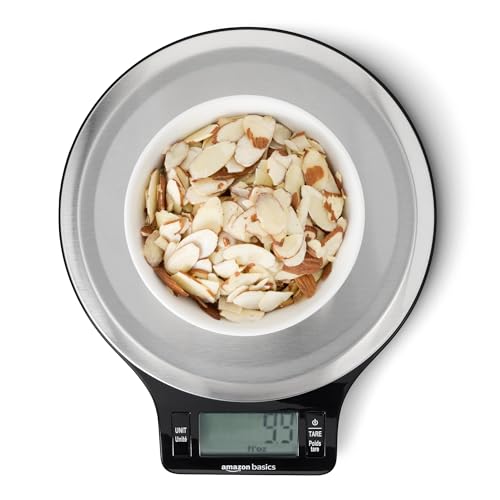
Amazon Basics Digital Kitchen Scale Stainless
Simple, accurate scale with wide LCD
A straightforward digital kitchen scale with a stainless steel platform that weighs up to 11 pounds and displays pounds, ounces, grams, fluid ounces, and ml. It includes tare function and batteries, making it an easy, reliable tool for cooking and baking.
Measured‑RMR‑start method (when you want a faster anchor)
Start with a BMR/TDEE formula (Mifflin–St Jeor + activity multiplier) or a metabolic test if available (e.g., a resting metabolic rate test at a clinic).
Run a short 7–14 day stability trial at that intake. Log intake and exercise precisely.
If weight changes, apply the adjustment below. This method is useful when you need a quicker estimate or when ramping from a low-calorie phase.
Trial structure and best practices
Minimum window: 10–14 days for reasonable confidence; 28 days for more reliable results if your schedule varies.
Smooth weight noise: use a 7‑day moving average or linear trend rather than single-day values.
Control confounders: match sodium intake, avoid unusual dehydration or bingeing before the trial, and keep sleep consistent.
Track exercise: either include exercise calories in your logged intake (easier) or log food-only and add estimated exercise expenditure to get total energy in.
Calculating a reliable maintenance number
Step 1: compute average daily intake across the trial.
Step 3: maintenance = average intake + daily deficit (if losing) or − daily surplus (if gaining).
Adjust maintenance only after a clear, sustained trend — small short-term swings don’t justify big edits.
Keep behavior and tracking consistent during the calibration so the maintenance number truly matches your real life.
3
Track Intake Accurately: Tools and Best Practices
Accurate calibration depends on precise logging. Small, repeated errors — a tablespoon of oil here, a missed spoon of peanut butter there — add up to big daily and weekly gaps. Below are concrete tools and habits to shrink measurement error so your maintenance test reflects reality.
Digital food scale (0.1–1 g resolution): Etekcity Digital Kitchen Scale or OXO Good Grips 11‑lb scale — use the tare function every time.
Measuring cups and spoons for liquids and small portions.
Reliable tracking app/database: Cronometer for accuracy, MyFitnessPal for convenience and barcode scanning, plus USDA FoodData Central for verification.
Optional: meal photography (phone) as a cross‑check.
Trusted Brand
Pyrex Essentials 3-Pack Glass Measuring Cups Set
Durable, oven-safe glass with clear measurements
Three graduated glass measuring cups (1, 2, and 4 cup) with bold, easy-to-read markings, comfortable handles, and pour spouts. Made from tempered glass that is microwave, dishwasher, freezer, and preheated oven safe for versatile kitchen use.
Weigh raw vs cooked consistently: pick whichever matches your database entries. Chicken often loses ~20% weight when cooked — don’t switch mid‑trial.
Always tare the container. Log oil and cooking fats by measuring the oil you add to the pan (1 Tbsp oil ≈ 120 kcal).
For mixed dishes, weigh total prepared batch and record a recipe in your app — then log by portion size.
Quick logging habits that cut error
Log immediately — not at the end of the day. Real-time logging prevents omission.
Photograph meals (top & side) so you can re‑estimate later or audit entries.
Save commonly eaten meals as “favorites” or custom recipes to reduce repeated entry mistakes.
Estimating restaurant and packaged foods
Favor manufacturer labels for packaged foods (they’re legally required and usually most accurate).
For restaurants: choose the closest menu entry, then add ~10–30% for hidden fats/sauces if needed, or ask for sauces on the side.
When in doubt, log slightly higher rather than lower — conservative estimates protect your calibration.
Choosing accurate database entries
Prefer entries labeled “Verified,” “USDA,” or from the manufacturer; avoid user‑submitted entries with wildly different macros.
Cross‑check calories per 100 g against the label; discard entries that don’t match.
Common pitfalls to avoid
Eyeballing spreads, sauces, and drinks.
Forgetting to account for dressings, oils used in cooking, or garnishes.
Switching between raw/cooked weights without adjusting database entries.
Make it sustainable
Batch‑cook and pre‑weigh staples when possible.
Keep the scale on the counter and a small notebook or app quick‑entry template handy.
Start with 80% accuracy consistently — small, repeatable habits beat perfect but unsustainable precision.
4
Monitor Results and Adjust: Turning Data into Decisions
You’ve calibrated intake and logged faithfully — now you need to read the signals. Good monitoring turns noisy daily data into clear decisions.
Which metrics to watch
Track a small set of complementary signals, then prioritize trends over single measurements.
Weight: use a 7–14 day moving average (same scale, same time of day, after voiding).
Waist circumference: weekly measurement at the navel for fat‑loss signal independent of water or glycogen swings.
Progress photos: front/side/back every 2–4 weeks under consistent lighting and posture.
Strength/performance: reps, sets, and RPE in key lifts; preserved strength suggests mostly fat loss.
Precision Tool
Perfect Body 80-Inch Retractable Tape Measure
Dual-color tape for quick, accurate circumference measurements
A retractable, flexible vinyl body tape that measures up to 80 inches and features a yellow dual-side for automatic circumference readings to avoid math errors. It includes a pin lock for secure measurements and a compact, easy-to-use design.
Decision framework: cut calories or raise activity?
Decide based on sustainability, time availability, and current activity level.
Prefer increasing NEAT/activity if you’re sedentary and hate further dieting — add 15–30 extra minutes of walking or stand more.
Prefer a small calorie change if your day is already active or you want predictable intake control.
How big to change
Calorie adjustments: 5–15% of current intake or ~100–300 kcal/day increments (smaller changes if lean).
Activity adjustments: +150–300 kcal/week of purposeful movement (e.g., 20–40 min brisk walk/day) initially.
Wait time before declaring a change ineffective
Allow 2–4 weeks of consistent logging and averaged weight trend after any change. Metabolic noise and water shifts commonly mask effects for 1–2 weeks.
Troubleshooting plateaus & adaptation
If progress stalls for >4 weeks despite consistent logging:
Audit intake: check hidden calories and accuracy.
Increase deficit modestly (another 100–200 kcal) or add sustainable activity.
Check sleep, stress, medications; both can blunt progress.
Suspect metabolic adaptation when maintenance drops beyond expected from lost mass — consider a maintenance re‑calibration.
When to re‑run maintenance calibration
Recalibrate after a meaningful bodyweight change (~≥5% bodyweight), major lifestyle shifts (new job, travel, pregnancy), or changes in activity that persist for several weeks.
Use these rules as a simple, evidence‑based roadmap: measure, compare to goal rates, adjust by small, sustainable increments, and give changes time to show.
5
Practical Tools, Sample Protocols, and Templates for Recalibration
Below are ready-to-run, situation-specific protocols you can follow verbatim. Each includes timing, exactly what to track, simple math for averaging, and the precise action to take so calibration becomes a repeatable habit.
How to average: compute 7‑day moving average for weight each day; use last 7 days of intake to form maintenance intake.
Sample math: Days 8–14 average intake = 2,400 kcal → provisional maintenance = 2,400 kcal.
Action: If weight 7‑day average is stable (±0.25%/week), accept maintenance. If losing >0.5%/week, add 150–300 kcal; if gaining, subtract 150–300 kcal.
Deficit-launch protocol (4 weeks)
Timing: 4 weeks after establishing maintenance.
Data: daily intake, 7‑day weight averages, weekly waist, training log.
How to average: weekly average weight change = (Week2 avg − Week1 avg).
Sample math & action: Maintenance 2,400 kcal − 15% = 2,040 kcal start. If after 2 weeks weight loss < target, reduce intake by 100–200 kcal or add +30–45 min walking/week (≈150–250 kcal).
Practical tip: leaner clients use 5–10% cuts; larger clients can start 10–20%.
High-capacity digital scale that weighs up to 22 lb / 10 kg with 1 g precision, offers multiple units, tare and hold functions, and an IPX6 water-resistant design. USB-C rechargeable and easy to wipe clean, it’s suited for baking, meal prep, and versatile household uses.
Data: 14 days of sealed logging (no cheating), weight daily, steps, training RPE.
How to average & action: If 14‑day intake average < planned by >100 kcal, fix logging errors. If logged correctly and weight stable, decrease intake by 5–10% (≈100–250 kcal) or add 1,500–3,000 weekly steps (≈75–150 kcal/day).
Anecdote: One client hit a 6‑week stall; a 150 kcal decrease plus +2k steps/day restarted steady loss.
Reverse-phase recalibration (maintenance after diet)
Timing: 2–4 weeks gradual increase.
Data: daily intake, weight, waist, activity.
How to average & action: Add 50–100 kcal every 3–5 days until weekly weight gain ≤0.25%/week for two consecutive weeks. That intake is new maintenance. Optionally confirm with an RMR test.
Useful tools & optional tests
Apps: Cronometer, MyFitnessPal (for logging), Google Sheets/Excel templates for averaging.
Wearables: Fitbit, Apple Watch, Oura (steps & sleep).
Routine: run worksheet every Sunday, apply changes Monday, reassess after 14–28 days.
Next, we’ll wrap these practices into a sustainable habit loop so calibration becomes second nature.
From Guesswork to Precision: Make Calibration Your Habit
Calibrated, data-driven calorie management turns fat loss from guesswork into a predictable process. Start with the maintenance calibration protocol, track intake and activity accurately, and give your body time — monitor weight and body composition trends over several weeks before changing targets. This systematic approach reduces frustration and reveals what truly works for your physiology.
Make these steps a habit: use reliable tools, log consistently, and treat deviations as signals not failures. Adjust calories in small, measured steps and re-calibrate when progress stalls. Over time you’ll build confidence in your estimates and make fewer corrections. Begin today: run the calibration protocol, commit to precise tracking, and let measurement guide your next move. Small, consistent adjustments informed by measurement beat repeated guessing every time.
I’m skeptical about relying too much on scales — feels obsessive. But the article made a fair case for short-term calibration rather than long-term micromanaging. I’ll try a 2-week test.
Also, anyone tried the Etekcity waterproof scale for smoothies? Curious if it’s robust.
Noah Kim
on October 4, 2025
I use the Etekcity USB scale for smoothies — it’s fine if you use a bowl and tare it. Definitely waterproof enough for kitchen messes.
Hannah Price
on October 3, 2025
Constructive feedback: loved the overall guide, but some of the language felt a bit technical for absolute beginners. Maybe add a ‘Calorie Tracking 101’ sidebar? Still, the product recommendations (scales, measuring cups, tape) were super practical.
Also, a few typos in the sample protocol PDF — small stuff but noticed it while printing. 🙂
Thanks, Hannah. Good suggestion — we’ll add a ‘Calorie Tracking 101’ quick-start sidebar and fix the typos in the PDF for the next update.
Miguel Santos
on October 4, 2025
I was thinking the same — a super-basic primer would help bring newbies up to speed faster.
Miguel Santos
on October 7, 2025
Short and sweet: I tried the 2-week maintenance calibration and it actually worked. My maintenance calories were ~200 kcal higher than I assumed. Felt less deprived immediately.
Noah Kim
on October 8, 2025
Is anyone else annoyed that food labels round calories? The article’s examples about rounding errors are wild. Over a week, that could add up.
Also, the Etekcity scale I bought has a tiny tare function glitch sometimes — anyone else? Might be mine though.
Label rounding does add up — that’s why weighing and tracking actual grams helps. Regarding tare glitches, try resetting the scale by removing batteries/charging and setting to zero on a flat surface. If it persists, contact the seller.
Zoe Carter
on October 8, 2025
Yep labels round. I found that weighing is the only way to catch consistent undercounts.
Daniel Reed
on October 9, 2025
Not sure why it took me so long to realize my food scale (Amazon Basics) was set to oz. Felt dumb when I recalibrated to grams and saw the numbers change a lot lol. This article saved me from another month of low-energy meals. 😂
Also, the tape measure (Perfect Body 80-Inch) is useful but don’t overreact to daily waist changes — weekly averages.
Glad it’s resonating — small tech mistakes compound fast. The Etekcity and Amazon Basics scales both let you switch units quickly; pick one and stick with it for consistency.
Miguel Santos
on October 9, 2025
I still use both units depending on recipe origins. Just triple-check before hitting save.
Priya Patel
on October 10, 2025
Pro tip: set your default unit in your food logging app to grams to avoid accidental switches.
Hannah Price
on October 10, 2025
Same here, I accidentally logged oz as grams once and wondered why my calories doubled. Lesson learned.
Sarah Miller
on October 10, 2025
lol the ‘units’ trap is real. I laughed reading this because it’s happened to me too.
Olivia Bennett
on October 16, 2025
I have been calorie counting for 3 years and still learned some things here. The section on converting maintenance to a deficit without overcutting was very practical.
Question: when using the Etekcity USB-Rechargeable scale, do you recommend weighing eaten food or plate leftovers? I hate washing scales 😂
Daniel Reed
on October 17, 2025
I do the container approach and it’s much less hassle. One weigh per meal prep session and done for the week.
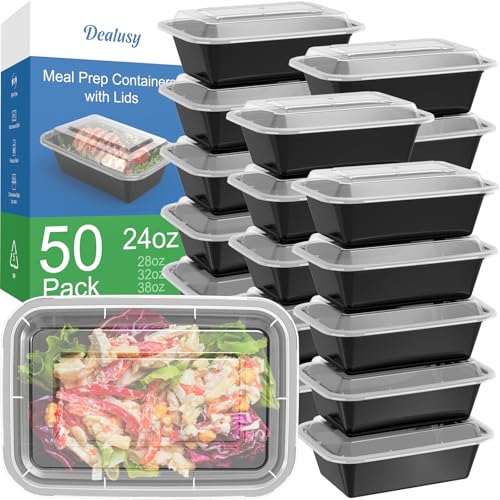
Weighing plate leftovers works fine — weigh the full plate before eating and then leftovers after. Subtract to get eaten grams. If you meal-prep into containers (Dealusy), weigh them once and log servings for easier tracking.
Olivia Nguyen
on October 16, 2025
Quick take: don’t skip the ‘track intake accurately’ section. I thought I was doing well until I actually started using the Pyrex cups and a scale. Mind blown.
Also, funny story: I used to measure peanut butter with a spoon. My calorie estimate was way off. If you’re still doing that, stop 😂
Liam O'Connor
on October 16, 2025
Spoon PB is the sneakiest — ounce by ounce it’s densest calorie-wise. Worth weighing.
Haha, peanut butter is sneaky. Glad the measuring tools helped. Small swaps (spoon -> scale/cup) make big differences.
Emma Brooks
on October 17, 2025
I measure PB with a scale into a little Pyrex cup now. Life changed.
Zoe Carter
on October 28, 2025
Loved the breakdown on why common calorie estimates are often wrong. The examples about food-label rounding and liquid calories were eye-opening.
Couple of nitpicks:
– I wish there were more photos or a short video showing how you weigh mixed dishes.
– The sample template is great but could use an editable spreadsheet file.
Anyway, gonna get the Amazon Basics scale and see how it goes. 😂
Noted — we’ll add a quick how-to video for weighing mixed meals and sauces in the next update. For now, tare the container, add sauce, record grams, and move on — small sauce errors matter less than consistent calibration.
Liam O'Connor
on October 29, 2025
Another trick: portion the dish into your Dealusy containers, weigh the full batch, then divide grams by number of containers. Boom — accurate servings.
Thanks Zoe — good call on mixed dishes. Quick tip: weigh individual components before mixing when possible (rice, chicken, sauce). If not feasible, weigh the full dish and log total grams then divide by serving size. We’ll consider adding a downloadable spreadsheet in a future update.
Emma Brooks
on October 29, 2025
Totally agree about a spreadsheet. I made my own Google Sheet using the protocol and it’s been so helpful.
Noah Kim
on October 29, 2025
Photos/video would help a ton. I’m visual and still kinda nervous about weighing sauces lol.
Emma Brooks
on November 4, 2025
Long comment incoming — sorry not sorry. 😅
This is the best thing I’ve read about realistic dieting. The ‘monitor results and adjust’ section felt like permission to actually live life. I do weekly calibration check-ins, use the Pyrex measuring cups for oats and liquids, and the Dealusy containers for batch-cooking. My results improved and my stress around food dropped.
One small critique: the templates are fantastic but I added a column for ‘hunger score’ (1-10) each day. It helped me tune caloric change vs satiety. Would recommend adding that column to the next version.
Priya Patel
on November 4, 2025
Agreed — non-scale metrics keep things sane. Adding them saved me from going too low.
Love the hunger score idea, Emma — that’s very actionable and helps prevent too-large deficits. We’ll include an optional column for subjective metrics in the next template release.
Olivia Bennett
on November 5, 2025
Hunger score is genius. I track energy, sleep, and hunger now — super helpful for decisions.
Daniel Reed
on November 5, 2025
That makes sense. I might add mood and workout quality too.
Sarah Miller
on November 20, 2025
This article finally put into words what I’ve been doing poorly for years — guessing. The calibration protocol made sense and I love the practical tools list. I ordered the Etekcity stainless scale after reading this.
One thing I struggled with: should I use containers like the Dealusy 24 oz for every meal or only for prepped meals? Also, the tape measure tip was gold — didn’t realize waist trends mattered as much as weight.
Thanks for the templates, saved me a lot of time!
Priya Patel
on November 20, 2025
Agree on the tape measure — I’ve been tracking waist every week and it shows progress even when the scale stalls. Also, Pyrex measuring cups are a game changer for liquids!
Jason Wu
on November 20, 2025
I use the containers only for lunches I bring to work — makes life easier. For dinner I eyeball but then weigh the leftovers if I’m unsure.
Great question, Sarah. Using the Dealusy containers for every meal isn’t necessary, but they’re really helpful for meal prep days to keep portions consistent. For day-to-day, the Etekcity scale plus measuring cups can be quicker. The tape measure is a good secondary metric when weight fluctuates.





I’m skeptical about relying too much on scales — feels obsessive. But the article made a fair case for short-term calibration rather than long-term micromanaging. I’ll try a 2-week test.
Also, anyone tried the Etekcity waterproof scale for smoothies? Curious if it’s robust.
I use the Etekcity USB scale for smoothies — it’s fine if you use a bowl and tare it. Definitely waterproof enough for kitchen messes.
Constructive feedback: loved the overall guide, but some of the language felt a bit technical for absolute beginners. Maybe add a ‘Calorie Tracking 101’ sidebar? Still, the product recommendations (scales, measuring cups, tape) were super practical.
Also, a few typos in the sample protocol PDF — small stuff but noticed it while printing. 🙂
Thanks, Hannah. Good suggestion — we’ll add a ‘Calorie Tracking 101’ quick-start sidebar and fix the typos in the PDF for the next update.
I was thinking the same — a super-basic primer would help bring newbies up to speed faster.
Short and sweet: I tried the 2-week maintenance calibration and it actually worked. My maintenance calories were ~200 kcal higher than I assumed. Felt less deprived immediately.
Is anyone else annoyed that food labels round calories? The article’s examples about rounding errors are wild. Over a week, that could add up.
Also, the Etekcity scale I bought has a tiny tare function glitch sometimes — anyone else? Might be mine though.
Label rounding does add up — that’s why weighing and tracking actual grams helps. Regarding tare glitches, try resetting the scale by removing batteries/charging and setting to zero on a flat surface. If it persists, contact the seller.
Yep labels round. I found that weighing is the only way to catch consistent undercounts.
Not sure why it took me so long to realize my food scale (Amazon Basics) was set to oz. Felt dumb when I recalibrated to grams and saw the numbers change a lot lol. This article saved me from another month of low-energy meals. 😂
Also, the tape measure (Perfect Body 80-Inch) is useful but don’t overreact to daily waist changes — weekly averages.
Totally — units matter. Grams are usually the least error-prone for logging. And agreed on weekly averages for tape measurements.
Glad it’s resonating — small tech mistakes compound fast. The Etekcity and Amazon Basics scales both let you switch units quickly; pick one and stick with it for consistency.
I still use both units depending on recipe origins. Just triple-check before hitting save.
Pro tip: set your default unit in your food logging app to grams to avoid accidental switches.
Same here, I accidentally logged oz as grams once and wondered why my calories doubled. Lesson learned.
lol the ‘units’ trap is real. I laughed reading this because it’s happened to me too.
I have been calorie counting for 3 years and still learned some things here. The section on converting maintenance to a deficit without overcutting was very practical.
Question: when using the Etekcity USB-Rechargeable scale, do you recommend weighing eaten food or plate leftovers? I hate washing scales 😂
I do the container approach and it’s much less hassle. One weigh per meal prep session and done for the week.
Weighing plate leftovers works fine — weigh the full plate before eating and then leftovers after. Subtract to get eaten grams. If you meal-prep into containers (Dealusy), weigh them once and log servings for easier tracking.
Quick take: don’t skip the ‘track intake accurately’ section. I thought I was doing well until I actually started using the Pyrex cups and a scale. Mind blown.
Also, funny story: I used to measure peanut butter with a spoon. My calorie estimate was way off. If you’re still doing that, stop 😂
Spoon PB is the sneakiest — ounce by ounce it’s densest calorie-wise. Worth weighing.
Haha, peanut butter is sneaky. Glad the measuring tools helped. Small swaps (spoon -> scale/cup) make big differences.
I measure PB with a scale into a little Pyrex cup now. Life changed.
Loved the breakdown on why common calorie estimates are often wrong. The examples about food-label rounding and liquid calories were eye-opening.
Couple of nitpicks:
– I wish there were more photos or a short video showing how you weigh mixed dishes.
– The sample template is great but could use an editable spreadsheet file.
Anyway, gonna get the Amazon Basics scale and see how it goes. 😂
Noted — we’ll add a quick how-to video for weighing mixed meals and sauces in the next update. For now, tare the container, add sauce, record grams, and move on — small sauce errors matter less than consistent calibration.
Another trick: portion the dish into your Dealusy containers, weigh the full batch, then divide grams by number of containers. Boom — accurate servings.
Thanks Zoe — good call on mixed dishes. Quick tip: weigh individual components before mixing when possible (rice, chicken, sauce). If not feasible, weigh the full dish and log total grams then divide by serving size. We’ll consider adding a downloadable spreadsheet in a future update.
Totally agree about a spreadsheet. I made my own Google Sheet using the protocol and it’s been so helpful.
Photos/video would help a ton. I’m visual and still kinda nervous about weighing sauces lol.
Long comment incoming — sorry not sorry. 😅
This is the best thing I’ve read about realistic dieting. The ‘monitor results and adjust’ section felt like permission to actually live life. I do weekly calibration check-ins, use the Pyrex measuring cups for oats and liquids, and the Dealusy containers for batch-cooking. My results improved and my stress around food dropped.
One small critique: the templates are fantastic but I added a column for ‘hunger score’ (1-10) each day. It helped me tune caloric change vs satiety. Would recommend adding that column to the next version.
Agreed — non-scale metrics keep things sane. Adding them saved me from going too low.
Love the hunger score idea, Emma — that’s very actionable and helps prevent too-large deficits. We’ll include an optional column for subjective metrics in the next template release.
Hunger score is genius. I track energy, sleep, and hunger now — super helpful for decisions.
That makes sense. I might add mood and workout quality too.
This article finally put into words what I’ve been doing poorly for years — guessing. The calibration protocol made sense and I love the practical tools list. I ordered the Etekcity stainless scale after reading this.
One thing I struggled with: should I use containers like the Dealusy 24 oz for every meal or only for prepped meals? Also, the tape measure tip was gold — didn’t realize waist trends mattered as much as weight.
Thanks for the templates, saved me a lot of time!
Agree on the tape measure — I’ve been tracking waist every week and it shows progress even when the scale stalls. Also, Pyrex measuring cups are a game changer for liquids!
I use the containers only for lunches I bring to work — makes life easier. For dinner I eyeball but then weigh the leftovers if I’m unsure.
Great question, Sarah. Using the Dealusy containers for every meal isn’t necessary, but they’re really helpful for meal prep days to keep portions consistent. For day-to-day, the Etekcity scale plus measuring cups can be quicker. The tape measure is a good secondary metric when weight fluctuates.